

The integration of AI simulations for STEM learning is transforming how students and educators approach science, technology, engineering, and mathematics. These advanced digital tools use artificial intelligence to create interactive, dynamic environments where learners can experiment, visualize concepts, and solve problems in ways that traditional methods often cannot match. As educational institutions and technology providers continue to innovate, understanding the practical applications and benefits of these simulations is crucial for anyone invested in the future of STEM education.
From virtual laboratories to adaptive problem-solving platforms, AI-powered simulations are making STEM subjects more accessible and engaging. They offer personalized learning experiences, immediate feedback, and the ability to model complex systems—capabilities that are especially valuable in fields where hands-on experimentation is expensive or logistically challenging. For those interested in the intersection of artificial intelligence and technical education, exploring these tools provides insight into both current trends and future possibilities.
As AI becomes more prevalent in education, it’s important to consider its broader impact. For example, recent advancements in defense and aerospace sectors also leverage AI for complex simulation and anomaly detection. If you’re interested in how these technologies are applied outside the classroom, you might explore topics like how AI detects subtle anomalies in sensor telemetry for additional context.
How Artificial Intelligence Enhances STEM Education
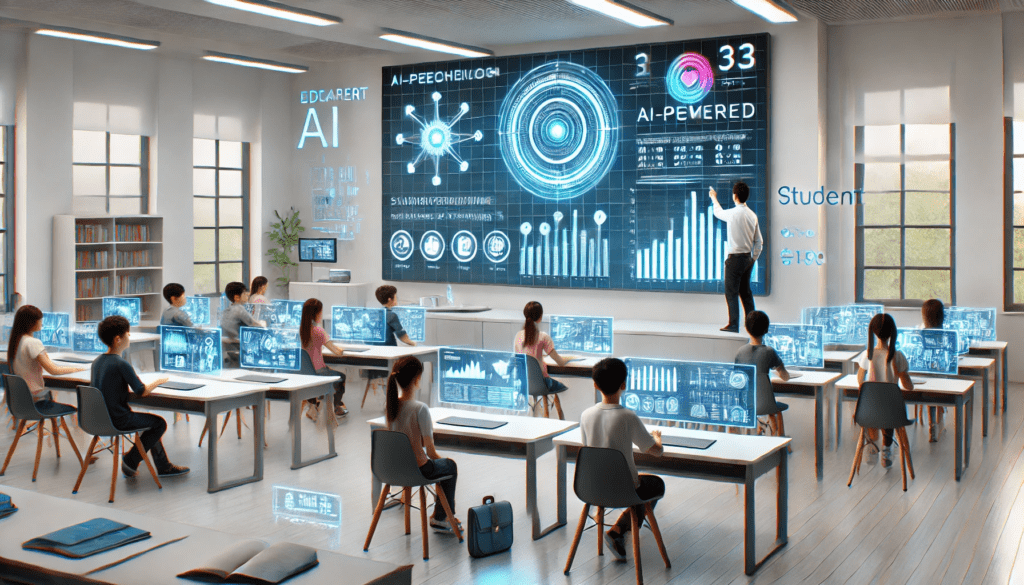
Artificial intelligence is reshaping the landscape of STEM education by enabling more interactive and adaptive learning experiences. Unlike static digital resources, AI-driven simulations can respond to individual student inputs, adjust the difficulty of tasks, and provide tailored feedback. This adaptability is especially helpful for students who learn at different paces or have unique learning needs.
For instance, in a virtual physics lab, learners can manipulate variables such as mass, velocity, or friction and instantly see the results. The simulation might offer hints or explanations if a student struggles, ensuring that no one is left behind. These features make complex concepts more approachable and foster a deeper understanding of scientific principles.
Key Benefits of AI-Driven Simulations in STEM
The use of AI simulations for STEM learning brings several notable advantages to both students and educators:
- Personalized learning paths: AI can analyze a student’s performance and adapt the simulation to address knowledge gaps or accelerate progress where appropriate.
- Safe experimentation: Virtual environments allow students to explore scenarios that would be dangerous, expensive, or impossible in real life, such as chemical reactions or engineering failures.
- Immediate feedback: Learners receive instant responses to their actions, helping them understand mistakes and reinforcing correct approaches.
- Scalable access: Digital simulations can be accessed by large numbers of students simultaneously, making high-quality STEM education more widely available.
- Engagement and motivation: Interactive elements and gamified features can make learning more enjoyable, increasing student motivation and retention.
Examples of AI Simulations in STEM Classrooms
AI-powered simulations are already being used in a variety of educational settings. Some notable examples include:
- Virtual chemistry labs: Students can mix chemicals and observe reactions without physical risks, learning about molecular interactions and safety protocols.
- Physics engines: Interactive models allow students to experiment with forces, motion, and energy, visualizing results in real time.
- Mathematics problem solvers: AI-based platforms adapt to each learner’s skill level, offering hints and explanations tailored to their needs.
- Engineering design tools: Learners can build and test virtual prototypes, analyze structural integrity, and optimize designs using AI feedback.
- Biology simulations: Students explore cell functions, genetics, or ecological systems through interactive models that adjust complexity based on user input.
Challenges and Considerations in Implementing AI Simulations
While the benefits are significant, there are also challenges to consider when integrating AI-based simulations into STEM curricula. These include:
- Access and equity: Not all students have the same access to technology or reliable internet, which can create disparities in learning opportunities.
- Teacher training: Educators need support and professional development to effectively use AI tools and interpret the data they generate.
- Cost and infrastructure: Implementing advanced simulations may require investment in hardware, software, and ongoing technical support.
- Data privacy: AI systems often collect and analyze student data, raising concerns about privacy and security that must be addressed.
- Alignment with curriculum: Simulations should be carefully selected to ensure they support learning objectives and complement existing teaching methods.
For a deeper dive into the technical and ethical aspects of AI in education, the ScienceDirect review on AI-driven educational simulations provides a comprehensive overview of current research and future directions.
Future Directions for AI in STEM Education
The field is evolving rapidly, with new developments on the horizon. Advances in natural language processing, computer vision, and adaptive learning algorithms are making simulations more realistic and responsive. In the near future, we can expect:
- Greater personalization: AI will continue to refine its ability to tailor content and feedback to each learner’s unique needs and interests.
- Integration with emerging technologies: Virtual reality (VR), augmented reality (AR), and Internet of Things (IoT) devices will further enhance the interactivity and realism of STEM simulations.
- Collaborative learning: AI-driven platforms will facilitate teamwork and peer-to-peer learning, allowing students to solve problems together in virtual environments.
- Expanded assessment capabilities: Intelligent systems will provide more nuanced insights into student progress, helping educators identify strengths and areas for improvement.
As these tools become more sophisticated, they will play an increasingly important role in preparing students for careers in science, technology, engineering, and mathematics. They also have potential applications in adjacent fields, such as defense and aerospace, where AI is used for simulation, anomaly detection, and decision support. Readers interested in these cross-disciplinary applications may want to learn about the impact of AI on interceptor hit-to-kill probability for further insight.
Frequently Asked Questions
What are the main benefits of using AI-powered simulations in STEM education?
AI-driven simulations offer personalized learning, immediate feedback, and safe environments for experimentation. They make complex concepts more accessible and engaging, help students learn at their own pace, and provide scalable access to high-quality educational resources.
Are there any challenges to adopting AI simulations in the classroom?
Yes, challenges include ensuring equitable access to technology, providing adequate teacher training, addressing data privacy concerns, and aligning simulations with curriculum goals. Overcoming these barriers requires thoughtful planning and investment.
How do AI simulations compare to traditional hands-on labs?
While traditional labs offer valuable tactile experiences, AI-based simulations provide flexibility, safety, and the ability to model scenarios that may not be feasible in a physical setting. Ideally, both approaches are used together to maximize learning outcomes.