
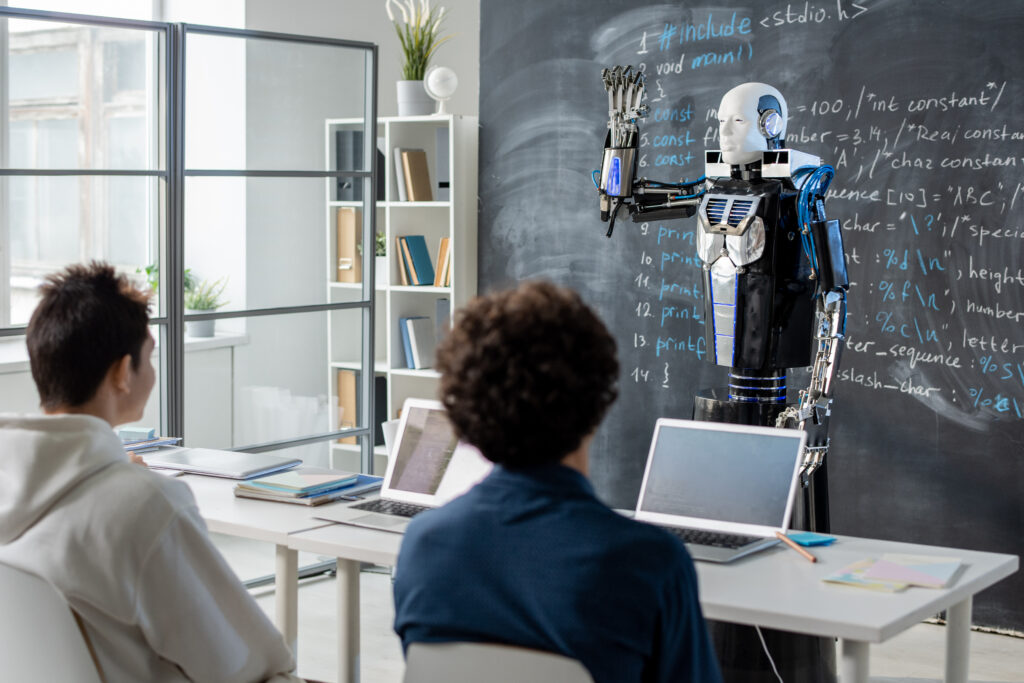
The integration of AI and IoT in STEM learning is transforming how students and educators approach science, technology, engineering, and mathematics. These technologies are making classrooms more interactive, data-driven, and relevant to the real world. As schools and educational institutions adopt these innovations, learners gain hands-on experience with tools that are shaping the future workforce.
Understanding how artificial intelligence and the Internet of Things work together in education is crucial for teachers, school leaders, and parents. These advancements not only enhance engagement but also help develop critical thinking, problem-solving, and digital literacy skills. For those interested in the infrastructure supporting this shift, our detailed overview of AI infrastructure for STEM schools provides further insights.
Understanding Artificial Intelligence and the Internet of Things
Artificial intelligence (AI) refers to computer systems that can perform tasks typically requiring human intelligence, such as recognizing patterns, making decisions, or solving problems. The Internet of Things (IoT) consists of interconnected devices that collect and share data, often through sensors and cloud-based platforms.
When combined, these technologies create smart environments where data is gathered, analyzed, and used to automate or personalize experiences. In the context of STEM education, this means classrooms equipped with sensors, robotics kits, and AI-powered software that adapt to each learner’s needs.
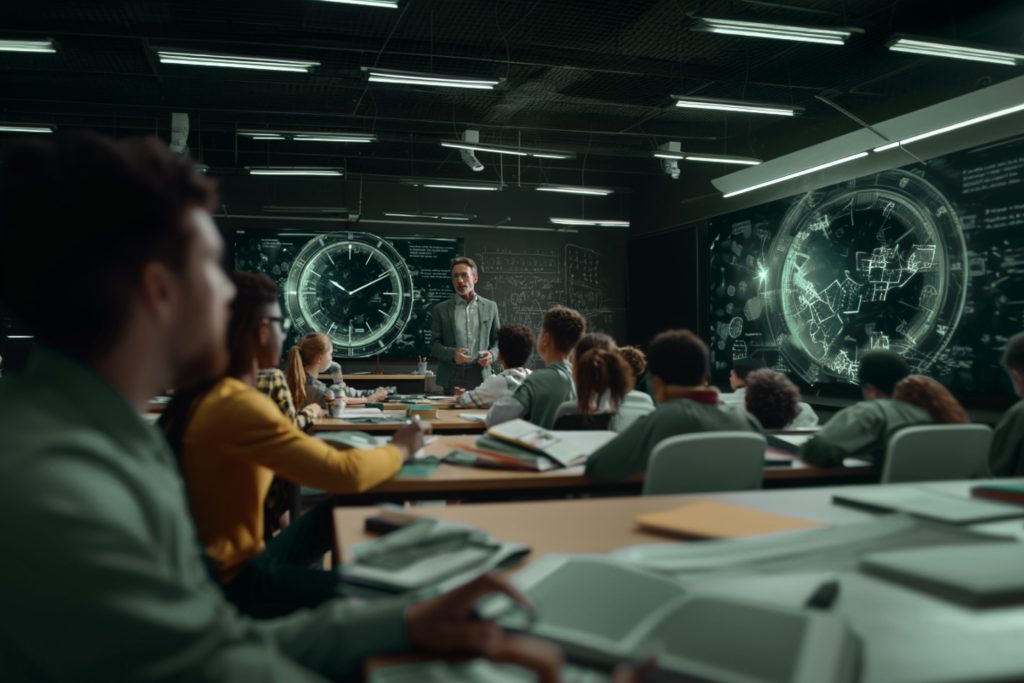
How AI and IoT Are Shaping STEM Classrooms
The adoption of AI and IoT in STEM learning is leading to significant changes in classroom dynamics and teaching strategies. Here are some key ways these technologies are making an impact:
- Personalized learning: AI-powered platforms can assess a student’s strengths and weaknesses, then tailor content and feedback accordingly. This helps learners progress at their own pace and receive targeted support.
- Real-time data collection: IoT devices such as sensors, smart boards, and connected lab equipment collect data during experiments or activities. Teachers can use this information to monitor progress, identify trends, and adjust instruction.
- Hands-on experimentation: Robotics kits and programmable devices allow students to apply theoretical concepts in practical ways. This bridges the gap between classroom learning and real-world applications.
- Collaboration and problem-solving: Many AI and IoT tools encourage teamwork, as students work together to design, build, and troubleshoot projects.
Benefits of Integrating Advanced Technologies in STEM Education
Leveraging artificial intelligence and connected devices in STEM subjects offers a range of advantages for both students and educators:
- Enhanced engagement: Interactive tools and adaptive software keep students interested and motivated.
- Immediate feedback: AI-driven assessments provide instant insights, helping learners correct mistakes and deepen understanding.
- Preparation for future careers: Exposure to modern technologies equips students with skills that are in high demand across industries.
- Efficient classroom management: Automated attendance tracking, assignment grading, and progress monitoring free up time for teachers to focus on instruction.
For a closer look at how these innovations affect student outcomes, see our analysis on AI and learning outcomes in STEM.
Challenges and Considerations for Schools
While the benefits are clear, there are also challenges to implementing AI and IoT in STEM learning. Schools must address issues such as:
- Cost and infrastructure: Investing in new devices, software, and network upgrades can be expensive. Decision-makers should evaluate AI cost considerations in education before rolling out large-scale initiatives.
- Teacher training: Educators need professional development to effectively use these tools and integrate them into their lessons.
- Data privacy and security: With more devices collecting data, schools must ensure student information is protected and comply with relevant regulations.
- Equity and access: Not all students have the same access to technology at home or in school, which can widen achievement gaps if not addressed.
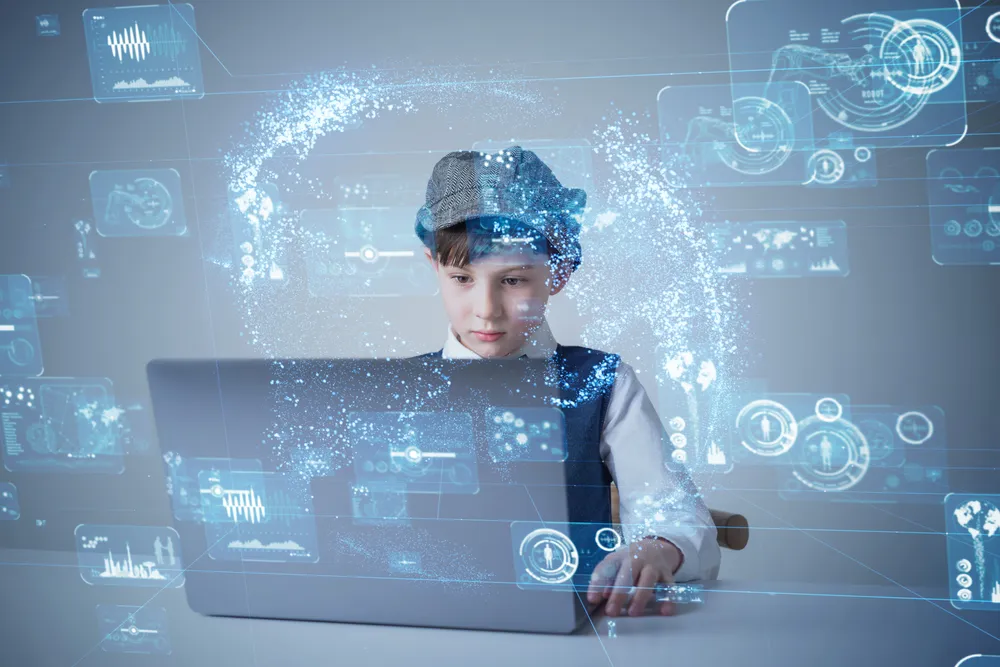
Examples of AI and IoT Applications in STEM Learning Environments
Schools and universities are already using a variety of smart tools to enrich STEM education. Some notable examples include:
- AI tutors and chatbots: These virtual assistants answer student questions, provide hints, and guide learners through complex topics.
- Smart science labs: IoT-enabled sensors monitor experiments, collect data, and visualize results in real time.
- Adaptive learning platforms: Software that adjusts difficulty and content based on individual performance, ensuring personalized instruction.
- Collaborative robotics projects: Students program and control robots to solve engineering challenges, fostering teamwork and creativity.
For more on how artificial intelligence is being used in classrooms, see this comprehensive overview of AI in education.
Best Practices for Schools Adopting AI and IoT Solutions
To maximize the benefits of these technologies, educational leaders and teachers should consider the following strategies:
- Start small and scale up: Pilot programs with a limited group of students or classes can help identify what works before expanding.
- Involve stakeholders: Engage teachers, students, parents, and IT staff in planning and decision-making.
- Provide ongoing training: Regular professional development ensures educators stay up to date with new tools and teaching methods.
- Monitor and evaluate: Collect feedback and data to assess the impact on learning outcomes and make adjustments as needed.
- Address misconceptions: Clear communication about what AI and IoT can and cannot do helps set realistic expectations. For more, read about AI misconceptions in education.
Frequently Asked Questions
How do AI and IoT technologies improve STEM education?
These technologies make learning more interactive, personalized, and relevant. AI adapts lessons to individual needs, while IoT devices provide real-time data and hands-on experiences, helping students grasp complex concepts more effectively.
What skills do students gain from using AI and IoT in STEM subjects?
Learners develop critical thinking, problem-solving, digital literacy, and collaboration skills. They also gain practical experience with technologies that are increasingly important in the modern workforce.
Are there challenges to implementing these technologies in schools?
Yes. Schools must consider costs, teacher training, data privacy, and ensuring equitable access for all students. Careful planning and ongoing support are essential for successful integration.