
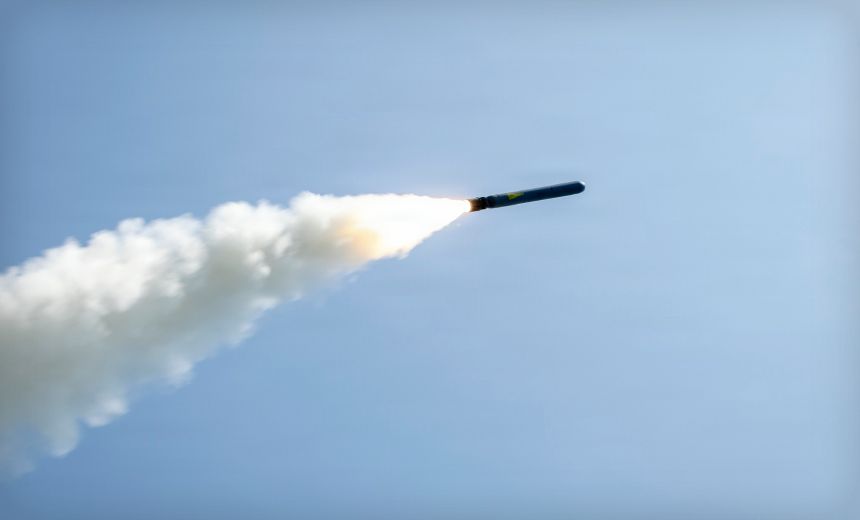
The rapid evolution of artificial intelligence is transforming the landscape of national security. As countries race to develop and deploy their own AI technologies, the concept of sovereign AI—AI systems developed, controlled, and maintained within national borders—has become a focal point in defense planning. The impact of sovereign AI on national defense strategies is profound, influencing everything from threat detection and decision-making to the autonomy of critical military systems.
Understanding how these advancements shape defense postures is crucial for policymakers, military leaders, and technology strategists. Sovereign AI not only strengthens operational independence but also addresses concerns about data privacy, supply chain security, and technological dominance. For those interested in how AI is already being applied in defense, exploring how ai identifies the type of fuel used in a missile launch offers insight into practical applications that are shaping the future battlefield.
Defining Sovereign AI in the Defense Context
Sovereign AI refers to artificial intelligence systems that are developed, trained, and operated within a nation’s own infrastructure, using domestic data and expertise. Unlike generic or outsourced AI solutions, sovereign AI is tailored to meet specific national security requirements and is insulated from foreign influence or interference. This approach ensures that sensitive military data remains under national control and that critical systems are not dependent on external vendors or potentially compromised supply chains.
In the context of defense, sovereign AI encompasses a broad range of applications, including intelligence analysis, autonomous vehicles, cyber defense, and command-and-control systems. By maintaining ownership over the entire AI lifecycle, nations can better safeguard their strategic interests and respond more flexibly to emerging threats.
Strategic Benefits of National AI Autonomy
The pursuit of sovereign AI brings several strategic advantages to national defense strategies:
- Operational Security: By developing and hosting AI systems domestically, countries reduce the risk of espionage, sabotage, or data leaks that could compromise military operations.
- Technological Independence: Sovereign AI minimizes reliance on foreign technology providers, ensuring that critical capabilities remain available even in times of geopolitical tension or conflict.
- Tailored Solutions: Nationally developed AI can be customized to address unique defense requirements, environmental conditions, and threat profiles.
- Regulatory Compliance: Domestic control over AI systems helps ensure compliance with national laws, ethical standards, and military doctrines.
How Sovereign AI Shapes Modern Military Capabilities
The integration of sovereign AI into defense systems is reshaping military capabilities in several key areas:
Enhanced Threat Detection and Response
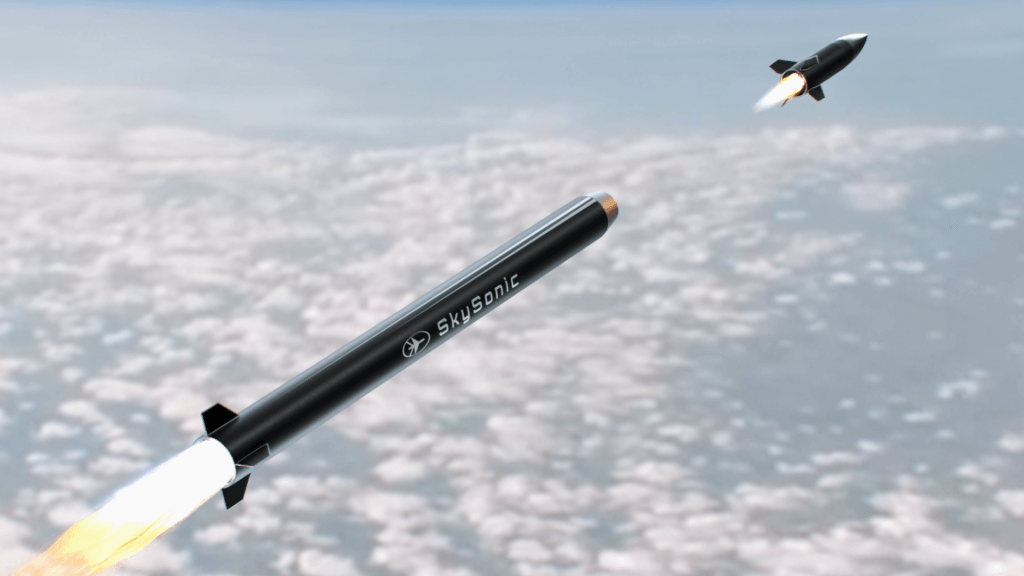
AI-powered surveillance and reconnaissance platforms can process vast amounts of sensor data in real time, identifying potential threats more quickly and accurately than human operators. By leveraging sovereign AI, nations ensure that sensitive data remains secure and that detection algorithms are optimized for their specific operational environments. This capability is especially relevant in missile defense, where rapid identification of launches and trajectories is critical. For more on this, see the impact of ai on interceptor hit-to-kill probability in modern defense systems.
Autonomous Systems and Force Multiplication
Sovereign AI enables the development of autonomous vehicles, drones, and robotic platforms that can operate with minimal human intervention. These systems act as force multipliers, extending the reach and effectiveness of military operations while reducing risk to personnel. By retaining full control over the AI algorithms and data, nations can ensure that autonomous systems act in accordance with national rules of engagement and ethical guidelines.
Resilient Cyber Defense
Cybersecurity is a critical domain where sovereign AI offers significant advantages. AI-driven cyber defense systems can detect, analyze, and respond to cyber threats at machine speed, adapting to new attack vectors in real time. By keeping these systems within national infrastructure, countries can better protect sensitive defense networks from foreign intrusion and manipulation.
Challenges and Risks in Adopting Sovereign AI
While the impact of sovereign AI on national defense strategies is largely positive, several challenges must be addressed:
- Resource Requirements: Developing advanced AI capabilities domestically demands significant investment in talent, infrastructure, and research. Not all countries have the resources to compete at the highest level.
- Interoperability: As nations pursue unique AI solutions, ensuring interoperability with allies’ systems can become more complex, potentially hindering coalition operations.
- Ethical and Legal Considerations: The use of AI in defense raises questions about accountability, transparency, and compliance with international law, especially in autonomous weapon systems.
- Technological Obsolescence: The rapid pace of AI innovation means that sovereign systems must be continuously updated to remain effective against evolving threats.
Global Competition and the AI Arms Race
The move toward sovereign AI is intensifying global competition in defense technology. Major powers are investing heavily in AI research, seeking to gain strategic advantages through superior automation, decision support, and operational efficiency. This dynamic is fueling an AI arms race, where the ability to innovate and deploy advanced systems can determine military superiority.
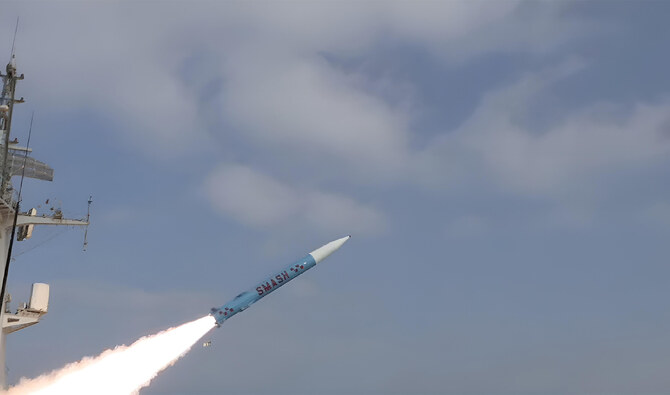
For example, missile defense is one area where AI is dramatically changing the balance of power. According to recent developments in missile technology during the AI era, nations are leveraging AI to improve targeting, interception, and countermeasure capabilities. The push for sovereign solutions ensures that these advancements remain under national control, reducing vulnerabilities to foreign interference.
Integration with Existing Defense Systems
Successfully deploying sovereign AI requires seamless integration with legacy defense infrastructure. This involves upgrading data networks, retraining personnel, and ensuring that new AI-driven systems can communicate and coordinate with existing platforms. The transition must be carefully managed to avoid operational disruptions and to maximize the benefits of AI-enhanced capabilities.
AI is also being used to detect subtle anomalies in sensor telemetry, a critical function for early warning and system health monitoring. For more on this application, see how how ai detects subtle anomalies in sensor telemetry is shaping modern defense operations.
Future Outlook: Evolving Strategies and Collaboration
Looking ahead, the role of sovereign AI in defense will only grow in importance. Nations will need to balance the benefits of autonomy with the need for international collaboration, especially in areas like intelligence sharing, joint operations, and arms control. Establishing common standards and protocols will be essential for maintaining interoperability and reducing the risk of unintended escalation.
At the same time, ethical considerations and public trust will play a larger role in shaping the development and deployment of AI in military contexts. Transparent governance, robust oversight, and adherence to international norms will be critical for ensuring that AI serves the interests of national and global security.
FAQ: Sovereign AI and Defense Strategies
What is the main advantage of sovereign AI for national defense?
The primary benefit is enhanced control over critical technologies and sensitive data. By developing AI systems domestically, nations reduce reliance on foreign vendors, safeguard operational security, and can tailor solutions to their unique defense needs.
How does sovereign AI affect interoperability with allied forces?
While sovereign AI increases national autonomy, it can create challenges in ensuring that systems from different countries work seamlessly together. To address this, nations often develop shared standards and protocols for joint operations and information sharing.
Are there risks associated with adopting sovereign AI in defense?
Yes, challenges include high resource requirements, potential difficulties in keeping pace with rapid technological change, and the need to address ethical and legal concerns—especially regarding autonomous weapons and decision-making systems.