
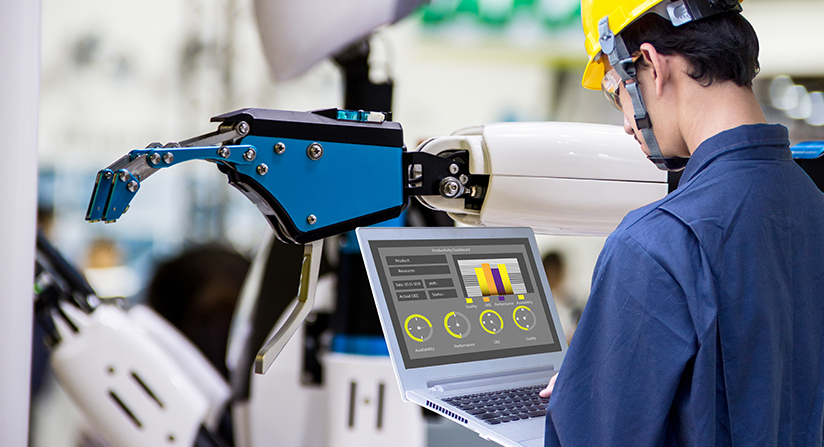
The manufacturing sector is undergoing a rapid transformation as artificial intelligence (AI) becomes increasingly integrated into daily operations. One of the most significant advancements is the use of AI to enhance traceability throughout production lines. By leveraging machine learning, data analytics, and automation, manufacturers can now track materials, monitor processes, and ensure product quality with unprecedented accuracy and speed.
As supply chains grow more complex and regulatory demands intensify, robust traceability systems are no longer optional—they are essential. AI-driven solutions provide manufacturers with the tools to meet these challenges, offering real-time visibility, predictive insights, and automated compliance reporting. This article explores the many ways AI is reshaping traceability, improving efficiency, and reducing risk across the manufacturing landscape.
For those interested in related applications, you may also want to read about how ai identifies the type of fuel used in a missile launch, which demonstrates the versatility of AI in tracking and analysis across industries.
AI-Driven Traceability: Key Concepts and Benefits
At its core, AI-powered traceability refers to the use of intelligent algorithms and data systems to monitor, record, and analyze every stage of the manufacturing process. This approach surpasses traditional manual tracking by automating data capture and providing actionable insights in real time. Here are some of the main advantages:
- Enhanced Visibility: AI systems can track raw materials, components, and finished goods from origin to delivery, ensuring transparency at every step.
- Real-Time Monitoring: Automated sensors and IoT devices feed data into AI platforms, enabling instant detection of deviations or quality issues.
- Predictive Analytics: Machine learning models can forecast potential disruptions, equipment failures, or supply shortages before they occur.
- Regulatory Compliance: Automated documentation and reporting simplify adherence to industry standards and government regulations.
- Cost Reduction: By minimizing errors and optimizing workflows, AI-driven traceability helps lower operational costs.
How AI Enhances Data Collection and Integration
One of the most significant challenges in manufacturing is the sheer volume and variety of data generated across production lines. AI excels at integrating disparate data sources—such as sensors, RFID tags, barcode scanners, and enterprise resource planning (ERP) systems—into a unified platform. This consolidation enables manufacturers to:
- Automate the capture of process and product data without manual intervention
- Correlate information from multiple stages of production for end-to-end traceability
- Identify patterns and anomalies that may indicate quality or compliance issues
- Generate comprehensive audit trails for every batch, lot, or serial number
By leveraging these capabilities, organizations can quickly trace the source of defects or recalls, streamline root-cause analysis, and respond to customer inquiries with confidence.
Machine Learning for Quality Control and Process Optimization
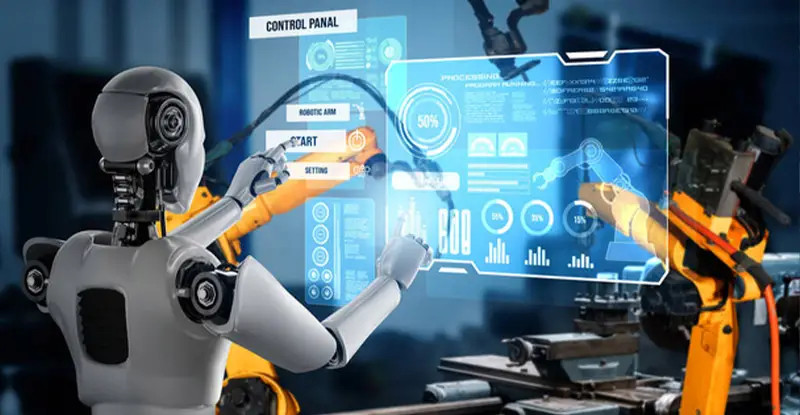
Quality assurance is a cornerstone of modern manufacturing. AI, particularly machine learning, plays a pivotal role in identifying defects, predicting failures, and optimizing production parameters. By analyzing historical and real-time data, AI models can:
- Detect subtle anomalies in sensor telemetry that may indicate process drift or equipment wear
- Recommend adjustments to maintain product consistency and reduce waste
- Automate visual inspections using computer vision to spot defects invisible to the human eye
- Continuously learn from new data to improve accuracy and responsiveness
These capabilities not only improve product quality but also enhance traceability by linking every inspection and adjustment to a digital record. For more on AI’s role in detecting anomalies, see how ai detects subtle anomalies in sensor telemetry.
Supply Chain Transparency and Risk Management
Traceability extends beyond the factory floor to encompass the entire supply chain. AI-driven platforms can map supplier networks, monitor shipments, and assess risks in real time. This level of transparency is crucial for:
- Ensuring ethical sourcing and compliance with environmental standards
- Responding quickly to disruptions, such as material shortages or logistics delays
- Enabling rapid recalls or targeted notifications in the event of a quality issue
- Building trust with customers and regulatory bodies through verifiable data
Manufacturers that embrace AI for supply chain traceability gain a competitive edge by reducing vulnerabilities and improving responsiveness to market changes.
Compliance, Reporting, and Regulatory Advantages
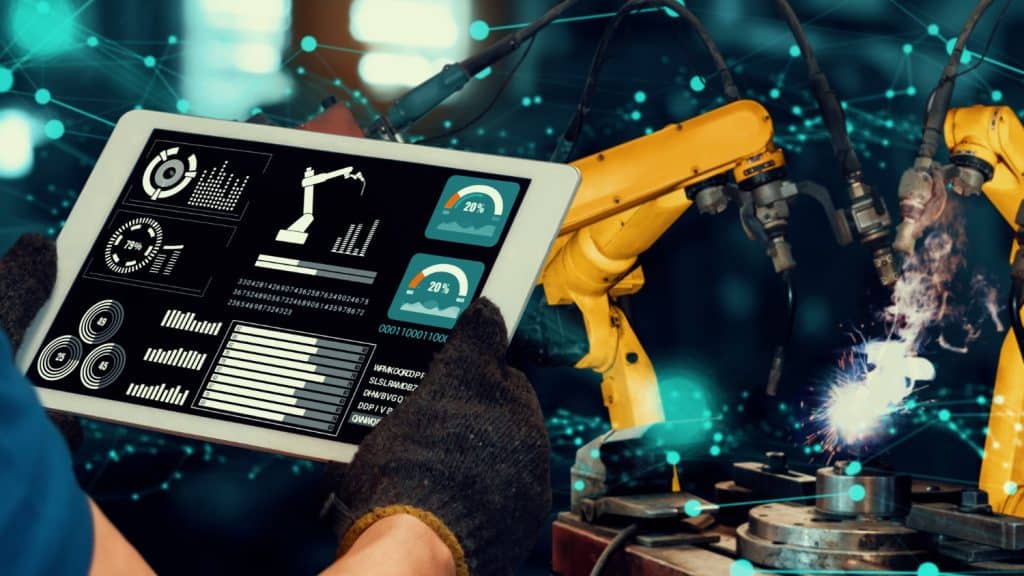
Meeting regulatory requirements is a major concern for manufacturers, especially in industries such as food, pharmaceuticals, and aerospace. AI-powered traceability systems simplify compliance by:
- Automatically generating audit-ready reports for every production run
- Maintaining secure, immutable records for inspections and certifications
- Flagging potential compliance risks before they escalate
- Facilitating rapid responses to regulatory inquiries or recalls
These features help organizations avoid costly penalties, protect their reputation, and maintain uninterrupted operations.
Integrating AI with Existing Manufacturing Systems
Many manufacturers are concerned about the complexity of introducing AI into established processes. Fortunately, modern AI solutions are designed for compatibility and scalability. They can be integrated with legacy ERP, MES, and SCADA systems, minimizing disruption and maximizing return on investment. Key integration strategies include:
- Using APIs and middleware to connect AI platforms with existing databases and control systems
- Implementing pilot projects to demonstrate value before scaling up
- Training staff to interpret AI-generated insights and act on recommendations
- Continuously updating AI models as new data becomes available
This approach ensures a smooth transition and allows manufacturers to realize the benefits of AI-enhanced traceability without overhauling their entire infrastructure.
Future Trends: AI and the Evolution of Manufacturing Traceability
The future of traceability in manufacturing is closely tied to advances in AI and related technologies. As machine learning algorithms become more sophisticated and data collection becomes more granular, manufacturers can expect even greater levels of transparency, efficiency, and control. Some emerging trends include:
- Integration of blockchain for immutable traceability records
- Greater use of computer vision for automated quality checks
- Predictive maintenance powered by AI-driven analytics
- Expansion of digital twins for real-time process simulation and optimization
For a broader perspective on how AI is transforming industrial operations, see this in-depth look at AI’s impact on manufacturing and industrial IoT.
Frequently Asked Questions
What are the main benefits of using AI for traceability in manufacturing?
AI enhances traceability by automating data collection, improving real-time monitoring, and providing predictive insights. This leads to better quality control, faster root-cause analysis, reduced compliance risks, and more efficient supply chain management.
How does AI help with regulatory compliance in manufacturing?
AI systems can automatically generate detailed audit trails, flag compliance issues, and produce reports required by regulators. This streamlines inspections and helps manufacturers avoid penalties or recalls.
Is it difficult to integrate AI-based traceability solutions with existing systems?
Modern AI platforms are designed to work with legacy manufacturing systems through APIs and middleware. Pilot projects and phased rollouts can help organizations adopt AI without major disruptions.
Can AI detect quality issues that humans might miss?
Yes, AI—especially when combined with computer vision and sensor data—can identify subtle defects or process deviations that may be overlooked during manual inspections, leading to higher product quality and fewer recalls.
Conclusion
The integration of AI into traceability systems is revolutionizing manufacturing by providing real-time visibility, predictive analytics, and automated compliance. As the industry continues to evolve, those who embrace these technologies will be better positioned to meet regulatory demands, enhance product quality, and maintain a competitive edge. By understanding and implementing AI-driven traceability, manufacturers can ensure transparency, efficiency, and resilience in an increasingly complex global market.