
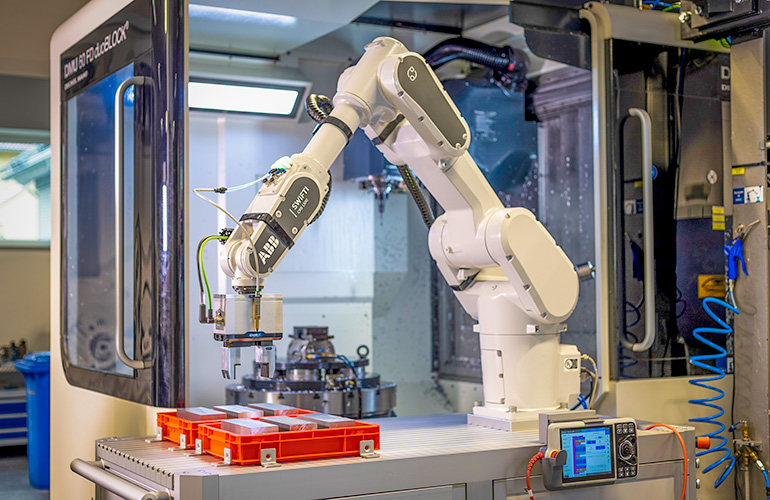
The manufacturing sector is undergoing a significant transformation as companies seek to reduce their environmental impact and embrace sustainable production. Artificial intelligence is at the forefront of this shift, offering powerful tools to optimize resource use, minimize waste, and support eco-friendly initiatives. By integrating intelligent systems into production lines, organizations can achieve both operational efficiency and environmental responsibility.
As industries look for ways to balance productivity with sustainability, understanding how AI supports green manufacturing becomes increasingly important. From predictive maintenance to energy management, intelligent algorithms are enabling manufacturers to make smarter, greener decisions. For those interested in related applications of artificial intelligence, exploring topics like how AI identifies the type of fuel used in a missile launch can provide further insights into the versatility of these technologies.
AI-Driven Efficiency in Sustainable Manufacturing
One of the most impactful ways artificial intelligence contributes to sustainable production is by increasing operational efficiency. Intelligent systems analyze vast amounts of data from sensors, machines, and supply chains to identify inefficiencies and recommend improvements. This data-driven approach allows manufacturers to reduce energy consumption, lower emissions, and cut down on raw material waste.
For example, AI-powered predictive analytics can forecast equipment failures before they occur, enabling timely maintenance and reducing unplanned downtime. This not only extends the lifespan of machinery but also prevents excessive energy use and material loss associated with breakdowns. Additionally, machine learning algorithms can optimize production schedules to align with periods of lower energy demand, further minimizing the carbon footprint.
Resource Optimization and Waste Reduction
Another critical aspect of how AI supports green manufacturing is through resource optimization. By continuously monitoring production processes, AI can detect patterns that lead to excess material usage or unnecessary waste. Intelligent systems can then suggest adjustments to machine settings, process flows, or raw material inputs to maximize efficiency.
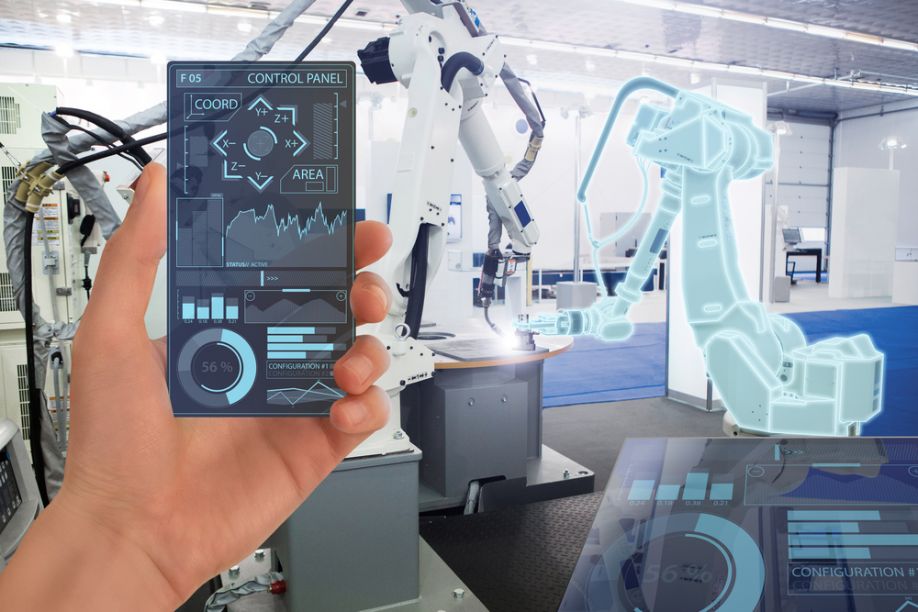
Waste reduction is further enhanced by AI’s ability to monitor quality in real time. Vision systems powered by machine learning can identify defects or deviations during production, allowing for immediate corrections. This proactive approach minimizes the number of defective products, reducing the need for rework or disposal and conserving valuable resources.
Energy Management and Emissions Control
Managing energy consumption is a cornerstone of environmentally responsible manufacturing. AI solutions are increasingly used to monitor and control energy use across factories and supply chains. By analyzing historical and real-time data, these systems can identify energy-intensive processes and suggest strategies for improvement.
For instance, AI can automate the adjustment of heating, cooling, and lighting systems based on occupancy, production schedules, or weather conditions. This level of control leads to significant reductions in energy waste and greenhouse gas emissions. Manufacturers can also use AI to track their progress toward sustainability goals, ensuring compliance with environmental regulations and industry standards.
Supply Chain Sustainability and Circular Economy Initiatives
The benefits of artificial intelligence extend beyond the factory floor. Intelligent platforms are transforming supply chains by improving transparency, traceability, and collaboration among partners. AI-powered tools can track the origin and lifecycle of materials, ensuring that sourcing and logistics align with environmental best practices.
By supporting circular economy models, AI enables manufacturers to design products for reuse, recycling, or remanufacturing. Algorithms can help identify opportunities to recover valuable materials from end-of-life products, reducing the demand for virgin resources and minimizing landfill waste. These efforts contribute to a more sustainable and resilient manufacturing ecosystem.
Real-World Applications and Industry Examples
Numerous companies are already leveraging artificial intelligence to advance their sustainability agendas. For example, leading automotive manufacturers use AI to optimize paint application, reducing overspray and solvent emissions. Electronics producers deploy machine learning to monitor energy use and automate shutdowns during periods of inactivity.
According to research on AI in manufacturing, intelligent systems are also being used to improve water management, reduce hazardous waste, and streamline logistics for lower emissions. These real-world applications demonstrate the versatility and effectiveness of AI in supporting green initiatives across diverse sectors.

Challenges and Considerations for AI-Driven Sustainability
While the advantages of AI in promoting eco-friendly manufacturing are clear, there are also challenges to consider. The integration of intelligent systems requires investment in technology, staff training, and data infrastructure. Ensuring data quality and cybersecurity is essential to maintain the reliability and safety of AI-driven operations.
Additionally, organizations must address the environmental impact of deploying new digital infrastructure, such as increased energy use for data centers. Balancing these factors is crucial for realizing the full potential of AI in sustainable manufacturing.
Looking Ahead: The Future of Intelligent Green Manufacturing
The role of artificial intelligence in advancing eco-friendly production will continue to grow as technologies mature and become more accessible. Future developments may include greater integration of AI with Internet of Things (IoT) devices, enabling even more granular control over resource use and emissions. Collaborative robots, or cobots, will likely play a larger role in automating repetitive tasks while minimizing waste.
As manufacturers strive to meet stricter environmental standards and consumer expectations, leveraging AI will be essential for achieving long-term sustainability. By embracing these innovations, companies can create value for their business, customers, and the planet.
Frequently Asked Questions
How does AI help reduce waste in manufacturing?
Artificial intelligence reduces waste by monitoring production processes in real time, identifying inefficiencies, and suggesting adjustments. Machine learning algorithms can detect defects early, optimize resource use, and automate quality control, all of which contribute to less material waste and fewer defective products.
Can AI improve energy efficiency in factories?
Yes, AI can significantly improve energy efficiency by analyzing data from equipment and facilities to optimize energy use. Intelligent systems can automate the control of heating, cooling, and lighting, schedule energy-intensive processes during off-peak hours, and recommend ways to reduce overall consumption.
What are some challenges of implementing AI for sustainability?
Challenges include the need for investment in technology and training, ensuring high-quality data, maintaining cybersecurity, and managing the environmental impact of digital infrastructure. Overcoming these obstacles is essential for maximizing the benefits of AI in sustainable manufacturing.