
The rapid evolution of artificial intelligence has transformed the way military strategists and defense organizations approach missile threat analysis. Today, how AI models simulate missile attack scenarios is a critical area of research and application, enabling faster, more accurate predictions and responses to complex threats. By leveraging deep learning, sensor fusion, and predictive analytics, these advanced systems can replicate and analyze countless attack patterns, offering unprecedented insights for both defense planning and real-time operations.
Understanding the mechanics behind these simulations is essential for anyone interested in modern defense technology. This article explores the core technologies, methodologies, and practical implications of using AI for missile scenario modeling. For those interested in related advancements, our overview on AI-driven sensor fusion for air defense provides additional context on how integrated data streams enhance threat detection and response.
AI-Powered Simulation: Core Concepts and Technologies
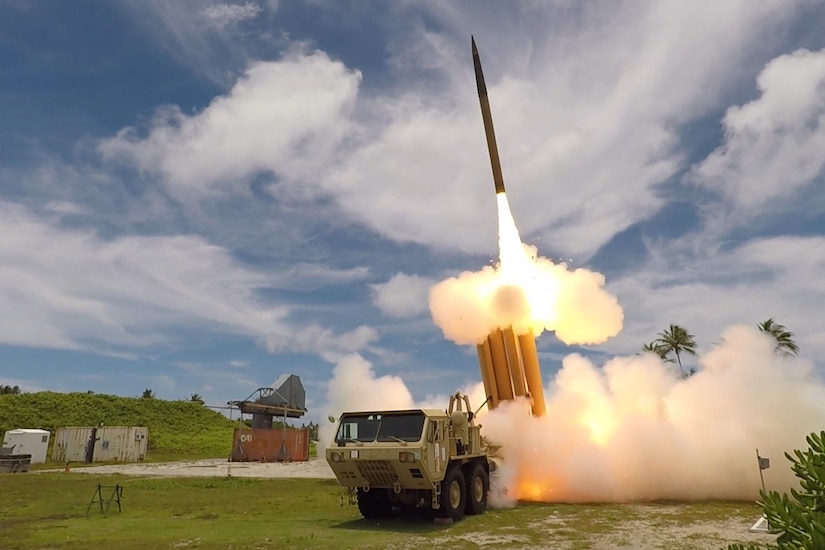
At the heart of how AI models simulate missile attack scenarios lies a combination of machine learning algorithms, neural networks, and high-fidelity digital environments. These systems are designed to process vast amounts of data from radar, satellite imagery, and other sensors, building a dynamic picture of the battlespace. By learning from historical data and real-time inputs, AI can identify patterns, predict trajectories, and even anticipate evasive maneuvers.
One of the key advantages of AI-powered simulations is their ability to run thousands of virtual scenarios in parallel. This allows defense analysts to test different strategies, assess vulnerabilities, and optimize countermeasures without the risks and costs associated with live-fire exercises.
Data Integration and Sensor Fusion in Missile Scenario Modeling
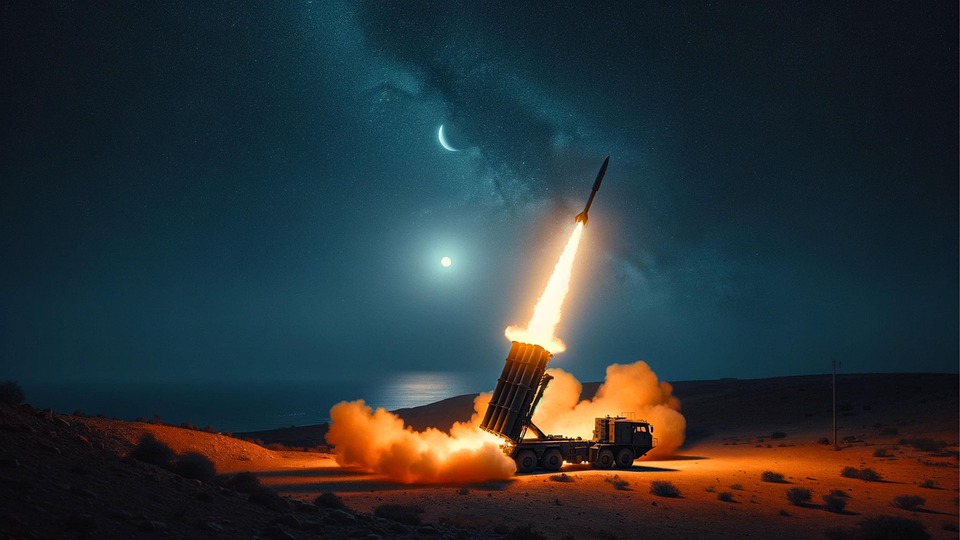
Effective simulation relies on integrating data from multiple sources. AI models ingest information from radar, infrared sensors, satellites, and even open-source intelligence. Through sophisticated sensor fusion techniques, these inputs are combined to form a coherent, real-time operational picture.
Sensor fusion not only improves accuracy but also enables the system to adapt to changing conditions. For example, if a missile changes course or deploys countermeasures, the AI can quickly update its predictions and recommend new responses. To learn more about these techniques, see our in-depth article on what is AI-driven sensor fusion for air defense.
Machine Learning Approaches for Threat Prediction
Modern missile simulations employ a range of machine learning approaches, from supervised learning (using labeled data to train models) to reinforcement learning (where AI agents learn optimal actions through trial and error). These methods allow the system to recognize subtle cues in sensor data, such as the launch signature of a ballistic missile or the flight profile of a cruise missile.
Neural networks, in particular, have proven highly effective in modeling the complex, nonlinear dynamics of missile flight. By training on large datasets of past launches and simulated attacks, these networks can predict likely impact points, flight paths, and potential evasive actions. For a deeper dive into this topic, our resource on how neural networks predict ballistic flight paths offers practical examples and technical insights.
Scenario Generation and Red Teaming with AI
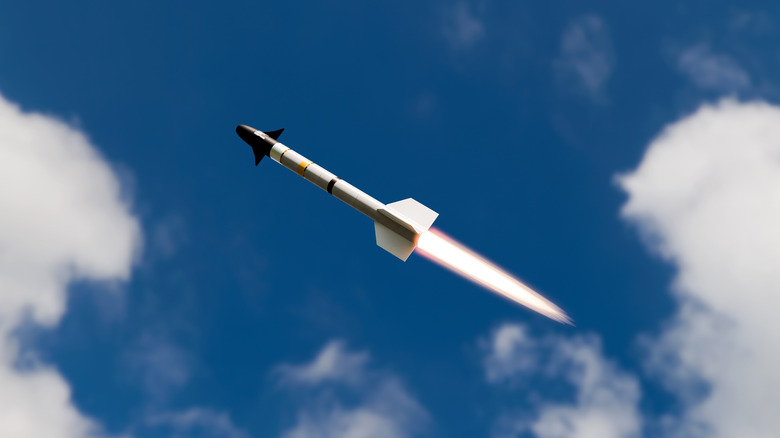
One of the most powerful aspects of using AI in missile defense is the ability to generate diverse, realistic scenarios. By simulating both offensive and defensive actions, AI enables “red teaming”—the process of challenging existing strategies by acting as an adversary. This helps defense planners identify weaknesses and develop more robust countermeasures.
For example, AI can simulate a saturation attack, where multiple missiles are launched simultaneously to overwhelm defenses. By analyzing the system’s response, analysts can refine algorithms, adjust sensor coverage, and improve overall resilience. For more on this, see our article on how AI manages saturation attacks and swarms.
Real-World Applications and Strategic Impact
The practical impact of AI-driven missile scenario modeling is already evident in modern defense systems. From early warning networks to automated command-and-control centers, these technologies enable faster, more informed decision-making. They also support training and wargaming, allowing military personnel to rehearse responses to a wide range of threats.
As highlighted in recent developments in missile technology during the AI era, the integration of artificial intelligence is reshaping both offensive and defensive capabilities. Nations are investing heavily in these tools to maintain a strategic edge and protect critical infrastructure.
Challenges and Future Directions in AI-Based Missile Simulations
Despite significant progress, several challenges remain. Ensuring the reliability and transparency of AI models is crucial, especially when lives and national security are at stake. Data quality, adversarial attacks on AI systems, and the need for human oversight are ongoing concerns.
Looking ahead, the next generation of simulations will likely incorporate even more advanced techniques, such as explainable AI and real-time adaptive learning. These innovations will further enhance the accuracy, speed, and trustworthiness of missile scenario modeling.
FAQ
How do AI models improve the accuracy of missile attack simulations?
AI models enhance accuracy by processing large volumes of sensor and historical data, identifying patterns, and adapting to new information in real time. Their ability to learn from past scenarios and adjust predictions dynamically leads to more reliable simulations and better-informed defense strategies.
What types of data are used in AI-driven missile scenario modeling?
These systems utilize data from radar, satellite imagery, infrared sensors, and open-source intelligence. By integrating and analyzing this diverse information, AI creates a comprehensive picture of the operational environment, improving both detection and response.
Can AI simulations help defend against complex attacks like swarms or saturation strikes?
Yes, AI-driven simulations are particularly valuable for modeling complex, multi-vector attacks such as swarms or saturation strikes. By running numerous scenarios and analyzing system responses, AI helps identify vulnerabilities and optimize defensive tactics to counter these sophisticated threats.
Where can I learn more about predictive analytics in defense?
For further reading on the role of advanced analytics in threat classification and response, visit our article on the role of predictive analytics in threat classification.