
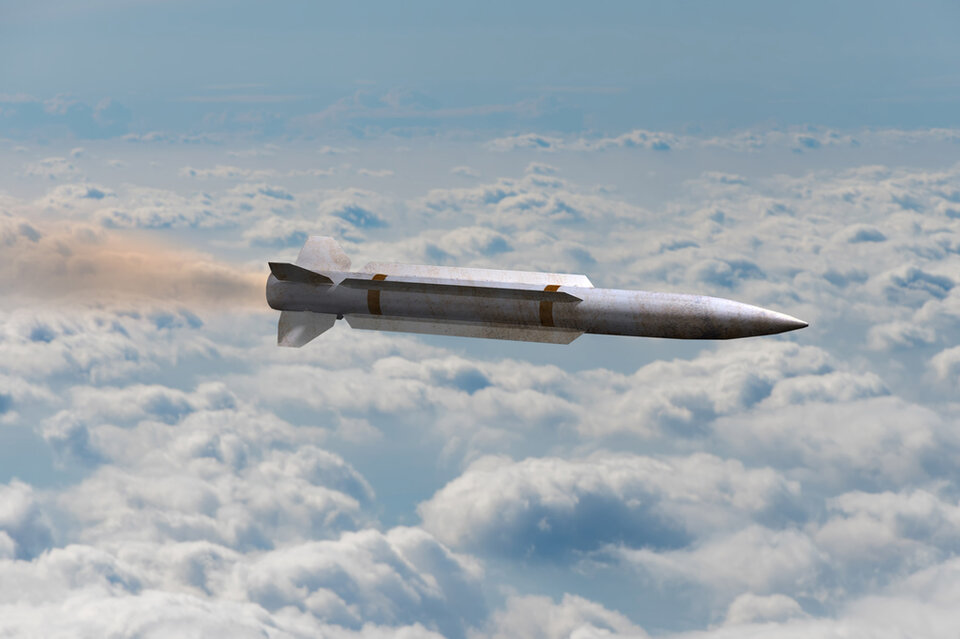
As modern threats evolve, defense systems face increasing challenges in detecting and tracking low-altitude cruise missiles. These weapons are designed to fly under radar coverage, using terrain and stealth to avoid traditional detection. Artificial intelligence has become a critical tool in overcoming these obstacles, enabling faster, more accurate identification and continuous tracking of such elusive targets. In this article, we’ll explore the core technologies, methodologies, and operational benefits of using AI to identify low-flying cruise missiles, and how these advancements are shaping the future of air defense.
For a deeper understanding of how machine learning supports air defense in other contexts, you may also be interested in how ai manages saturation attacks and swarms, which covers related AI-driven defense strategies.
Challenges in Detecting Low-Altitude Cruise Missiles
Cruise missiles are engineered to exploit gaps in conventional radar coverage. By flying at low altitudes, often just above treetops or water surfaces, they can remain hidden from ground-based sensors until the last moment. Their relatively small size, use of radar-absorbing materials, and unpredictable flight paths further complicate detection.
Traditional radar systems struggle with ground clutter—reflections from terrain, buildings, and vegetation—which can mask the presence of a missile. Additionally, the speed and maneuverability of these weapons leave little time for manual identification or response. This is where artificial intelligence steps in, providing advanced pattern recognition and real-time data analysis capabilities that far exceed human limitations.
Core AI Technologies for Missile Detection and Tracking
The integration of AI into air defense is transforming how threats are identified and managed. Several key technologies enable AI systems to detect and track low-flying cruise missiles effectively:
- Sensor Fusion: AI algorithms combine data from multiple sources—radar, infrared, acoustic, and satellite imagery—to build a comprehensive picture of the airspace. This process, known as sensor fusion, allows for the detection of subtle anomalies that might indicate a missile’s presence.
- Machine Learning Models: Deep learning networks are trained on vast datasets of known threats and environmental conditions. These models learn to distinguish between harmless objects (like birds or vehicles) and genuine missile signatures, even in cluttered environments.
- Real-Time Processing: AI systems can analyze incoming sensor data in milliseconds, flagging potential threats for immediate review or automated response. This speed is crucial for intercepting fast-moving targets.
- Predictive Analytics: By analyzing historical and real-time data, AI can predict likely flight paths and anticipate evasive maneuvers, improving interception rates.
For a comprehensive overview of how sensor fusion enhances air defense, see what is ai-driven sensor fusion for air defense.
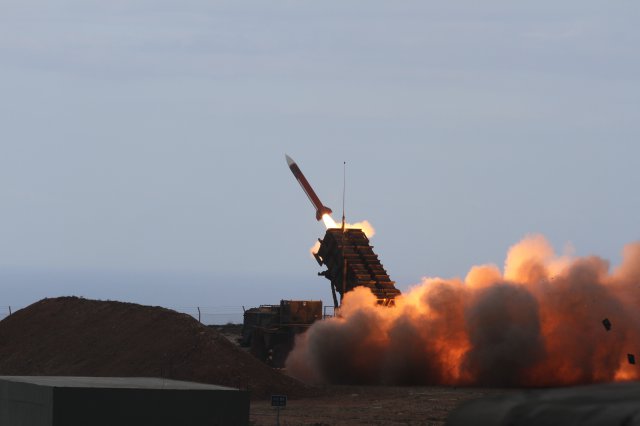
How AI Identifies Low-Flying Cruise Missiles in Complex Environments
The process of identifying low-altitude threats involves several steps, each enhanced by artificial intelligence:
- Data Collection: Sensors continuously scan the environment, capturing radar returns, heat signatures, and other relevant signals.
- Preprocessing and Filtering: AI algorithms filter out background noise and irrelevant data, isolating potential targets from ground clutter.
- Pattern Recognition: Deep learning models compare detected objects against known missile profiles, flagging those that match expected characteristics such as speed, trajectory, and radar cross-section.
- Continuous Tracking: Once a potential threat is identified, AI maintains a lock on the object, updating its position and predicting future movements even if it temporarily disappears from one sensor’s view.
- Threat Classification: The system assesses the likelihood that the detected object is a cruise missile versus a benign object, using contextual information and historical data.
These steps are performed in real time, allowing for rapid escalation to interception or countermeasure deployment if necessary. The accuracy and speed of AI-driven systems are essential for defending against low-flying cruise missiles, where every second counts.
Operational Benefits of AI-Driven Missile Tracking
The adoption of artificial intelligence in air defense brings several operational advantages:
- Reduced False Alarms: By accurately distinguishing between genuine threats and harmless objects, AI minimizes the number of false positives, reducing operator fatigue and unnecessary resource deployment.
- Faster Response Times: Automated threat identification and tracking enable near-instantaneous decision-making, critical for intercepting fast-moving targets.
- Improved Adaptability: AI systems can learn from new data, adapting to emerging threats and changing tactics without requiring manual reprogramming.
- Resource Optimization: By prioritizing credible threats, AI helps defense forces allocate interceptors and countermeasures more efficiently.
These benefits are especially important as adversaries develop new tactics to evade detection. AI’s ability to process vast amounts of data and learn from experience ensures that air defense systems remain effective against evolving threats.
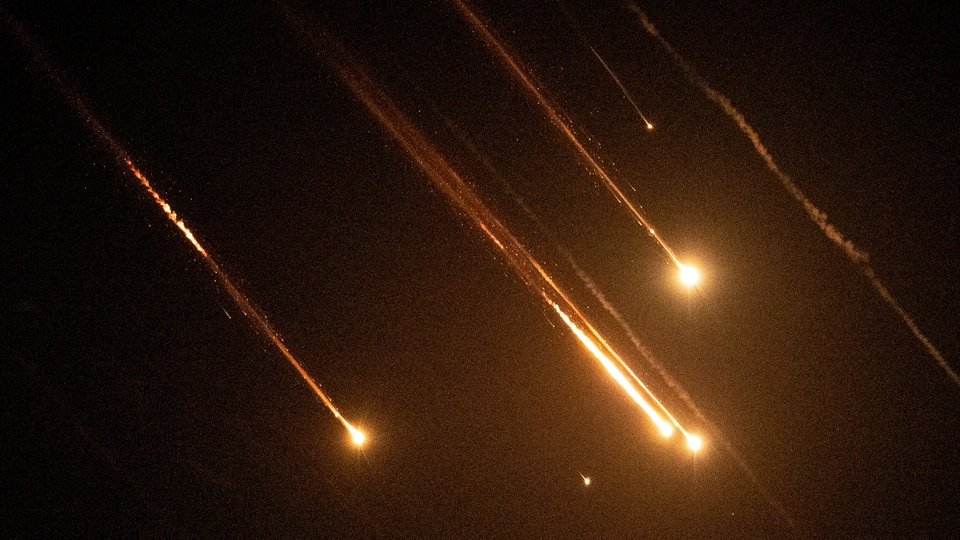
Integration with Broader Defense Networks
AI-powered detection is rarely isolated. Modern air defense networks integrate these systems with command centers, interceptor batteries, and allied platforms. Information about detected threats is shared in real time, enabling coordinated responses across multiple domains—land, sea, air, and even space.
This multi-domain approach is further enhanced by AI-driven targeting and decision-support systems. For more on this topic, see how AI-driven targeting systems are enhancing multi-domain operations.
The use of predictive analytics also plays a key role in this ecosystem. By forecasting likely attack vectors and timing, AI helps defense planners prepare and position resources more effectively. For further reading, role of predictive analytics in threat classification explores how these methods accelerate threat assessment and response.
Future Directions in AI-Based Missile Defense
As both offensive and defensive technologies advance, the role of AI in air defense will only grow. Future developments may include:
- Greater Autonomy: AI systems may take on more decision-making responsibilities, reducing the need for human intervention in time-critical scenarios.
- Enhanced Collaboration: Swarms of unmanned aerial vehicles (UAVs) and ground sensors, all coordinated by AI, could provide persistent, adaptive surveillance over wide areas.
- Continuous Learning: Ongoing improvements in machine learning will allow systems to adapt to new missile designs and tactics, maintaining effectiveness even as threats evolve.
These trends point toward a future where AI not only identifies and tracks low-flying cruise missiles but also orchestrates comprehensive, multi-layered defense strategies.
Frequently Asked Questions
How does AI distinguish between a low-flying cruise missile and other objects?
AI systems use a combination of sensor fusion, pattern recognition, and machine learning to analyze the characteristics of detected objects. By comparing speed, trajectory, radar signature, and other features against known missile profiles, AI can reliably differentiate between missiles and benign objects such as birds or civilian aircraft.
What role does real-time data processing play in missile defense?
Real-time data processing is essential for tracking fast-moving threats. AI algorithms process sensor inputs in milliseconds, enabling immediate identification, classification, and response. This rapid analysis is crucial for intercepting low-flying cruise missiles before they reach their targets.
Are there limitations to current AI-based detection systems?
While AI has greatly improved detection and tracking, challenges remain. Adversaries are constantly developing new stealth technologies and flight tactics to evade sensors. Additionally, AI systems require large, high-quality datasets for training and may struggle in environments with extreme clutter or novel threats. Ongoing research aims to address these limitations through continuous learning and improved sensor integration.