
As missile defense technology evolves, the demand for greater accuracy in intercepting high-speed threats has never been higher. How AI improves accuracy of kinetic kill vehicles is a topic at the forefront of modern defense discussions, as artificial intelligence is transforming how these interceptors track, target, and neutralize incoming projectiles. By integrating advanced algorithms and real-time data processing, AI is enabling kinetic kill vehicles (KKVs) to achieve unprecedented levels of precision in complex and rapidly changing environments.
This article explores the core mechanisms by which AI enhances the targeting and interception capabilities of KKVs, the benefits and challenges of these advancements, and the broader implications for missile defense strategies. For readers interested in related innovations, our detailed overview on AI-driven sensor fusion for air defense provides further context on how artificial intelligence is shaping the future of military technology.
Understanding Kinetic Kill Vehicles and Their Role in Missile Defense
Kinetic kill vehicles are interceptors designed to destroy incoming ballistic missiles or other projectiles by colliding with them at extremely high speeds. Unlike explosive warheads, KKVs rely solely on the force of impact—known as “hit-to-kill” technology—to neutralize threats. This approach demands exceptional accuracy, as even a slight deviation can result in a failed interception.
The effectiveness of a KKV depends on its ability to detect, track, and engage targets in real time, often under challenging conditions such as countermeasures, decoys, and unpredictable flight paths. Traditional guidance systems, while effective to a degree, face limitations when dealing with the speed and complexity of modern missile threats. This is where artificial intelligence is making a significant impact.
AI-Driven Target Recognition and Tracking
One of the most critical ways AI enhances the accuracy of kinetic kill vehicles is through advanced target recognition and tracking. Modern AI algorithms can process vast amounts of sensor data—including radar, infrared, and optical inputs—to distinguish genuine threats from decoys or clutter. By learning from previous engagements and simulations, these systems continuously improve their ability to identify and prioritize targets.
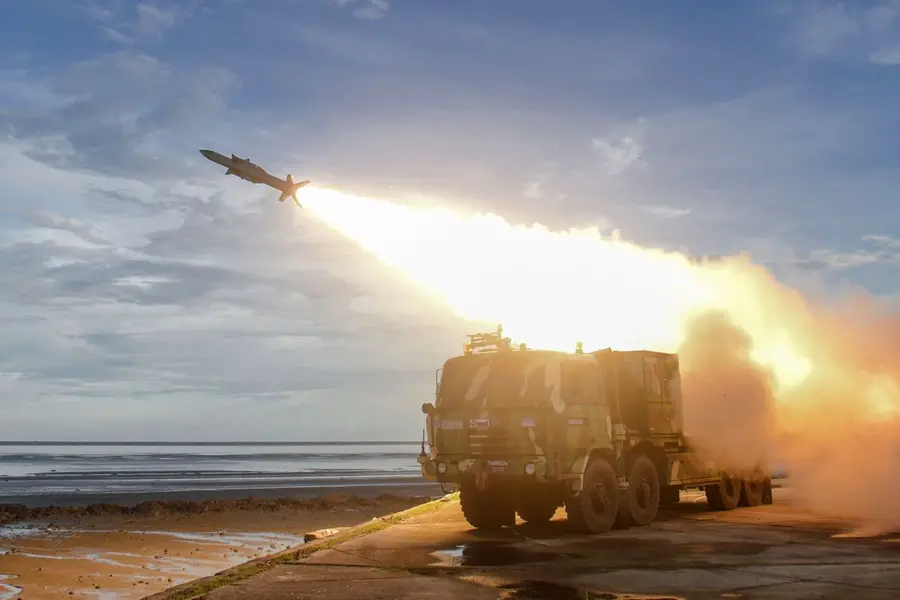
AI-powered tracking systems offer several advantages:
- Real-time adaptation: AI can quickly adjust to unexpected changes in target trajectory, improving the likelihood of a successful intercept.
- Multi-target engagement: Advanced algorithms enable KKVs to manage and prioritize multiple threats simultaneously, a crucial capability in scenarios involving saturation attacks or swarms.
- Reduced human error: By automating critical decision-making processes, AI minimizes the risk of mistakes during high-pressure engagements.
For a deeper dive into how neural networks predict complex flight paths, see our article on how neural networks predict ballistic flight paths.
Sensor Fusion and Data Integration for Enhanced Precision
Achieving pinpoint accuracy requires more than just fast processing—it demands the seamless integration of data from multiple sensors. AI excels at fusing sensor inputs, combining information from radar, infrared, and other sources to create a comprehensive picture of the battlespace. This fusion allows KKVs to make more informed decisions about when and where to intercept a target.
The benefits of AI-driven sensor fusion include:
- Improved situational awareness: By merging data streams, AI provides a clearer understanding of the threat environment.
- Faster response times: Integrated data enables quicker calculations and more accurate targeting solutions.
- Resilience to countermeasures: AI can identify and filter out false signals or decoys, ensuring the KKV remains focused on genuine threats.
These capabilities are especially important when defending against sophisticated missile systems that use evasive maneuvers or deploy multiple warheads. AI’s ability to process and interpret complex sensor data in real time is a game-changer for missile defense.
Machine Learning and Adaptive Guidance Systems
Another key factor in how AI improves accuracy of kinetic kill vehicles is the use of machine learning to adapt guidance systems on the fly. Traditional guidance relies on pre-programmed algorithms, which can struggle to cope with unexpected changes in a target’s behavior. Machine learning models, however, can analyze patterns in real time and adjust the KKV’s trajectory accordingly.
Adaptive guidance systems powered by AI can:
- Predict future target movements based on current and historical data.
- Continuously refine interception strategies as new information becomes available.
- Optimize fuel and maneuvering resources to maximize the probability of a successful hit.
These improvements not only boost the effectiveness of individual interceptors but also enhance the overall efficiency of missile defense networks.
Operational Benefits and Strategic Implications
The integration of artificial intelligence into KKV systems brings several operational advantages:
- Higher interception rates: AI-driven precision means more threats can be neutralized with fewer interceptors.
- Cost efficiency: Improved accuracy reduces the need for multiple launches, saving resources and minimizing collateral damage.
- Scalability: AI enables defense systems to handle large-scale attacks, including those involving complex drone swarms or multiple missile salvos.
For more on how AI is used to manage saturation attacks and swarms, refer to our guide on how AI manages saturation attacks and swarms.

On a strategic level, these advancements contribute to more robust deterrence and defense postures. By making it harder for adversaries to penetrate missile shields, AI-enhanced KKVs shift the balance in favor of defenders. This has important implications for national security and international stability.
For further reading on the intersection of AI and nuclear deterrence, the role of AI in enhancing left-of-launch operations offers valuable insights into how these technologies are influencing strategic calculations worldwide.
Challenges and Future Directions for AI in KKV Systems
While the benefits are clear, integrating AI into kinetic kill vehicles is not without challenges. Ensuring the reliability and security of AI algorithms is paramount, as adversaries may attempt to exploit vulnerabilities or introduce deceptive data. Rigorous testing, validation, and cybersecurity measures are essential to maintain trust in these systems.
Additionally, ethical considerations arise when automating life-and-death decisions. Maintaining human oversight and accountability remains a priority for defense organizations deploying AI-driven interceptors.
Looking ahead, continued advancements in machine learning, sensor technology, and data integration will further enhance the precision and effectiveness of KKVs. As AI systems become more sophisticated, they will play an even greater role in shaping the future of missile defense.
To understand how predictive analytics is accelerating threat classification in defense, see our article on the role of predictive analytics in threat classification.
Frequently Asked Questions
How does artificial intelligence help kinetic kill vehicles distinguish between real threats and decoys?
AI algorithms analyze data from multiple sensors to identify patterns and characteristics unique to genuine threats. By comparing real-time inputs with known signatures, AI can filter out decoys and focus interception efforts on actual targets, increasing the overall effectiveness of missile defense systems.
What role does machine learning play in improving KKV guidance systems?
Machine learning enables guidance systems to adapt to changing conditions by learning from previous engagements and simulations. This allows kinetic kill vehicles to adjust their trajectory in real time, improving the chances of a successful intercept even when targets maneuver unpredictably.
Are there risks associated with using AI in missile defense?
Yes, integrating AI introduces challenges such as ensuring algorithm reliability, protecting against cyber threats, and maintaining ethical oversight. Defense organizations must rigorously test AI systems and implement safeguards to prevent exploitation or unintended consequences.