
The integration of artificial intelligence into manufacturing has the potential to revolutionize production lines, optimize supply chains, and improve product quality. However, the journey toward a fully AI-enabled factory floor is not without its obstacles. Manufacturers face a range of technical, organizational, and ethical hurdles as they adopt advanced technologies. Understanding these challenges of using AI in manufacturing is crucial for businesses aiming to stay competitive and future-proof their operations.
From data quality issues to workforce adaptation, each barrier requires a thoughtful approach. In this article, we’ll explore the most common difficulties encountered during AI adoption in manufacturing environments and provide actionable strategies for overcoming them. For those interested in how AI is transforming other high-stakes sectors, you may also want to read about the impact of AI on real-time situational awareness for commanders.
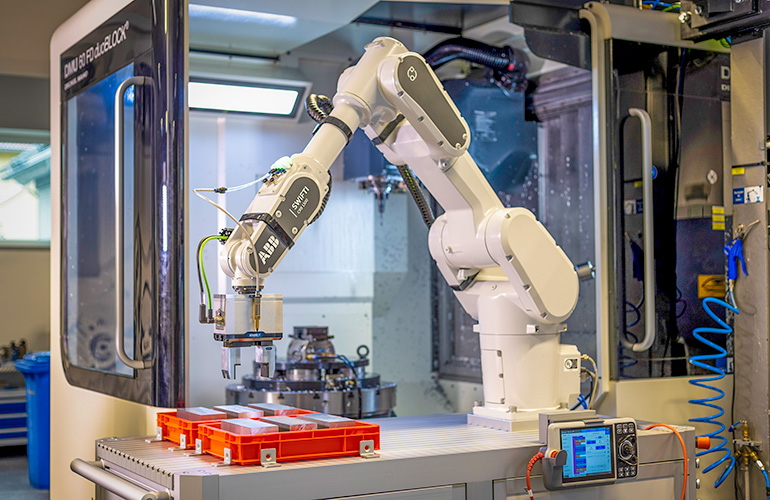
Data Quality and Availability in Smart Manufacturing
One of the most significant challenges of using AI in manufacturing is ensuring the availability of high-quality data. AI systems rely on large volumes of accurate, consistent, and relevant data to make predictions, optimize processes, and detect anomalies. Unfortunately, many factories still operate with legacy equipment that lacks modern sensors or standardized data formats. This results in fragmented, incomplete, or noisy datasets that can undermine AI model performance.
To address this, manufacturers should:
- Invest in upgrading legacy machinery with IoT sensors and connectivity solutions.
- Implement robust data governance policies to standardize data collection and storage.
- Use data cleaning and preprocessing techniques to filter out errors and inconsistencies.
- Collaborate with technology partners to integrate disparate data sources into a unified platform.

Workforce Skills Gap and Change Management
Introducing AI-driven solutions often requires a shift in workforce skills and mindset. Many employees may feel uncertain about how automation and machine learning will affect their roles. The lack of in-house expertise in data science, machine learning, and AI system maintenance can slow down implementation and limit the effectiveness of new technologies.
To overcome this barrier, manufacturers can:
- Provide ongoing training and upskilling opportunities for existing staff.
- Foster a culture of innovation and continuous learning.
- Encourage collaboration between IT, operations, and engineering teams.
- Recruit specialists in AI, data analytics, and industrial automation to fill critical gaps.
Change management is equally important. Transparent communication about the goals, benefits, and limitations of AI projects helps build trust and buy-in across all levels of the organization.
Integration with Existing Systems and Infrastructure
Another major challenge in deploying AI in manufacturing is integrating new technologies with existing systems. Many factories use a mix of legacy software, proprietary machinery, and custom-built solutions, making seamless integration complex. Compatibility issues can lead to delays, increased costs, and even operational disruptions.
Best practices for smooth integration include:
- Conducting a thorough audit of current infrastructure before introducing AI tools.
- Choosing AI platforms that offer open APIs and support industry standards.
- Working with vendors who have experience in industrial environments.
- Implementing pilot projects to test integration on a small scale before full deployment.

Security, Privacy, and Ethical Considerations
With increased connectivity and data sharing, manufacturers must address cybersecurity and privacy risks. AI systems can be vulnerable to cyberattacks, data breaches, and malicious manipulation. Additionally, ethical concerns around transparency, bias, and accountability are gaining attention as AI becomes more prevalent on the factory floor.
To mitigate these risks:
- Implement strong cybersecurity protocols, including regular audits and employee training.
- Ensure compliance with data privacy regulations such as GDPR or CCPA.
- Adopt explainable AI models that allow for transparency in decision-making.
- Establish clear policies for data usage, retention, and access rights.
Manufacturers should also consider the ethical implications of automating decision-making processes, especially when it comes to worker safety and quality control.
Cost, ROI, and Scaling AI Solutions
The initial investment required to implement AI can be substantial, especially for small and medium-sized manufacturers. Costs include hardware upgrades, software licenses, training, and ongoing maintenance. Calculating the return on investment (ROI) can be challenging due to the complexity and long-term nature of many AI projects.
To maximize ROI and scale AI initiatives effectively:
- Start with targeted pilot projects that address high-impact use cases.
- Measure performance using clear, quantifiable metrics.
- Leverage cloud-based AI solutions to reduce upfront infrastructure costs.
- Continuously monitor and optimize AI models for improved efficiency and accuracy.
As more manufacturers share their success stories and best practices, the path to scalable AI adoption is becoming clearer. For a deeper look at how AI is shaping the industry, see this comprehensive overview of AI in manufacturing.
Overcoming Barriers: Practical Recommendations
Successfully navigating the challenges of using AI in manufacturing requires a holistic approach:
- Develop a clear AI strategy aligned with business objectives.
- Engage stakeholders from across the organization early in the process.
- Invest in both technology and people to ensure long-term success.
- Stay informed about emerging standards, regulations, and ethical guidelines.
Manufacturers who proactively address these challenges position themselves to reap the rewards of increased efficiency, improved product quality, and greater agility in a rapidly changing market.
Frequently Asked Questions
What are the most common obstacles to implementing AI in manufacturing?
The main obstacles include poor data quality, lack of skilled personnel, integration difficulties with legacy systems, cybersecurity risks, and high initial costs. Each of these can be addressed with targeted strategies such as upgrading equipment, investing in workforce training, and starting with small-scale pilot projects.
How can manufacturers ensure data quality for AI applications?
Ensuring data quality involves installing modern sensors, standardizing data formats, cleaning and preprocessing data, and integrating information from various sources. Robust data governance and ongoing monitoring are also essential for maintaining high-quality datasets.
Is AI adoption feasible for small and medium-sized manufacturers?
Yes, but it requires careful planning. Smaller manufacturers can benefit from cloud-based AI tools, focus on high-impact use cases, and collaborate with technology partners to minimize costs. Starting with manageable pilot projects helps demonstrate value and build internal support for broader adoption.