

Pinpointing the source of a missile launch is a complex challenge that demands rapid, accurate analysis of vast and varied data. Today, how AI identifies the origin of a missile strike is transforming defense intelligence by automating and accelerating this process. Artificial intelligence leverages advanced algorithms to sift through sensor data, satellite imagery, radar signals, and even social media, providing actionable insights in real time. This capability is crucial for both military response and international accountability.
Understanding the technical journey from detection to attribution reveals how machine learning, data fusion, and pattern recognition work together to deliver precise answers. As missile technology evolves and threats become more sophisticated, AI’s role in source identification is only growing in importance.
For those interested in the broader context of AI’s role in missile defense, exploring how ai manages the transition from detection to engagement provides valuable background on the operational flow from initial alert to active response.
Core Technologies Behind AI-Based Missile Attribution
At the heart of how AI identifies the origin of a missile strike are several interlocking technologies. These systems work together to analyze the trajectory, launch signature, and environmental data associated with a missile event. Key components include:
- Sensor Fusion: AI integrates data from satellites, ground-based radars, infrared sensors, and acoustic arrays to build a comprehensive picture of the launch event.
- Trajectory Analysis: Machine learning models reconstruct the missile’s flight path, calculating its point of origin with high precision.
- Pattern Recognition: Algorithms compare detected signatures to known missile types and launch behaviors, narrowing down potential sources.
- Data Correlation: AI cross-references intelligence from multiple sources, including open-source data and classified feeds, to validate findings.
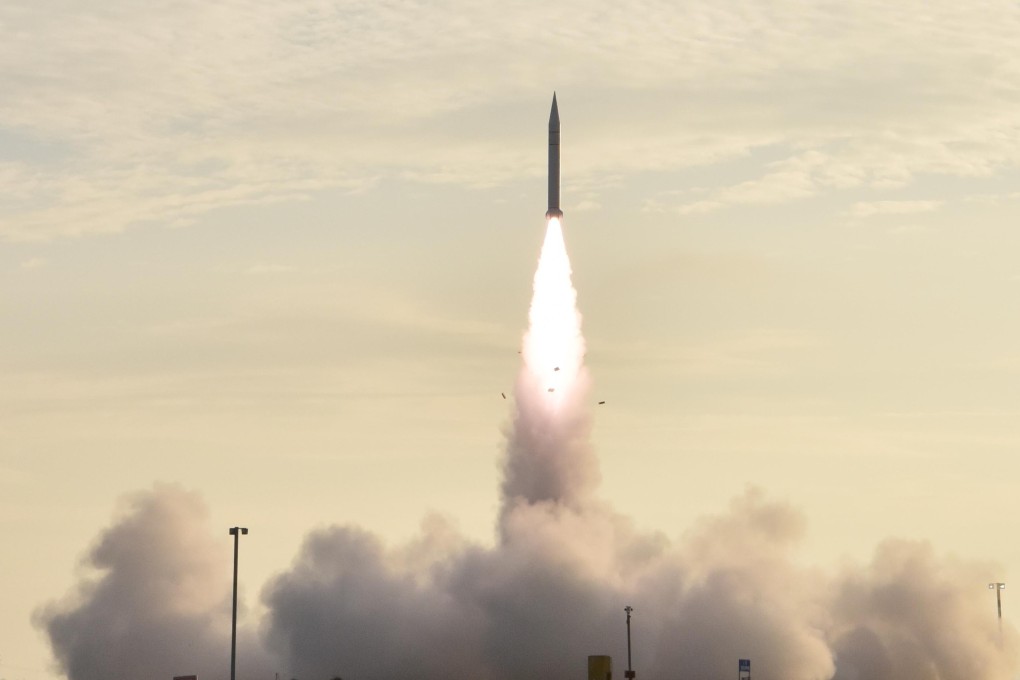
Data Sources Used in Missile Launch Attribution
AI’s effectiveness depends on the quality and diversity of its data inputs. To determine the launch point of a missile, systems typically analyze:
- Satellite Imagery: High-resolution images capture thermal plumes, smoke trails, and ground disturbances at suspected launch sites.
- Radar and Infrared Sensors: These detect the missile’s initial movement and heat signature, providing early trajectory data.
- Seismic and Acoustic Sensors: Ground vibrations and sound waves from the launch are recorded and triangulated.
- Electromagnetic Emissions: AI can detect unique radio frequency patterns emitted by missile systems during launch.
- Open-Source Intelligence (OSINT): Social media posts, news reports, and eyewitness accounts are analyzed for corroborating evidence.
By combining these diverse data streams, AI systems can rapidly narrow down the probable launch location, even in environments where adversaries attempt to mask their activities.
Machine Learning Models and Algorithms in Action
Modern AI platforms use a range of machine learning techniques to process and interpret missile event data. Some of the most effective approaches include:
- Neural Networks: Deep learning models excel at recognizing complex patterns in sensor data, such as distinguishing between missile types based on their infrared signatures.
- Bayesian Inference: Probabilistic models help estimate the most likely origin point by weighing evidence from multiple sources.
- Clustering Algorithms: These group similar launch events, making it easier to identify recurring patterns linked to specific actors or regions.
- Time-Series Analysis: AI examines the sequence of sensor detections to reconstruct the missile’s flight and backtrack to its source.
These algorithms are trained on historical data, simulated launches, and real-world events, continually improving their accuracy as more information becomes available.
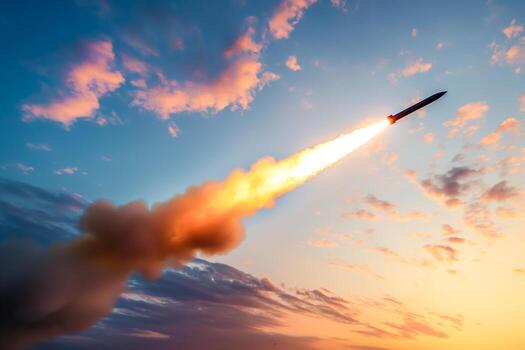
Challenges in Pinpointing Missile Launch Origins
Despite the sophistication of AI, several obstacles complicate the task of identifying launch sites:
- Countermeasures: Adversaries may use decoys, electronic jamming, or camouflage to obscure the true origin.
- Data Gaps: Cloud cover, sensor outages, or limited coverage can result in incomplete data sets.
- False Positives: Natural phenomena or unrelated military activities can sometimes mimic missile signatures.
- Data Overload: The sheer volume of sensor data requires robust filtering and prioritization to avoid missing critical clues.
AI addresses many of these issues through redundancy, cross-validation, and anomaly detection, but human analysts remain essential for final verification and context assessment.
Real-World Applications and Case Studies
AI-driven source attribution has already proven its value in several high-profile incidents. For example, during recent conflicts, automated systems have helped defense agencies quickly identify launch points, enabling timely diplomatic or military responses. In some cases, AI has even detected launches that traditional methods missed, thanks to its ability to process nontraditional data sources and subtle patterns.
These advances are not limited to military use. Humanitarian organizations and international bodies also rely on AI-generated insights to support investigations and enforce treaties. The speed and accuracy of these systems are critical for both immediate action and long-term accountability.
For a deeper look at how AI can assess vulnerabilities in missile threats, see the article on how ai identifies vulnerable points in incoming missiles.
Integrating AI with Broader Defense and Intelligence Systems
Missile attribution is just one part of a larger ecosystem where AI enhances situational awareness and decision-making. These systems often interface with command centers, early warning networks, and allied intelligence platforms. By sharing data and insights, AI helps create a unified operational picture, improving both defensive and diplomatic outcomes.
For example, AI’s role in managing electromagnetic spectrum dominance is explored in detail in the article on how ai helps manage electromagnetic spectrum dominance. This integration ensures that attribution efforts are supported by robust detection and tracking capabilities across multiple domains.
Ethical and Strategic Considerations
While the benefits of AI in missile attribution are clear, there are important ethical and strategic questions to address. Ensuring transparency, minimizing false attributions, and maintaining human oversight are all critical. The rapid pace of AI development also raises concerns about escalation and the potential for automated systems to influence high-stakes decisions.
International norms and agreements are evolving to keep pace with these technologies. Open dialogue and cooperation will be essential to harness AI’s potential while safeguarding against misuse.
To learn more about the invisible aspects of sensing and attribution, the article exploring invisible sensing with AI offers a technical perspective on how advanced analytics are shaping the future of defense intelligence.
FAQ: AI and Missile Strike Attribution
How does AI improve the speed and accuracy of missile launch identification?
AI automates the analysis of vast sensor data, rapidly correlating inputs from satellites, radars, and other sources. This allows for near-instantaneous reconstruction of missile trajectories and identification of launch sites, reducing the time required for manual review and increasing overall accuracy.
What types of data are most important for AI-based missile attribution?
The most valuable data sources include satellite imagery, radar and infrared sensor readings, seismic and acoustic signals, and electromagnetic emissions. AI systems also benefit from open-source intelligence, which can provide additional context and corroboration.
Can AI attribution systems be fooled by countermeasures?
While adversaries may deploy decoys or jamming to obscure launch origins, AI’s ability to cross-reference multiple data streams and detect anomalies makes it resilient against many countermeasures. However, no system is infallible, and human oversight remains essential for final validation.