

The rapid detection and pinpointing of launch sites is a critical capability in modern defense and aerospace operations. As missile and rocket technologies advance, so too must the methods for tracking their origins. How AI identifies launch platform locations is a field that has seen remarkable progress, leveraging machine learning, sensor fusion, and real-time data analysis to deliver actionable intelligence faster than ever before. This article explores the core technologies, challenges, and applications that enable artificial intelligence to accurately and efficiently determine launch points, helping military and civilian agencies respond with greater speed and precision.
Understanding the mechanisms behind these AI-driven systems is essential for anyone involved in defense technology, aerospace monitoring, or strategic planning. By examining the interplay of data sources, algorithms, and real-world scenarios, we gain insight into how these solutions are transforming situational awareness and threat response. For those interested in related advancements, you may also want to explore how AI manages the transition from detection to engagement in missile defense environments.
Key Technologies Behind AI-Driven Launch Site Detection
Modern AI systems rely on a combination of advanced sensors, data fusion, and deep learning models to identify the origin of missile or rocket launches. The process typically involves:
- Sensor fusion: Integrating data from multiple sources such as satellites, radar, infrared, and acoustic sensors to build a comprehensive picture of the launch event. For a deeper dive into this concept, see this explanation of sensor fusion and its applications.
- Machine learning algorithms: Training neural networks to recognize the unique signatures of launches, including heat plumes, sound waves, and trajectory patterns.
- Geospatial analysis: Using AI to correlate detected signals with precise geographic coordinates, factoring in terrain, atmospheric conditions, and known infrastructure.
These technologies work in concert, allowing AI to process vast amounts of data in real time and deliver highly accurate location estimates, often within seconds of a launch event.
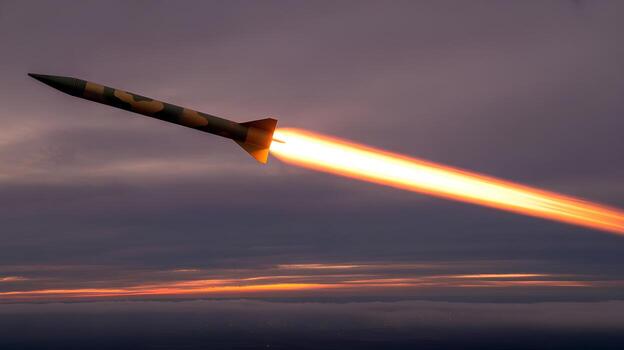
Data Sources for Pinpointing Launch Origins
One of the strengths of AI in this context is its ability to synthesize information from a wide range of sensors and platforms. The main data sources include:
- Satellite imagery: High-resolution optical and infrared images can capture the initial flash and heat signature of a launch.
- Ground-based radar: Tracks the trajectory of projectiles immediately after launch, providing velocity and direction data.
- Seismic and acoustic sensors: Detect the shockwaves and sound patterns unique to missile or rocket launches.
- Electro-optical sensors: Monitor changes in light and heat, further refining the detection process.
By combining these sources, AI can filter out false positives and focus on genuine launch events, even in cluttered or contested environments.
How AI Identifies Launch Platform Locations: Step-by-Step Process
The process of determining a launch site using AI typically follows several key steps:
- Detection: Sensors pick up the initial signs of a launch, such as a heat plume or acoustic signature.
- Classification: AI models analyze the data to confirm that it matches known patterns of missile or rocket launches.
- Localization: Algorithms triangulate the source of the detected signals, using geospatial data and sensor positions.
- Verification: The system cross-references multiple data streams to validate the location and reduce the risk of error.
- Reporting: The identified coordinates are relayed to command centers or defense systems for further action.
This workflow enables rapid and reliable identification, supporting both defensive responses and post-event analysis.
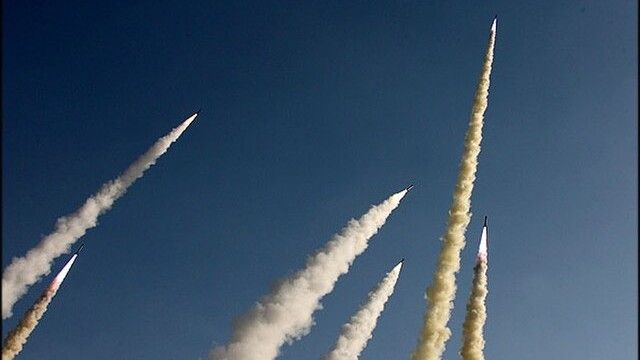
Challenges in Rapid Launch Site Identification
Despite the impressive capabilities of AI, several challenges remain in the quest for instant and accurate launch platform detection:
- Data quality and coverage: Gaps in sensor networks or poor weather conditions can limit the availability of high-quality data.
- Adversarial tactics: Opponents may use camouflage, decoys, or electronic countermeasures to obscure launch activities.
- False positives: Natural phenomena or unrelated human activity can sometimes mimic the signatures of a launch.
- Processing speed: Handling and analyzing massive data streams in real time requires significant computational resources.
Ongoing research and development aim to address these issues, with AI models becoming more robust and adaptive to complex scenarios. For those interested in related topics, see how AI identifies vulnerable points in incoming missiles for further insights into advanced defense analytics.
Applications and Real-World Impact
The practical benefits of using AI for launch site identification are substantial. Key applications include:
- Missile defense: Early and accurate detection allows for timely interception and countermeasures, protecting assets and populations.
- Strategic intelligence: Understanding adversary capabilities and deployment patterns supports informed decision-making.
- Incident investigation: Post-launch analysis helps attribute responsibility and refine future detection protocols.
- Space launch monitoring: Civilian agencies use similar techniques to track and verify commercial or scientific rocket launches.
These applications highlight the transformative effect of AI on both military and civilian aerospace operations, enabling faster, more informed responses to emerging threats and opportunities.
Integrating AI with Broader Defense Systems
AI-based launch site detection does not operate in isolation. It is often integrated with broader command and control systems, feeding real-time data into decision-making frameworks. This integration allows for:
- Automated handoff from detection to engagement, as explored in how ai manages the transition from detection to engagement.
- Coordination with missile defense platforms, decoy deployment, and countermeasure systems.
- Continuous learning, as AI models update themselves based on new data and evolving tactics.
This holistic approach ensures that the benefits of AI-driven detection are fully realized across the defense ecosystem.
Future Directions in AI-Powered Launch Detection
The field is evolving rapidly, with several promising developments on the horizon:
- Edge computing: Deploying AI algorithms directly on sensor platforms to reduce latency and bandwidth requirements.
- Collaborative intelligence: Sharing data and insights across allied networks to improve global situational awareness.
- Enhanced sensor technologies: Integrating new types of sensors, such as hyperspectral imaging and quantum detectors, to capture more detailed information.
- Greater automation: Moving towards fully autonomous detection and response systems, minimizing human intervention and error.
As these trends continue, the speed and accuracy of launch platform identification will only improve, further strengthening defense and security capabilities worldwide.
FAQ
How does AI differentiate between genuine launches and false alarms?
AI systems are trained on vast datasets that include both real launch events and common sources of false positives, such as lightning or industrial activity. By analyzing multiple data streams—such as heat, sound, and trajectory—AI can filter out anomalies and focus on patterns that match known launch signatures. Continuous learning also helps the system adapt to new types of threats and decoys.
What role does sensor fusion play in launch site detection?
Sensor fusion is critical for accuracy and reliability. By combining information from satellites, radar, acoustic, and optical sensors, AI can cross-validate signals and reduce the likelihood of error. This approach also helps compensate for gaps in coverage or degraded sensor performance, ensuring robust detection even in challenging environments.
Can AI-based launch detection be used for civilian space monitoring?
Yes, the same principles apply to civilian applications, such as tracking commercial rocket launches or monitoring compliance with space treaties. AI enables rapid identification and verification of launch events, supporting transparency and safety in the increasingly crowded space domain.