
The rapid advancement of hypersonic missile technology has introduced new challenges for global defense systems. These missiles, capable of traveling at speeds greater than Mach 5, follow unpredictable flight paths that make detection and interception extremely difficult. As a result, defense organizations are turning to artificial intelligence (AI) to enhance their ability to identify, track, and respond to these high-speed threats. Understanding how AI identifies hypersonic missile trajectories is crucial for both military professionals and those interested in the intersection of technology and security.
AI-driven solutions are not limited to military applications; they also represent a significant leap in interdisciplinary STEM fields. For students and educators interested in the broader impact of these technologies, exploring AI and interdisciplinary STEM learning offers valuable insights into how such innovations are shaping the future of science and engineering education.

The Challenge of Detecting Hypersonic Missiles
Hypersonic missiles differ from traditional ballistic missiles in both speed and maneuverability. Their ability to change direction mid-flight and fly at extremely high velocities makes them difficult to track using conventional radar and sensor systems. Traditional detection methods often struggle to keep up with the rapid changes in trajectory, leading to delayed or inaccurate threat assessments.
To address these challenges, defense systems are increasingly relying on AI-powered algorithms that can process vast amounts of sensor data in real time. These algorithms are designed to recognize the unique signatures and flight patterns associated with hypersonic projectiles, even when they attempt to evade detection.
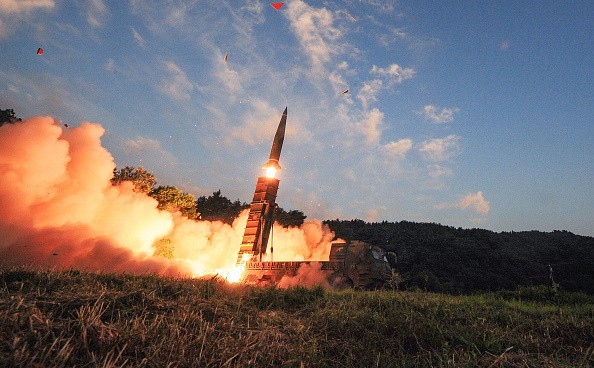
AI Algorithms for Trajectory Prediction
One of the primary ways AI identifies hypersonic missile trajectories is by using advanced machine learning models. These models are trained on large datasets containing information about missile launches, flight patterns, and sensor readings. By analyzing this data, AI systems learn to distinguish between normal aerial activity and the unique characteristics of hypersonic threats.
The process typically involves:
- Data Fusion: AI combines inputs from multiple sources, such as radar, infrared sensors, and satellites, to create a comprehensive picture of the airspace.
- Pattern Recognition: Machine learning algorithms detect anomalies in flight behavior that indicate the presence of a hypersonic missile.
- Real-Time Analysis: AI systems process incoming data in milliseconds, allowing for near-instantaneous identification and tracking.
- Trajectory Estimation: Predictive models forecast the likely path of the missile, even as it maneuvers unpredictably.
This combination of techniques allows defense networks to maintain a continuous lock on fast-moving projectiles, increasing the chances of a successful interception.
Sensor Integration and Data Processing
The effectiveness of AI in tracking hypersonic weapons depends heavily on the quality and diversity of sensor data. Modern defense systems employ a network of ground-based radars, airborne sensors, and space-based platforms to monitor the skies. AI algorithms are adept at integrating these disparate data streams, filtering out noise, and focusing on relevant signals.
For example, when a hypersonic missile is launched, it generates a distinct heat signature and radar profile. AI systems quickly correlate these observations across multiple sensors, confirming the presence of a threat and initiating tracking protocols. This rapid data fusion is essential for keeping pace with the missile’s high speed and evasive maneuvers.
Machine Learning Models in Missile Defense
Deep learning and neural networks play a pivotal role in enhancing the accuracy of trajectory prediction. By continuously learning from new missile tests and real-world engagements, these models improve over time, adapting to emerging threats and novel flight patterns.
Some of the key machine learning techniques used include:
- Supervised Learning: Training AI on labeled datasets of known missile trajectories to improve recognition accuracy.
- Reinforcement Learning: Allowing AI to simulate interception scenarios and optimize its tracking strategies based on outcomes.
- Anomaly Detection: Identifying unexpected behavior in missile flight, which may indicate new or modified weapon systems.
These approaches enable defense systems to adapt to the evolving landscape of hypersonic threats, providing a dynamic and responsive layer of protection.
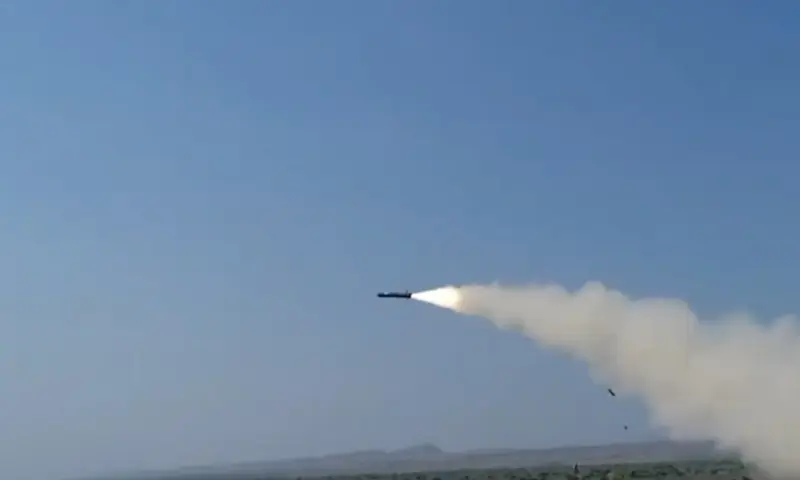
Advantages of AI-Driven Missile Tracking
The integration of AI into missile defense offers several significant benefits:
- Speed: AI processes information much faster than human operators, reducing response times.
- Accuracy: Machine learning models improve detection rates and reduce false alarms.
- Scalability: AI can manage vast sensor networks and adapt to new threats without manual intervention.
- Continuous Improvement: Ongoing learning ensures that AI systems stay current with the latest missile technologies.
These advantages make AI an indispensable tool in the ongoing effort to counter hypersonic missile threats.
Real-World Applications and Ongoing Research
Several countries are actively developing and deploying AI-enhanced missile defense systems. Research institutions and defense contractors are collaborating to refine these technologies, focusing on improving detection accuracy and response speed. For those interested in the broader context of missile detection technologies, a comprehensive overview is available through this detailed guide on ballistic missile detection technologies and defense systems.
The intersection of AI and defense is also influencing educational and research opportunities. Students can explore AI research opportunities for students to gain hands-on experience with the latest advancements in machine learning and sensor integration.
Future Trends in Hypersonic Threat Detection
As hypersonic missile technology continues to evolve, so too will the AI systems designed to counter it. Future trends include the integration of quantum computing for faster data analysis, the use of swarm intelligence to coordinate multiple defense assets, and the development of autonomous interception platforms.
Additionally, advances in sensor technology and data analytics will further enhance the ability of AI to identify and track even the most sophisticated hypersonic threats. Collaboration between defense agencies, academic institutions, and technology companies will be essential in staying ahead of these emerging challenges.
FAQ
How does AI improve the detection of hypersonic missiles compared to traditional methods?
AI enhances detection by rapidly analyzing data from multiple sensors, recognizing complex patterns, and predicting missile trajectories in real time. Unlike traditional systems, AI can adapt to new threats and reduce false positives, making it more effective against high-speed, maneuverable targets.
What types of data do AI systems use to track hypersonic missile paths?
AI systems utilize data from radar, infrared sensors, satellites, and other surveillance tools. By fusing these diverse data sources, AI creates a detailed and accurate representation of the missile’s flight path, even when it changes direction or speed.
Can AI-based tracking systems keep up with future advancements in hypersonic missile technology?
Yes, AI systems are designed to learn and adapt over time. As new missile technologies emerge, machine learning models can be updated with fresh data, ensuring that detection and tracking capabilities remain effective against evolving threats.