
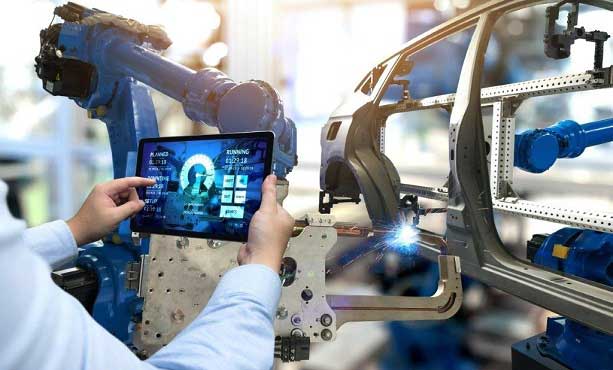
The manufacturing sector is undergoing a profound transformation as artificial intelligence becomes increasingly integrated into factory operations. From automating routine tasks to optimizing complex production lines, AI-driven solutions are reshaping how factories achieve efficiency, quality, and competitiveness. Understanding how AI enhances operational excellence is crucial for manufacturers aiming to stay ahead in a rapidly evolving industry.
By leveraging advanced algorithms, machine learning, and real-time data analytics, factories can minimize downtime, improve product quality, and make smarter decisions. This article explores the practical ways AI is driving improvements across manufacturing environments, offering insights for leaders and engineers alike. For those interested in related applications, our guide on how AI identifies the type of fuel used in a missile launch provides further perspective on AI’s versatility.
Key Drivers of AI Adoption for Manufacturing Efficiency
The push for operational excellence in factories is motivated by the need to reduce costs, increase productivity, and maintain high standards of safety and quality. AI technologies address these goals by:
- Automating repetitive tasks: Robots and intelligent systems handle assembly, packaging, and inspection, freeing human workers for higher-value activities.
- Predictive maintenance: Machine learning models analyze sensor data to predict equipment failures before they occur, minimizing unplanned downtime.
- Real-time process optimization: AI continuously monitors and adjusts production parameters, ensuring optimal throughput and resource utilization.
- Quality assurance: Computer vision and pattern recognition algorithms detect defects with greater accuracy than manual inspection.
These advancements are not just theoretical. Many leading manufacturers have already implemented AI-powered systems, reporting measurable gains in efficiency and cost savings.
AI-Powered Predictive Maintenance and Downtime Reduction
One of the most impactful ways artificial intelligence improves factory operations is through predictive maintenance. Traditional maintenance schedules are often based on fixed intervals, which can lead to unnecessary part replacements or unexpected breakdowns. AI changes this paradigm by:
- Collecting data from sensors embedded in machinery
- Analyzing vibration, temperature, and performance metrics
- Identifying patterns that precede equipment failure
- Alerting maintenance teams only when intervention is truly needed
This approach not only reduces maintenance costs but also extends the lifespan of critical assets. For example, a global automotive manufacturer reported a 25% decrease in unplanned downtime after deploying AI-driven predictive maintenance across its assembly lines.
Optimizing Production Lines with Intelligent Analytics
AI’s ability to process vast amounts of production data in real time enables factories to optimize workflows and resource allocation. By applying advanced analytics, manufacturers can:
- Identify bottlenecks and inefficiencies in production lines
- Simulate process changes to evaluate potential improvements
- Balance workloads across machines and shifts
- Respond dynamically to changes in demand or supply chain disruptions
These capabilities are especially valuable in high-mix, low-volume manufacturing environments, where flexibility and rapid adaptation are essential. AI-driven scheduling and planning tools help managers make informed decisions that maximize output while minimizing waste.
Enhancing Quality Control and Product Consistency
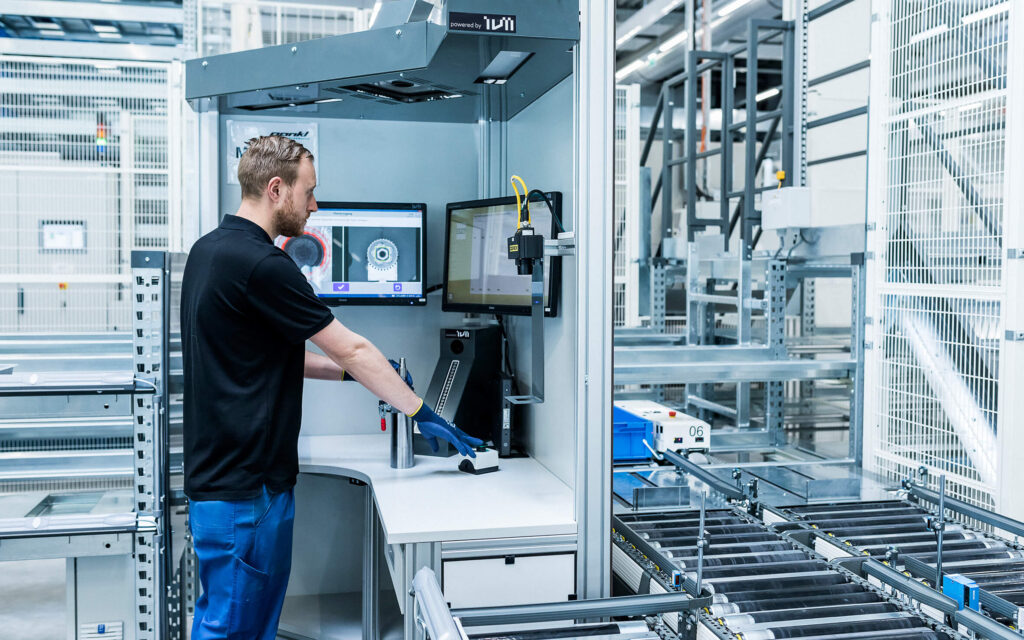
Maintaining consistent product quality is a cornerstone of operational excellence. AI-powered vision systems and anomaly detection algorithms are now standard in many factories, providing:
- Automated inspection of parts and finished goods
- Detection of subtle defects invisible to the human eye
- Real-time feedback to operators for immediate corrective action
- Comprehensive traceability and documentation for compliance
For a deeper dive into how AI can spot subtle issues, see our article on detecting subtle anomalies in sensor telemetry using AI. These solutions not only reduce scrap and rework but also build customer trust through higher product reliability.
Data-Driven Decision Making and Continuous Improvement
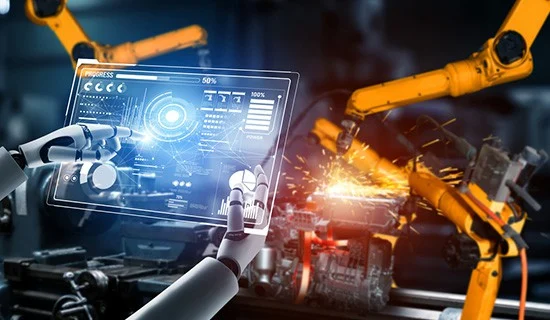
The integration of AI into factory operations fosters a culture of continuous improvement. By harnessing real-time data and advanced analytics, manufacturers can:
- Monitor key performance indicators (KPIs) across all levels of production
- Identify root causes of inefficiencies or quality issues
- Test and validate process changes with minimal risk
- Empower teams with actionable insights for ongoing optimization
As factories become more connected and data-rich, the role of AI in supporting agile, evidence-based decision making will only grow. For more on the broader impacts of AI in industrial settings, explore IBM’s overview of AI in manufacturing.
Challenges and Considerations for AI Implementation
While the benefits of AI in manufacturing are clear, successful adoption requires careful planning. Key challenges include:
- Data quality and integration: AI systems depend on accurate, well-structured data from multiple sources.
- Change management: Employees must be trained to work alongside new technologies and adapt to evolving processes.
- Cybersecurity: As factories become more connected, protecting sensitive data and systems from cyber threats is paramount.
- Scalability: Solutions should be designed to grow with the organization’s needs.
Manufacturers should start with pilot projects, measure results, and scale successful initiatives. Collaboration between IT, operations, and business leaders is essential to realize the full potential of AI-driven transformation.
Future Trends: The Evolving Role of AI in Manufacturing
As technology advances, the scope of AI in factories will continue to expand. Emerging trends include:
- Greater use of collaborative robots (cobots) working safely alongside humans
- Integration of AI with Industrial Internet of Things (IIoT) devices for deeper insights
- Edge computing for faster, decentralized decision making
- Advanced simulation and digital twins for virtual testing and optimization
These innovations promise to further elevate operational standards, enabling manufacturers to respond swiftly to market changes and customer demands.
FAQ: AI and Operational Excellence in Factories
What are the main benefits of using AI in manufacturing?
AI helps factories boost efficiency, reduce downtime, improve product quality, and optimize resource use. It enables predictive maintenance, automates inspections, and supports data-driven decision making.
How does AI support predictive maintenance?
By analyzing sensor data from equipment, AI identifies patterns that indicate potential failures. Maintenance teams receive alerts only when necessary, reducing unnecessary repairs and preventing unexpected breakdowns.
Is it difficult to implement AI solutions in existing factories?
Implementation can be challenging due to data integration, employee training, and cybersecurity concerns. However, starting with small-scale projects and gradually expanding can help organizations realize benefits while managing risks.
Can AI improve quality control in manufacturing?
Yes, AI-powered vision systems and anomaly detection tools can spot defects more accurately and consistently than manual inspection, leading to higher product quality and reduced waste.
Where can I learn more about AI applications in industrial settings?
For further reading, see our articles on impact of AI on interceptor hit-to-kill probability and the role of AI in directing directed energy weapons.