
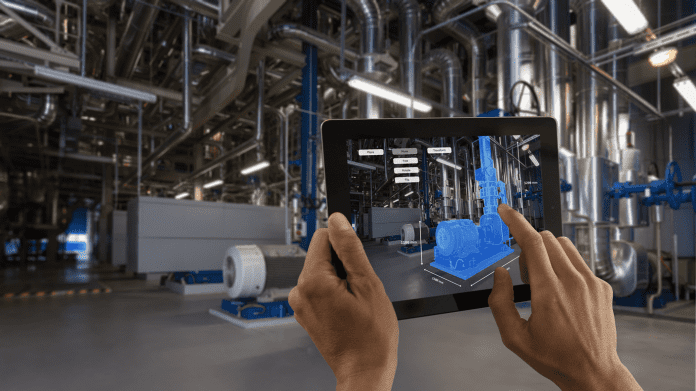
Manufacturing is undergoing a significant transformation as artificial intelligence (AI) becomes increasingly integrated into factory operations. The ability to optimize processes in real time is changing how factories operate, making them more efficient, adaptive, and competitive. This article explores how AI enables real time optimization within industrial environments, the technologies involved, and the tangible benefits for manufacturers.
AI-driven optimization is not just about automation—it’s about empowering factories to make smarter decisions instantly, adapt to changing conditions, and continuously improve performance. By leveraging data from sensors, machines, and production lines, AI algorithms can detect inefficiencies, predict issues, and recommend or implement adjustments on the fly. This capability is crucial for manufacturers seeking to reduce costs, enhance quality, and respond quickly to market demands.
For those interested in broader applications of artificial intelligence, including its role in defense and space, you can learn more about how AI manages the transition from detection to engagement in complex systems.
Understanding Real-Time Process Optimization with AI
At its core, real-time optimization refers to the continuous monitoring and adjustment of factory operations as conditions change. Traditional manufacturing relied on periodic reviews and manual interventions, which often led to delays and missed opportunities for improvement. AI changes this paradigm by enabling instant analysis and response.
Key elements of AI-powered optimization include:
- Data Collection: Sensors and IoT devices gather real-time data from machines, production lines, and environmental conditions.
- Advanced Analytics: Machine learning models analyze incoming data, identifying patterns, anomalies, and areas for improvement.
- Automated Decision-Making: AI systems recommend or execute process adjustments, such as changing machine parameters, rerouting workflows, or scheduling maintenance.
- Continuous Feedback: The system learns from outcomes, refining its models to improve future recommendations.
This approach allows factories to operate at peak efficiency, minimize downtime, and quickly adapt to unexpected events.
Key Technologies Powering AI-Driven Factory Optimization
Several technologies converge to make real-time optimization using AI possible in modern factories:
- Industrial Internet of Things (IIoT): Networks of connected devices and sensors provide the data foundation for AI analysis.
- Edge Computing: Processing data close to the source reduces latency, enabling immediate responses to changing conditions.
- Digital Twins: Virtual replicas of physical assets allow AI to simulate and test process changes before implementation.
- Machine Learning Algorithms: These models detect trends, predict failures, and optimize parameters based on historical and real-time data.
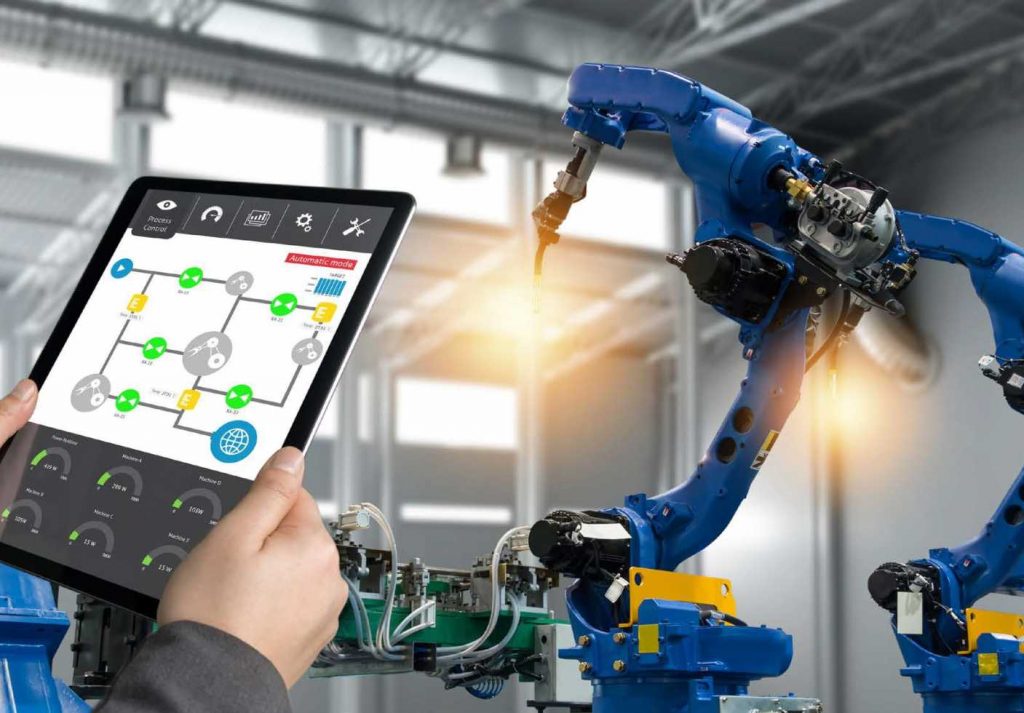
By combining these technologies, manufacturers can create a responsive ecosystem where machines, software, and people collaborate seamlessly.
Benefits of AI-Enabled Optimization in Manufacturing
Implementing AI for real-time process improvement delivers a range of advantages:
- Increased Efficiency: AI identifies bottlenecks and suggests changes that streamline production, reducing waste and energy consumption.
- Reduced Downtime: Predictive maintenance powered by AI can anticipate equipment failures, allowing for proactive repairs and minimizing disruptions.
- Enhanced Product Quality: Continuous monitoring ensures that deviations from quality standards are detected and corrected immediately.
- Agility: Factories can quickly adjust to new orders, supply chain changes, or unexpected events, maintaining productivity and customer satisfaction.
- Cost Savings: Optimized processes lower operational expenses and improve resource utilization.
For a deeper dive into how artificial intelligence is transforming manufacturing, consider reading this analysis of AI’s impact on the manufacturing sector.
Real-World Applications: How AI Enables Real Time Optimization
Across industries, factories are leveraging AI to solve complex challenges and unlock new levels of performance. Here are some practical examples:
- Dynamic Scheduling: AI systems adjust production schedules in response to machine availability, workforce changes, or urgent orders, maximizing throughput.
- Process Control: Algorithms monitor variables such as temperature, pressure, and speed, making real-time adjustments to maintain optimal conditions.
- Supply Chain Coordination: AI predicts material shortages or delays and automatically reorders supplies or reroutes logistics to prevent slowdowns.
- Energy Management: Factories use AI to optimize energy consumption, shifting loads or adjusting processes to take advantage of lower energy rates or renewable sources.
These applications demonstrate the versatility and impact of AI-driven optimization, from the shop floor to the executive office.
Challenges and Considerations for Implementing AI in Factories
While the benefits are clear, adopting AI for real-time process optimization comes with its own set of challenges:
- Data Quality: Reliable optimization depends on accurate, high-quality data from sensors and systems.
- Integration: Connecting legacy equipment and disparate software platforms can be complex and resource-intensive.
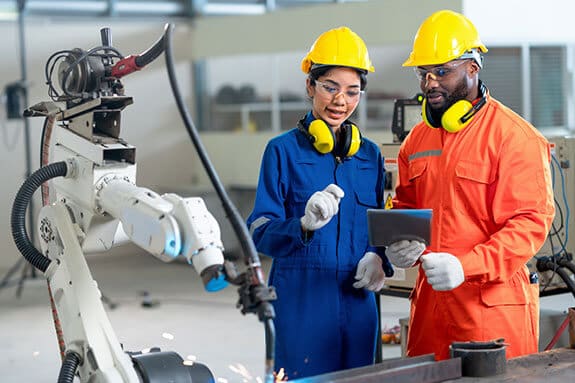
- Change Management: Employees may need training to work alongside AI systems and trust automated recommendations.
- Cybersecurity: Increased connectivity raises the risk of cyber threats, requiring robust security measures.
- Scalability: Solutions must be designed to grow with the factory’s needs and adapt to new technologies.
Manufacturers should approach AI adoption strategically, starting with pilot projects, involving stakeholders, and focusing on measurable outcomes.
For those interested in how AI supports other complex environments, such as space operations, the article on the role of AI in space situational awareness provides further insights.
Future Trends in AI-Driven Factory Optimization
The landscape of industrial optimization is evolving rapidly. Some trends to watch include:
- Autonomous Factories: As AI matures, factories will increasingly operate with minimal human intervention, making decisions and self-correcting in real time.
- Collaborative Robotics: AI-powered robots will work alongside humans, adapting to changing tasks and environments.
- Predictive Supply Chains: End-to-end visibility and AI-driven forecasting will enable more resilient, responsive supply networks.
- Personalized Manufacturing: Factories will be able to produce customized products efficiently, responding instantly to customer preferences.
These advancements will further cement AI’s role as a cornerstone of modern manufacturing, driving continuous improvement and innovation.
FAQ
What types of data are most important for AI-driven factory optimization?
Key data sources include sensor readings from machines, production line metrics, environmental conditions (such as temperature and humidity), maintenance records, and supply chain information. High-quality, real-time data is essential for effective AI analysis and decision-making.
How can manufacturers start implementing AI for process optimization?
Begin with a clear business goal, such as reducing downtime or improving quality. Start with a pilot project in a specific area, ensure robust data collection, and involve both IT and operations teams. Gradually scale successful solutions across the factory.
Are AI-driven optimization systems secure?
Security is a critical consideration. Manufacturers should implement strong cybersecurity protocols, regularly update software, segment networks, and monitor for unusual activity. Protecting sensitive production and operational data is essential as connectivity increases.