

The rapid evolution of military technology has placed automated target recognition (ATR) at the forefront of modern defense strategies. ATR systems leverage advanced algorithms and artificial intelligence to identify, classify, and track objects of interest—such as vehicles, aircraft, and missiles—across complex environments. As threats become more sophisticated and the volume of sensor data grows, the need for reliable, fast, and accurate recognition tools is more critical than ever. This guide to automated target recognition in defense explores how ATR works, its applications, and the challenges and opportunities it presents for military operations.
Understanding how ATR integrates with broader defense systems is essential. For example, AI-driven solutions are transforming not only target recognition but also the transition from detection to engagement. To learn more about these advancements, see how ai manages the transition from detection to engagement.
What Is Automated Target Recognition?
ATR refers to the use of computer algorithms and machine learning to automatically detect and identify objects of military interest in sensor data. These systems process information from a variety of sources, including radar, electro-optical, infrared, and synthetic aperture radar (SAR) imagery. The goal is to reduce human workload, improve decision-making speed, and enhance accuracy in environments where seconds can make a difference.
Modern ATR solutions are designed to operate in real time, handling vast amounts of data and filtering out noise or irrelevant information. By automating the recognition process, defense forces can respond more quickly to emerging threats and reduce the risk of human error.
Core Technologies Behind ATR Systems
Several technological advances have enabled the development of robust ATR capabilities:
- Machine Learning and Deep Learning: Neural networks and deep learning models are trained on massive datasets to recognize patterns and features unique to specific targets.
- Sensor Fusion: Combining data from multiple sensor types increases reliability and accuracy, especially in contested or cluttered environments.
- Edge Computing: Processing data closer to the sensor reduces latency and enables real-time decision-making, which is crucial for time-sensitive missions.
- Advanced Signal Processing: Sophisticated algorithms filter, enhance, and interpret sensor data to improve detection rates and reduce false alarms.
Applications of ATR in Military Operations
The use of automated recognition tools spans a wide range of defense scenarios. Some of the most impactful applications include:
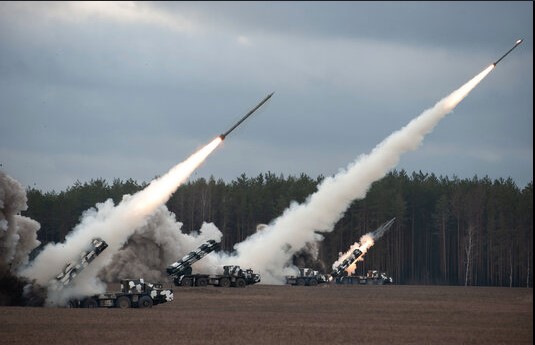
- Missile Defense: ATR systems can rapidly identify and track incoming missiles, supporting interception decisions and threat prioritization. For further insights, see the benefits of ai for theater-level missile defense.
- Battlefield Surveillance: Automated systems scan vast areas, detecting vehicles, personnel, and equipment movements, providing commanders with timely situational awareness.
- Unmanned Systems: Drones and autonomous vehicles rely on ATR to navigate, avoid obstacles, and identify targets autonomously.
- Space Domain Awareness: ATR helps monitor satellites and debris, supporting space situational awareness and asset protection. More on this can be found in the discussion of what is the role of ai in space situational awareness.
Challenges in Deploying Automated Target Recognition
Despite its promise, ATR faces several technical and operational hurdles:
- Adversarial Environments: Camouflage, decoys, and electronic countermeasures can degrade recognition accuracy.
- Data Quality and Diversity: ATR models require extensive, high-quality training data representing a wide range of conditions and target types.
- False Positives and Negatives: Balancing sensitivity and specificity is critical to avoid missing threats or overwhelming operators with false alarms.
- Integration with Legacy Systems: Modern ATR tools must work seamlessly with existing command, control, and sensor networks.
How ATR Enhances Decision-Making in Defense
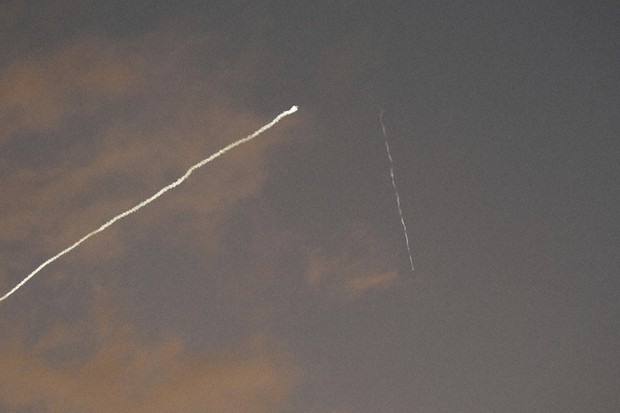
Integrating automated recognition into defense workflows streamlines the process from detection to engagement. By providing real-time, actionable intelligence, ATR enables commanders to make faster, more informed decisions. This is particularly valuable in high-stakes scenarios such as missile defense, where reaction times are measured in seconds.
Additionally, ATR reduces cognitive load on operators, allowing them to focus on complex tasks that require human judgment. As AI continues to mature, the collaboration between human analysts and automated systems is expected to become even more seamless and effective.
Future Trends in Automated Target Recognition for Defense
The future of ATR is closely tied to advancements in artificial intelligence, sensor technology, and data processing. Key trends to watch include:
- Greater Use of Synthetic Data: Generating realistic training data through simulation helps improve model robustness and adaptability.
- AI Explainability: As ATR systems become more complex, understanding how they reach decisions will be vital for trust and accountability.
- Collaborative Autonomy: Swarms of unmanned systems working together, each equipped with ATR, can cover larger areas and share information in real time.
- Resilience to Adversarial Attacks: Ongoing research aims to make ATR algorithms more resistant to spoofing and deception.
For a deeper dive into how AI is shaping the electromagnetic spectrum and enhancing defense capabilities, explore how ai helps manage electromagnetic spectrum dominance.
Real-World Impact and Case Studies
ATR is already making a difference in operational settings. For instance, missile defense systems now rely on automated recognition to distinguish between real threats and decoys, improving interception rates. Surveillance drones equipped with ATR can autonomously patrol borders, identify unauthorized vehicles, and alert ground forces in real time.
In the maritime domain, ATR assists in identifying vessels and monitoring shipping lanes, supporting both security and humanitarian missions. The continuous improvement of these technologies promises to further enhance the effectiveness and safety of military personnel.
Related Technologies and Integration
ATR does not operate in isolation. Its effectiveness is amplified when integrated with other advanced defense technologies. For example, identifying weak points in incoming missiles can be enhanced by AI-driven analysis, as detailed in how ai identifies vulnerable points in incoming missiles. Similarly, ATR data feeds into broader command and control systems, supporting coordinated responses across multiple domains.
For those interested in the latest developments in detection and tracking, the article on ballistic missile detection technologies in defense systems provides a comprehensive overview of current and emerging solutions.
FAQ: Automated Target Recognition in Defense
How does ATR differ from traditional target recognition methods?
Traditional methods rely heavily on human operators to manually interpret sensor data, which can be time-consuming and prone to error. ATR automates this process using AI and machine learning, enabling faster, more consistent, and scalable recognition across large datasets and complex environments.
What types of sensors are commonly used in ATR systems?
ATR systems typically use data from radar, electro-optical, infrared, and synthetic aperture radar (SAR) sensors. Combining multiple sensor types, known as sensor fusion, improves detection accuracy and resilience against countermeasures.
What are the main limitations of current ATR technology?
Current challenges include dealing with adversarial tactics such as camouflage and decoys, ensuring high-quality training data, minimizing false positives, and integrating with legacy defense infrastructure. Ongoing research aims to address these issues and improve overall system reliability.