
The rapid evolution of artificial intelligence is reshaping the landscape of modern defense technology. Nowhere is this more evident than in the development of AI-driven interceptor guidance systems, which are designed to detect, track, and neutralize airborne threats with unprecedented speed and precision. As missile threats become more sophisticated, the need for smarter, more adaptive guidance solutions has never been greater. This guide explores how AI is transforming interceptor systems, the core technologies involved, and the impact on accuracy and reliability in real-world scenarios.
Understanding these advancements is essential for anyone interested in the future of missile defense, from defense professionals to technology enthusiasts. For a deeper dive into how AI transitions from detection to engagement in these systems, see how ai manages the transition from detection to engagement.
Understanding AI in Modern Interceptor Guidance
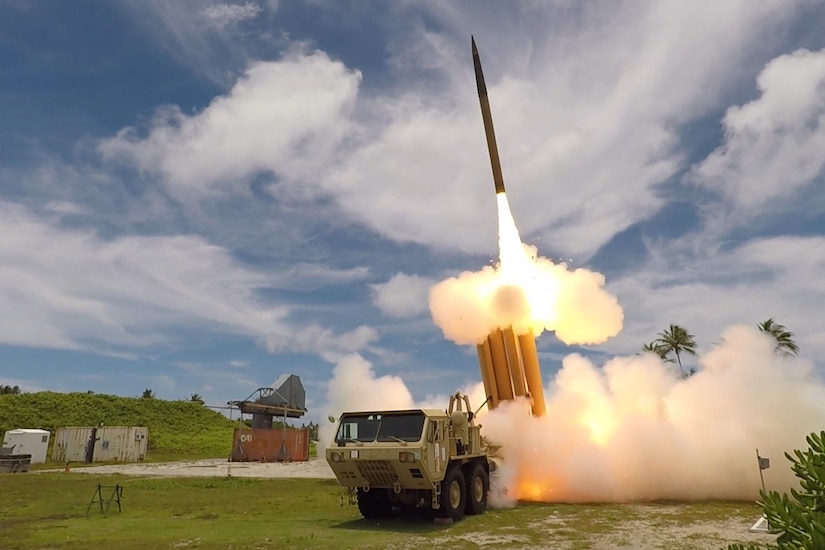
Traditional interceptor guidance systems relied heavily on pre-programmed algorithms and manual operator input. However, with the integration of artificial intelligence, these systems have become more autonomous and adaptive. AI enables interceptors to process vast amounts of sensor data in real time, recognize complex patterns, and make split-second decisions that would be impossible for human operators or legacy software alone.
Key components of AI-powered guidance include:
- Sensor Fusion: Combining data from radar, infrared, and optical sensors to create a comprehensive picture of the battlespace.
- Machine Learning Algorithms: Continuously improving targeting and tracking accuracy by learning from previous engagements and simulations.
- Autonomous Navigation: Allowing interceptors to adjust their flight paths dynamically in response to unpredictable threats.
These innovations allow for faster reaction times and greater flexibility in complex, high-threat environments.
How AI-Driven Guidance Enhances Accuracy
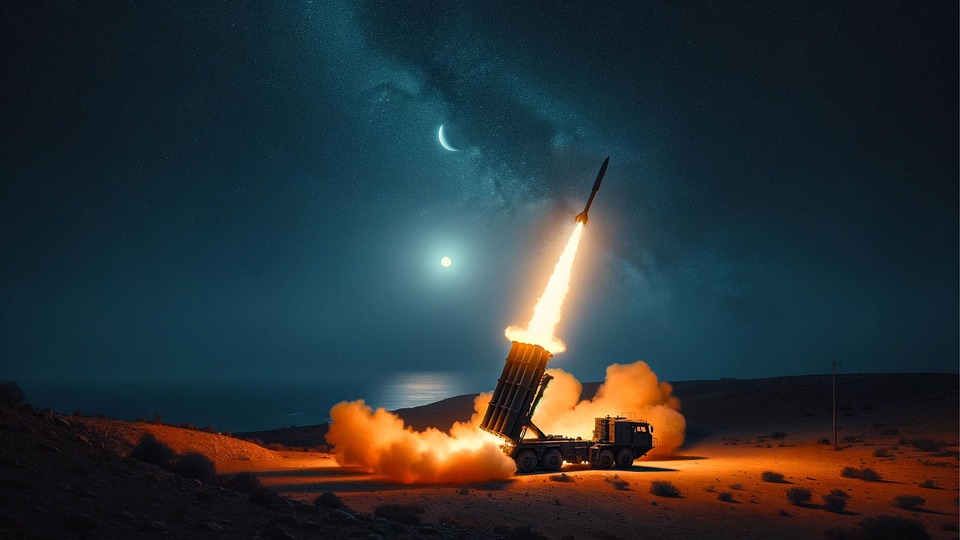
Accuracy is the cornerstone of any missile defense system. AI-powered interceptors leverage advanced algorithms to predict the trajectory of incoming threats with remarkable precision. By analyzing real-time data and historical patterns, these systems can anticipate evasive maneuvers and countermeasures employed by hostile missiles.
Some of the ways AI improves accuracy include:
- Predictive Tracking: AI models can forecast the likely path of a target, even if it changes speed or direction unexpectedly.
- Adaptive Targeting: Machine learning enables interceptors to refine their targeting parameters mid-flight, increasing the probability of a successful intercept.
- Reduced Human Error: Automation minimizes the risk of mistakes due to operator fatigue or information overload.
For a broader perspective on the benefits of ai for theater-level missile defense, consider how these improvements scale across larger, integrated defense networks.
Core Technologies Behind Intelligent Interceptor Systems
At the heart of these advanced systems are several core technologies that work together to deliver reliable performance in the field:
- Deep Learning Neural Networks: These models excel at recognizing patterns in sensor data, enabling the system to distinguish between decoys and genuine threats.
- Real-Time Data Processing: High-speed processors and optimized software architectures ensure that AI algorithms can analyze sensor inputs and update guidance commands in milliseconds.
- Reinforcement Learning: Interceptors can be trained in simulated environments, learning optimal strategies for various engagement scenarios.
- Secure Communications: Robust encryption and anti-jamming technologies protect the data links between interceptors and command centers.
These elements combine to create a resilient, adaptive defense capability that can respond to evolving threats on the modern battlefield.
Challenges and Limitations of AI in Interceptor Guidance
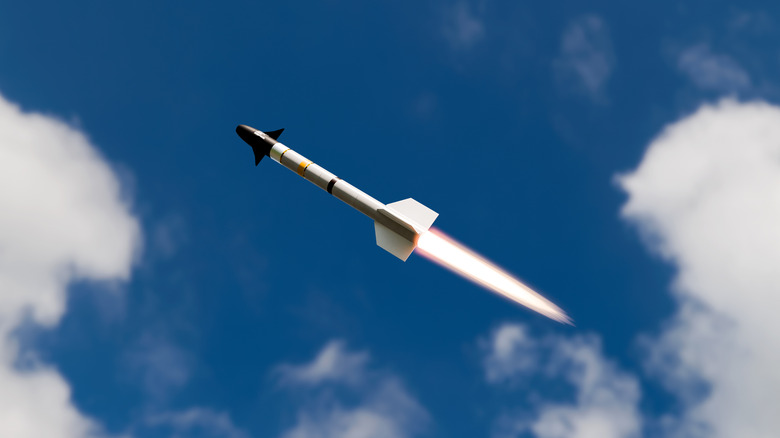
Despite the many advantages, integrating AI into interceptor guidance is not without its challenges. Some of the main issues include:
- Data Quality: AI systems are only as good as the data they receive. Poor sensor performance or data corruption can degrade accuracy.
- Adversarial Tactics: Opponents may attempt to deceive AI algorithms with decoys, electronic countermeasures, or unpredictable maneuvers.
- System Complexity: As guidance systems become more sophisticated, ensuring reliability and maintainability becomes more difficult.
- Ethical and Legal Considerations: The use of autonomous weapons raises important questions about accountability and compliance with international law.
Ongoing research and development are focused on addressing these issues, with the goal of making AI-powered interceptors both highly effective and trustworthy.
Real-World Applications and Future Trends
AI-guided interceptors are already being deployed in advanced missile defense systems around the world. These technologies are used to protect critical infrastructure, military assets, and civilian populations from a wide range of airborne threats, including ballistic missiles, cruise missiles, and unmanned aerial vehicles (UAVs).
Looking ahead, several trends are likely to shape the future of this field:
- Greater Autonomy: Future interceptors may operate with minimal human oversight, relying on AI to make complex decisions in real time.
- Integration with Space-Based Sensors: Leveraging satellite data can extend detection and tracking capabilities far beyond current limits.
- Collaborative Defense Networks: Multiple interceptors and sensors can share information, coordinating their actions for maximum effectiveness.
- Continuous Learning: AI systems will become better at adapting to new threats through ongoing training and simulation.
For more on how AI is influencing space situational awareness, see what is the role of ai in space situational awareness.
To explore how AI is shaping the broader missile defense landscape, the article on missile developments in the AI era provides additional insights into current and emerging trends.
AI-Powered Guidance and Electromagnetic Spectrum Dominance
One of the most significant advantages of AI-driven guidance is the ability to operate effectively in contested electromagnetic environments. Modern battlefields are saturated with electronic warfare systems designed to jam or spoof missile guidance. AI can help interceptors adapt to these challenges by:
- Detecting and Avoiding Jamming: Machine learning algorithms can recognize patterns of interference and adjust sensor usage or communication channels accordingly.
- Dynamic Spectrum Management: AI can allocate resources across the electromagnetic spectrum to maintain reliable guidance and control links.
For a comprehensive look at this topic, see how ai helps manage electromagnetic spectrum dominance.
Identifying Vulnerabilities in Incoming Threats
Another crucial application of AI in interceptor guidance is the identification of weak points in incoming missiles. By analyzing sensor data and leveraging predictive modeling, AI can help interceptors target the most vulnerable sections of a missile, increasing the likelihood of a successful intercept. For more details, refer to how ai identifies vulnerable points in incoming missiles.
FAQ
How does AI improve the accuracy of interceptor missiles?
AI enhances accuracy by processing sensor data in real time, predicting target movements, and dynamically adjusting flight paths. Machine learning algorithms learn from past engagements, enabling interceptors to anticipate evasive maneuvers and optimize targeting parameters for each unique threat.
What are the main challenges in deploying AI-powered interceptor guidance?
The primary challenges include ensuring high-quality sensor data, countering adversarial tactics such as decoys and jamming, managing system complexity, and addressing ethical and legal considerations related to autonomous weapon systems.
Can AI-guided interceptors operate autonomously?
Yes, many modern systems are designed to function with minimal human intervention. AI enables interceptors to make rapid decisions and adapt to changing battlefield conditions, though human oversight remains important for accountability and mission assurance.