
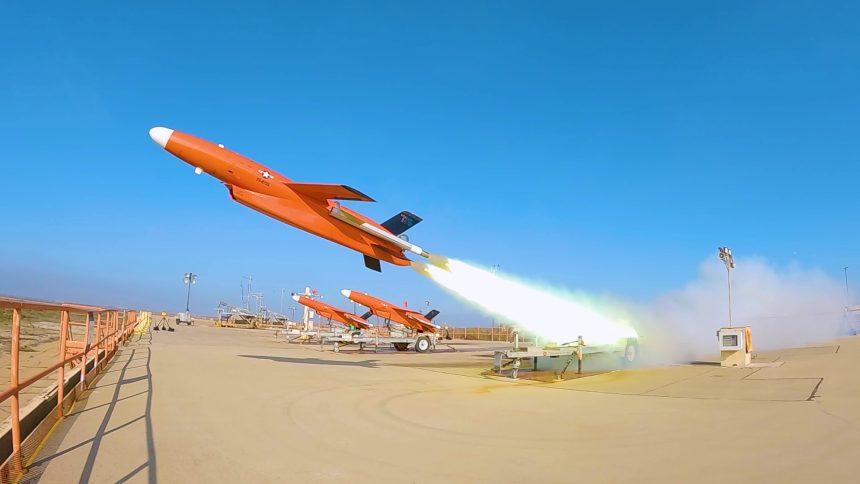
The rapid evolution of artificial intelligence is transforming military operations worldwide. Modern defense strategies increasingly rely on AI-driven battlefield management systems to process vast streams of data, coordinate assets, and make split-second decisions. These advanced platforms are reshaping how commanders plan, execute, and adapt to the dynamic conditions of modern warfare. By integrating machine learning, real-time analytics, and autonomous technologies, militaries can achieve greater situational awareness, faster response times, and improved mission outcomes.
Understanding how these intelligent systems operate, their advantages, and the challenges they present is essential for defense professionals, policymakers, and technology enthusiasts. This article explores the core components, benefits, and future trends of AI-powered solutions for battlefield management. For a deeper look at how artificial intelligence transitions from detection to engagement in defense scenarios, see how ai manages the transition from detection to engagement.
Understanding AI-Enabled Command and Control
At the heart of next-generation military operations lies AI-enabled command and control. These systems leverage algorithms to fuse information from satellites, sensors, drones, and ground units. By automating data analysis, they provide commanders with a comprehensive, real-time view of the operational environment. This enhanced situational awareness allows for more effective decision-making, resource allocation, and threat response.
Key features of these platforms include:
- Automated data fusion from multiple sources
- Predictive analytics for threat assessment
- Dynamic mission planning and resource optimization
- Real-time alerts and recommendations
For example, when an incoming threat is detected, AI-driven systems can instantly analyze its trajectory, recommend countermeasures, and coordinate responses across air, land, sea, and cyber domains. This level of integration is crucial for maintaining operational tempo and minimizing human error.

Key Benefits of AI-Driven Battlefield Management
Implementing AI-based battlefield management solutions offers several strategic advantages:
- Faster Decision-Making: Machine learning models process data in milliseconds, enabling rapid responses to threats and opportunities.
- Enhanced Situational Awareness: By integrating feeds from diverse sensors, commanders gain a unified operational picture.
- Resource Optimization: AI algorithms allocate assets efficiently, reducing waste and maximizing impact.
- Reduced Cognitive Load: Automation relieves personnel from routine analysis, allowing them to focus on critical tasks.
- Improved Survivability: Predictive analytics help anticipate enemy actions and suggest proactive measures.
For instance, in missile defense, AI can identify vulnerable points in incoming threats, as discussed in how ai identifies vulnerable points in incoming missiles. This capability improves interception rates and protects both personnel and infrastructure.
Core Components of Intelligent Battlefield Platforms
Modern AI-driven command and control systems are built on several foundational elements:
- Data Collection: Sensors, satellites, and reconnaissance platforms gather information from the battlefield.
- Data Processing: AI algorithms clean, fuse, and analyze raw data to extract actionable insights.
- Decision Support: The system generates recommendations, forecasts, and alerts for commanders.
- Asset Coordination: Automated tools synchronize the actions of units, vehicles, and weapons systems.
- Feedback Loops: Continuous learning mechanisms refine models based on outcomes and new data.
These components work together to ensure that military leaders can adapt quickly to changing conditions and maintain a decisive edge over adversaries.

Challenges and Considerations in Deploying AI Solutions
While the advantages are significant, deploying AI-powered battlefield management also presents notable challenges:
- Data Security: Protecting sensitive information from cyber threats is paramount.
- System Integration: Merging legacy platforms with new AI tools can be complex and costly.
- Ethical Concerns: Automated decision-making raises questions about accountability and compliance with international law.
- Reliability: Ensuring that AI systems perform as expected in unpredictable environments is critical.
- Human-Machine Teaming: Balancing automation with human oversight remains a key focus for military organizations.
Addressing these issues requires robust testing, clear protocols, and ongoing collaboration between technologists, military leaders, and policymakers. For more on how AI is shaping electromagnetic spectrum dominance, see how ai helps manage electromagnetic spectrum dominance.
Applications Across Multi-Domain Operations
AI-driven management systems are not limited to a single domain. They are increasingly vital for coordinating operations across land, air, sea, space, and cyberspace. For example:
- Land: AI assists with logistics, troop movements, and threat detection on the ground.
- Air: Autonomous drones and aircraft use AI for navigation, targeting, and surveillance.
- Sea: Naval operations benefit from AI in submarine tracking and fleet coordination.
- Space: AI enhances space situational awareness, as detailed in what is the role of ai in space situational awareness.
- Cyber: AI detects and responds to digital threats in real time.
Multi-domain integration is essential for modern defense, enabling seamless coordination and rapid adaptation to emerging threats.
Future Trends in AI-Driven Defense Technologies
The future of AI in battlefield management is marked by several emerging trends:
- Greater Autonomy: Systems will increasingly operate with minimal human intervention, especially in high-speed or high-risk scenarios.
- Swarm Technologies: Coordinated groups of autonomous drones or vehicles will perform complex missions collaboratively.
- Edge Computing: Processing data closer to the source will reduce latency and improve responsiveness.
- Explainable AI: Transparent algorithms will help build trust and ensure accountability in automated decisions.
- Integration with Legacy Systems: Bridging the gap between old and new technologies will remain a priority.
For a deeper dive into how AI is enhancing multi-domain targeting, see this analysis of AI-driven targeting systems for multi-domain operations.
Frequently Asked Questions
What are the main advantages of using AI in battlefield management?
AI enables faster and more accurate decision-making, improves situational awareness, optimizes resource allocation, and reduces the cognitive burden on human operators. These benefits lead to more effective and adaptive military operations.
How do AI-driven systems ensure data security and reliability?
Modern platforms incorporate advanced encryption, continuous monitoring, and rigorous testing to protect sensitive information and maintain operational reliability. Ongoing updates and human oversight further enhance system security.
Can AI replace human commanders in military operations?
While AI significantly augments decision-making and operational efficiency, human judgment remains essential, especially in complex or ethically sensitive situations. The most effective systems combine automation with human expertise for optimal results.
Conclusion
The integration of AI-driven battlefield management systems is revolutionizing defense strategies, offering unprecedented speed, accuracy, and adaptability. As technology advances, these intelligent platforms will continue to shape the future of military operations, enabling forces to respond to evolving threats with agility and precision. For more insights into the benefits of AI for missile defense, explore benefits of ai for theater-level missile defense.