
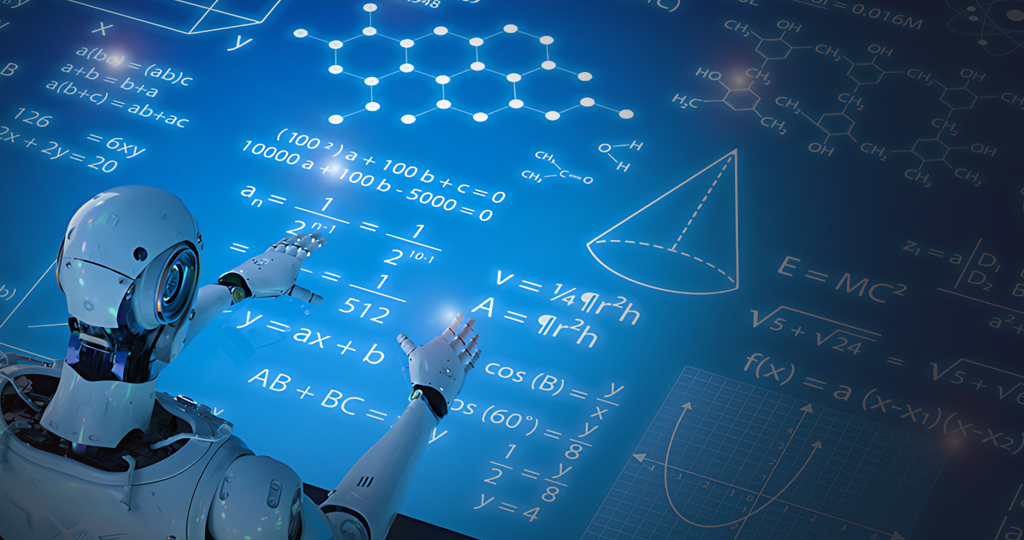
The rapid evolution of artificial intelligence is reshaping how students and educators approach science, technology, engineering, and mathematics. As digital learning platforms and intelligent systems become more prevalent, the use of automated feedback in STEM education is gaining momentum. This approach leverages AI to deliver timely, personalized responses to student work, helping learners understand concepts, correct mistakes, and build confidence in complex subjects.
AI-powered feedback systems are not only transforming assessment but also making it possible for instructors to focus on higher-level teaching tasks. By automating routine grading and providing instant, targeted suggestions, these tools can bridge learning gaps and foster a more engaging, adaptive classroom environment. For those interested in the broader impact of AI in technical fields, the article on how AI identifies the type of fuel used in a missile launch offers further insights into machine learning applications beyond education.
The Role of AI in Delivering Instant Feedback
One of the most significant advantages of integrating AI into STEM instruction is the ability to provide immediate, automated responses to student submissions. Traditional grading methods often delay feedback, which can hinder a learner’s ability to correct misunderstandings in real time. AI-driven platforms, however, analyze responses as soon as they are submitted, offering suggestions, hints, or corrections within seconds.
This rapid turnaround is particularly valuable in subjects like mathematics and computer science, where step-by-step problem solving is essential. Automated systems can highlight errors in calculations, suggest alternative approaches, or even provide additional practice problems tailored to a student’s specific needs. As a result, learners receive the support they need exactly when it is most impactful.

Personalization and Adaptive Learning in STEM
Beyond speed, automated feedback in STEM education enables a level of personalization that is difficult to achieve with manual grading alone. AI algorithms can analyze patterns in student performance, identifying strengths and weaknesses across various topics. Based on this data, the system can adapt the feedback and learning materials provided to each individual.
For example, if a student consistently struggles with a particular type of physics problem, the AI can recommend targeted resources or adjust the difficulty of subsequent questions. This adaptive approach not only helps students master challenging concepts but also keeps them motivated by ensuring that assignments remain within their zone of proximal development.
Adaptive feedback systems are also capable of tracking progress over time, giving both students and teachers valuable insights into learning trajectories. This data-driven approach supports differentiated instruction and helps educators intervene early when students are at risk of falling behind.
Enhancing Engagement and Reducing Instructor Workload
The integration of AI-powered feedback tools in STEM classrooms can significantly enhance student engagement. By providing instant, constructive responses, these systems encourage learners to experiment, make mistakes, and try again without fear of judgment or delay. This iterative process is crucial for building problem-solving skills and fostering a growth mindset.
At the same time, automated grading and feedback reduce the administrative burden on instructors. Teachers can spend less time on repetitive tasks and more time on lesson planning, mentoring, and supporting students who need extra help. This shift allows for a more balanced and effective teaching approach, benefiting both educators and learners.

Challenges and Considerations for Implementation
While the benefits of automated feedback in STEM education are substantial, there are important challenges to address. Ensuring the accuracy and fairness of AI-generated responses is critical, especially when dealing with open-ended questions or creative problem-solving tasks. Developers must train algorithms on diverse datasets to minimize bias and ensure that feedback is relevant to students from different backgrounds.
Privacy and data security are also key concerns. As AI systems collect and analyze large volumes of student data, educational institutions must implement robust safeguards to protect sensitive information. Transparency in how feedback is generated and how data is used is essential for building trust among students, parents, and educators.
Additionally, it is important to recognize that AI should complement, not replace, human instruction. The most effective learning environments blend automated tools with teacher guidance, ensuring that students receive both personalized support and the social-emotional benefits of human interaction.
Real-World Applications and Future Directions
Schools and universities around the world are already adopting AI-driven feedback systems in STEM courses. From intelligent tutoring platforms that guide students through complex math problems to automated code review tools in computer science, the possibilities are expanding rapidly. These technologies are making high-quality, individualized instruction more accessible than ever before.
Looking ahead, advances in natural language processing and machine learning will further enhance the sophistication of automated feedback. Future systems may be able to evaluate written explanations, provide nuanced suggestions for improvement, and even facilitate collaborative problem-solving among students.
For a broader perspective on how AI is transforming education, the article exploring artificial intelligence in education provides an in-depth look at current trends and future possibilities.
Integrating Automated Feedback with Broader AI Initiatives
The use of AI for feedback in STEM is part of a larger movement toward intelligent, data-driven education. As schools adopt more advanced technologies, they are also exploring related applications such as anomaly detection in sensor data, as discussed in the piece on how AI detects subtle anomalies in sensor telemetry. These innovations highlight the potential for AI to enhance both teaching and research across technical disciplines.
By embracing automated feedback and other AI-powered tools, educational institutions can better prepare students for the demands of modern STEM careers. The ability to learn independently, adapt to new challenges, and leverage technology effectively will be essential skills in the years ahead.
FAQ: Automated Feedback and AI in STEM Learning
How does automated feedback improve student outcomes in STEM subjects?
Automated feedback systems provide immediate, personalized responses to student work, allowing learners to quickly identify and correct mistakes. This timely support helps reinforce concepts, increases engagement, and enables students to progress at their own pace.
What are the limitations of using AI for feedback in STEM education?
While AI can efficiently handle structured tasks and provide targeted suggestions, it may struggle with open-ended questions or creative assignments. Ensuring fairness, minimizing bias, and maintaining data privacy are ongoing challenges that require careful attention from educators and developers.
Can automated feedback replace human teachers in STEM classrooms?
AI-powered feedback is designed to supplement, not replace, human instruction. The most effective learning environments combine automated tools with teacher guidance, ensuring that students benefit from both personalized support and meaningful human interaction.