

The integration of AI in order fulfillment is revolutionizing how businesses manage logistics and deliveries. By leveraging artificial intelligence, companies can enhance the speed and accuracy of their delivery processes, leading to improved customer satisfaction and operational efficiency. This guide explores how AI technologies are transforming the fulfillment landscape, offering insights into practical applications and benefits.
As AI continues to evolve, its role in logistics and supply chain management becomes increasingly significant. From predictive analytics to automated sorting systems, AI is enabling businesses to streamline operations and reduce errors. For those interested in the broader implications of AI, exploring topics like how AI identifies missile launch signatures from space can provide additional context on its capabilities.
Enhancing Efficiency with AI
One of the primary advantages of implementing AI in logistics is the significant boost in efficiency. AI systems can analyze vast amounts of data to optimize routes, predict demand, and manage inventory levels. This not only reduces delivery times but also minimizes costs associated with fuel and labor.
For instance, AI-driven software can dynamically adjust delivery routes in real-time based on traffic conditions and weather forecasts. This adaptability ensures that deliveries are not only faster but also more reliable, reducing the likelihood of delays.
Improving Accuracy in Deliveries
Accuracy is crucial in order fulfillment, and AI technologies play a pivotal role in minimizing errors. Machine learning algorithms can identify patterns and anomalies in data, allowing businesses to predict potential issues before they occur. This proactive approach helps in maintaining high standards of accuracy in deliveries.
Moreover, AI-powered systems can automate the sorting and packaging processes, ensuring that each order is correctly assembled and labeled. This reduces the risk of human error, which is often a significant factor in order inaccuracies.
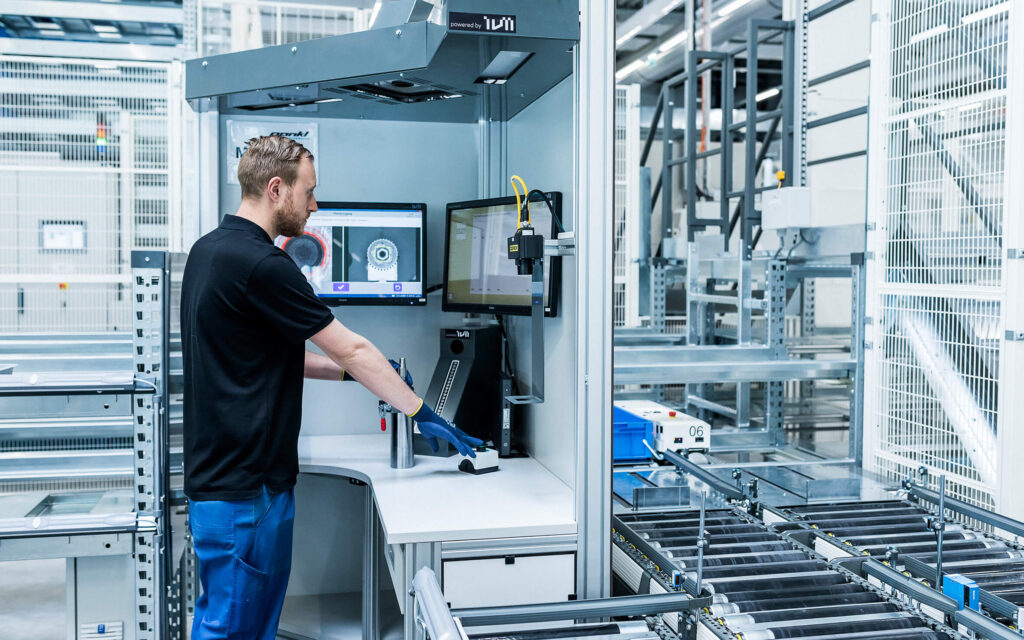
AI’s Role in Predictive Analytics
Predictive analytics is another area where AI is making a significant impact. By analyzing historical data, AI systems can forecast future trends and demand patterns. This capability allows businesses to prepare for fluctuations in demand, ensuring that they have the right products available at the right time.
For example, during peak shopping seasons, AI can help retailers anticipate increased demand for specific products, allowing them to adjust their inventory levels accordingly. This foresight reduces the risk of stockouts and overstock situations, both of which can negatively impact a business’s bottom line.
Integrating AI with Existing Systems
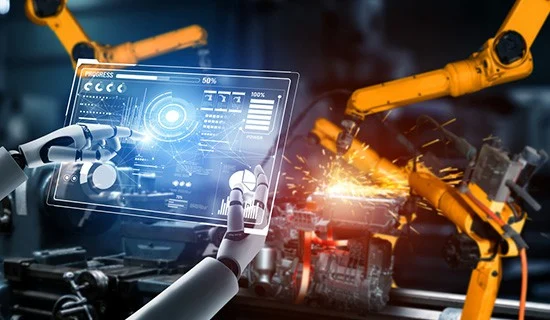
Integrating AI with existing order fulfillment systems can seem daunting, but it is a necessary step for businesses looking to stay competitive. Many companies start by incorporating AI into specific areas such as inventory management or customer service, gradually expanding its use across the entire supply chain.
For those interested in learning more about AI’s broader applications, exploring resources like AI in manufacturing can provide valuable insights into how these technologies are reshaping industries worldwide.
FAQs
How does AI improve order fulfillment processes?
AI enhances order fulfillment by optimizing routes, predicting demand, and automating sorting and packaging, leading to faster and more accurate deliveries.
What are the benefits of using AI in logistics?
AI offers numerous benefits in logistics, including improved efficiency, reduced costs, enhanced accuracy, and the ability to predict future trends and demands.
Can AI be integrated with existing fulfillment systems?
Yes, AI can be integrated with existing systems, often starting with specific areas like inventory management and gradually expanding to cover the entire supply chain.