

The integration of AI in engineering design education is rapidly transforming how future engineers learn, create, and innovate. Artificial intelligence is no longer just a buzzword in tech circles—it’s becoming a core part of the educational experience in engineering programs worldwide. As industries demand more adaptive and tech-savvy professionals, universities and technical schools are embracing AI-powered tools to enhance learning, foster creativity, and prepare students for the evolving landscape of engineering design.
From automating complex simulations to providing personalized feedback, AI is reshaping the way students approach design challenges. This article explores the key roles artificial intelligence plays in engineering education, the benefits and challenges it brings, and practical ways educators and students can harness its power. For those interested in the broader impact of AI on defense and aerospace, you may also want to read about how AI manages the transition from detection to engagement in advanced systems.
The Role of Artificial Intelligence in Modern Engineering Curricula
AI-driven technologies are now integral to many engineering classrooms and labs. These tools range from intelligent tutoring systems that adapt to individual learning styles to advanced design software that leverages machine learning for optimization and simulation. By incorporating AI in engineering design education, institutions are able to provide students with hands-on experience using the same tools they will encounter in their professional careers.
Some universities have introduced AI-powered platforms that guide students through the design process, offering real-time suggestions and highlighting potential improvements. These systems not only accelerate learning but also encourage deeper understanding by allowing students to experiment and iterate with immediate feedback.
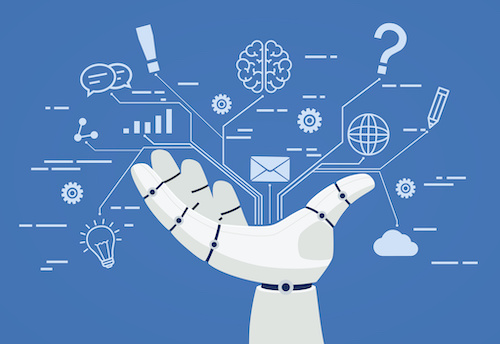
Key Benefits of Integrating AI Tools in Engineering Design Learning
The adoption of AI in educational settings brings several notable advantages:
- Personalized Learning: AI systems can analyze student performance and tailor content, exercises, and feedback to individual needs, helping learners progress at their own pace.
- Enhanced Creativity: By automating routine calculations and simulations, AI frees students to focus on creative problem-solving and innovative design thinking.
- Real-World Experience: Exposure to AI-powered design tools mirrors industry practices, making graduates more employable and ready for the demands of modern engineering roles.
- Efficient Assessment: Automated grading and feedback systems allow instructors to spend more time mentoring and less on administrative tasks.
Furthermore, AI can support collaborative projects by facilitating communication, tracking contributions, and suggesting ways to improve teamwork. These benefits are especially valuable in multidisciplinary design courses, where students must integrate knowledge from various fields.
Challenges and Considerations When Using AI in Engineering Education
While the advantages are significant, there are also challenges to consider when implementing AI in academic settings. One of the primary concerns is ensuring that students develop a solid foundation in engineering principles, rather than relying solely on automated tools. Educators must strike a balance between leveraging AI for efficiency and maintaining rigorous standards for critical thinking and problem-solving.
Other challenges include:
- Accessibility: Not all students or institutions have equal access to advanced AI resources, potentially widening the digital divide.
- Data Privacy: AI systems often require large amounts of student data, raising questions about privacy and ethical use.
- Instructor Training: Faculty must be equipped with the skills to effectively integrate AI tools into their teaching methods.
Addressing these issues requires thoughtful planning, clear guidelines, and ongoing support for both students and educators.
Practical Applications: How AI Is Used in Engineering Design Classrooms
The practical use of AI in engineering design education is evident in a variety of classroom and project settings. For example, generative design software powered by machine learning can automatically propose multiple design alternatives based on input parameters, allowing students to evaluate and compare solutions efficiently.
Simulation tools enhanced with AI can predict the behavior of structures or systems under different conditions, helping students visualize complex concepts that would be difficult to grasp through theory alone. Additionally, AI-driven project management platforms can help teams organize tasks, monitor progress, and identify potential bottlenecks in collaborative assignments.
For those interested in the broader educational impact of artificial intelligence, Intel’s overview of AI in education provides further insights into how these technologies are shaping learning across disciplines.
Preparing Students for the Future with AI-Enhanced Design Skills
As the engineering profession evolves, the ability to work alongside intelligent systems is becoming a core competency. By integrating AI into design education, institutions are not only teaching technical skills but also fostering adaptability, digital literacy, and lifelong learning habits.
Students who graduate with experience in AI-assisted design are better prepared for roles in industries such as aerospace, automotive, civil infrastructure, and robotics. They are also more likely to contribute to the ongoing development of smarter, more sustainable solutions to global challenges.
To maximize the benefits, educators should encourage students to critically assess AI-generated outputs, understand the underlying algorithms, and remain mindful of the ethical implications of their work. This approach ensures that graduates are not just users of technology, but thoughtful innovators who can shape the future of engineering.
Frequently Asked Questions
How does AI personalize learning in engineering design courses?
AI systems can analyze student data to identify strengths and areas for improvement. Based on this analysis, the technology adapts lessons, suggests targeted exercises, and provides instant feedback. This personalized approach helps students master complex concepts at their own pace and receive support tailored to their unique learning needs.
What are some examples of AI-powered tools used in engineering education?
Common examples include generative design software, intelligent tutoring systems, automated grading platforms, and simulation tools that use machine learning to predict outcomes. These applications help students explore multiple design options, visualize results, and receive immediate feedback on their work.
Are there any risks associated with relying on AI in engineering design education?
While AI offers many benefits, overreliance can lead to gaps in foundational knowledge if students depend too heavily on automated solutions. It’s important for educators to balance the use of AI with traditional teaching methods, ensuring that students develop strong problem-solving and critical thinking skills alongside technical proficiency.