
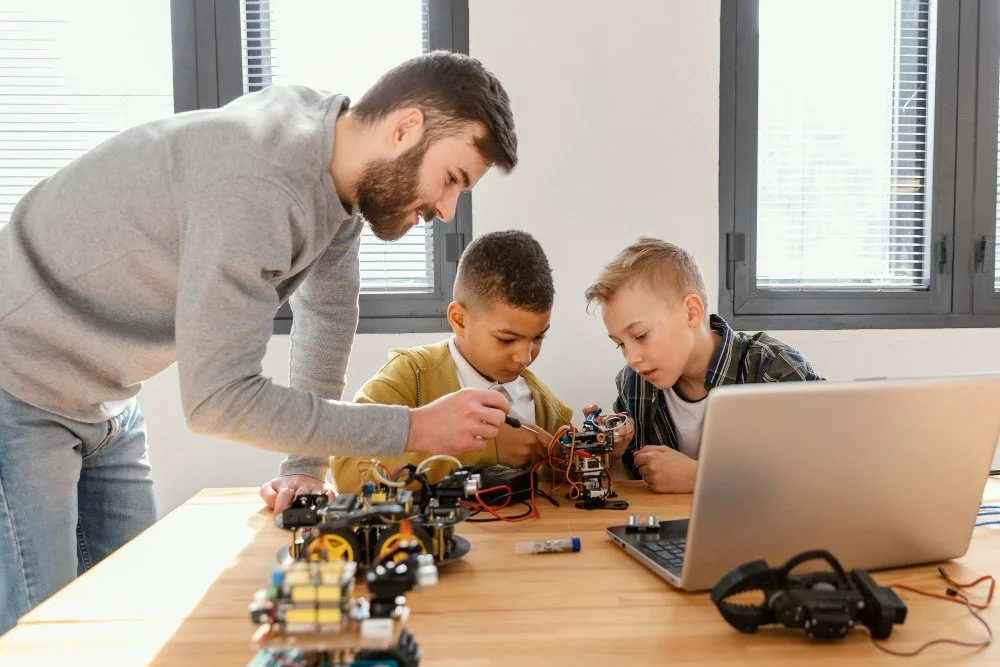
Artificial intelligence is transforming education, and one of the most exciting ways students are engaging with this technology is through AI competitions for students. These events offer hands-on experience, foster teamwork, and challenge participants to solve real-world problems using machine learning, data science, and related fields. Whether you’re a high schooler curious about coding or a university student looking to deepen your technical skills, these contests can be a valuable stepping stone.
For schools and educators, integrating such events into the curriculum or extracurricular activities can boost interest in STEM and prepare learners for careers in technology. If you’re interested in the broader context of how artificial intelligence is being implemented in educational settings, you might find the discussion on AI infrastructure for STEM schools helpful.
What Are AI Challenges for Students?
AI-focused contests are organized events where individuals or teams tackle problems that require artificial intelligence solutions. These can range from image recognition and natural language processing to robotics and predictive analytics. The format varies: some are online hackathons, others are in-person tournaments, and many are hosted by universities, tech companies, or nonprofit organizations.
The main goal is to encourage students to apply theoretical knowledge to practical tasks. Participants often use programming languages like Python, work with datasets, and leverage platforms such as TensorFlow or PyTorch. These experiences help bridge the gap between classroom learning and industry needs.
Types of AI Competitions for Young Innovators
There are several formats and levels of AI competitions for students, each catering to different age groups and skill levels:
- Online Data Science Challenges: Platforms like Kaggle and DrivenData host open contests where students analyze datasets and build predictive models.
- Robotics Tournaments: Events such as FIRST Robotics or RoboCup combine AI with engineering, requiring teams to build and program autonomous robots.
- Hackathons: These time-limited events encourage rapid prototyping and creative problem-solving, often with a focus on social good or specific industries.
- University and High School Olympiads: Academic institutions frequently organize AI and computer science olympiads, testing both theoretical and practical knowledge.
Many of these contests are open to international participants, providing a global platform for students to showcase their abilities and learn from peers worldwide.
Benefits of Participating in AI Student Contests
Engaging in these events offers a range of advantages beyond technical skill-building:
- Real-World Problem Solving: Students tackle authentic challenges, such as predicting disease outbreaks or optimizing transportation routes.
- Teamwork and Communication: Most competitions require collaboration, helping participants develop soft skills essential for future careers.
- Portfolio Development: Completing projects in a competitive setting allows students to build a portfolio that stands out in university or job applications.
- Networking Opportunities: Many events connect students with mentors, industry professionals, and like-minded peers.
- Recognition and Scholarships: Top performers often receive awards, scholarships, or internship opportunities.
How to Get Started with AI Challenges
For students interested in joining their first AI contest, here are some practical steps:
- Build Foundational Skills: Learn programming basics (Python is widely used), explore introductory AI and machine learning concepts, and practice with small datasets.
- Join Online Communities: Participate in forums, Discord groups, or local clubs focused on AI and coding.
- Explore Available Competitions: Research events that match your skill level and interests. Many platforms offer beginner-friendly challenges.
- Form or Join a Team: Collaboration can make the experience more rewarding and less intimidating for newcomers.
- Review Past Problems: Studying previous competitions can help you understand the types of tasks and solutions expected.
Educators can support students by integrating AI projects into coursework or encouraging participation in relevant events. For more on how schools can effectively bring artificial intelligence into the classroom, see the guide on AI implementation strategies for schools.
Popular Events and Resources
Some of the most recognized AI contests for students include:
- Kaggle Competitions: Open to all skill levels, with a large community and extensive learning resources.
- FIRST Tech Challenge: Focuses on robotics and AI for middle and high school students.
- Google AI Challenge: Periodically organized, offering unique problems and significant exposure.
- RoboCup Junior: Designed for younger students, emphasizing teamwork and creativity in robotics.
For those interested in the academic impact of these activities, a recent study on the educational benefits of AI competitions explores how participation can enhance learning outcomes and motivation.
Challenges and Considerations for Participants
While these events offer many benefits, there are also challenges to consider:
- Resource Access: Some students may lack access to high-performance computers or reliable internet, which can limit participation in certain contests.
- Skill Gaps: Beginners might find the technical requirements daunting. Many platforms, however, offer tutorials and beginner tracks to help bridge this gap.
- Time Commitment: Preparing for and participating in these events can be time-consuming, especially for students balancing other academic responsibilities.
- Team Dynamics: Working in a group can sometimes lead to conflicts or uneven workload distribution. Clear communication and defined roles help mitigate these issues.
Addressing these challenges requires support from educators, parents, and event organizers. Schools can help by providing resources, mentorship, and encouragement, ensuring that students from diverse backgrounds have the opportunity to participate.
Frequently Asked Questions
What skills do I need to join an AI competition as a student?
Most contests require basic programming knowledge, usually in Python, and a foundational understanding of mathematics and statistics. Some events are beginner-friendly, while others expect experience with machine learning frameworks or data analysis.
Are there AI contests specifically for high school students?
Yes, many organizations run events tailored for younger participants, such as FIRST Robotics, RoboCup Junior, and various online hackathons. These are designed to introduce students to artificial intelligence in an accessible way.
How can schools support participation in AI-focused events?
Schools can encourage involvement by offering clubs, providing access to resources, integrating AI projects into the curriculum, and connecting students with mentors. For more on this, explore the article on AI and learning outcomes in STEM.
What are some common misconceptions about AI competitions?
A frequent misconception is that only advanced students can participate. In reality, many events are designed for beginners, and teamwork often allows participants to learn as they go. For a deeper look at misunderstandings in this area, see the overview of AI misconceptions in education.
AI competitions for students are a dynamic way to inspire the next generation of innovators, offering practical experience, recognition, and a pathway to future careers in technology. With the right support and resources, students from all backgrounds can benefit from these engaging opportunities.