
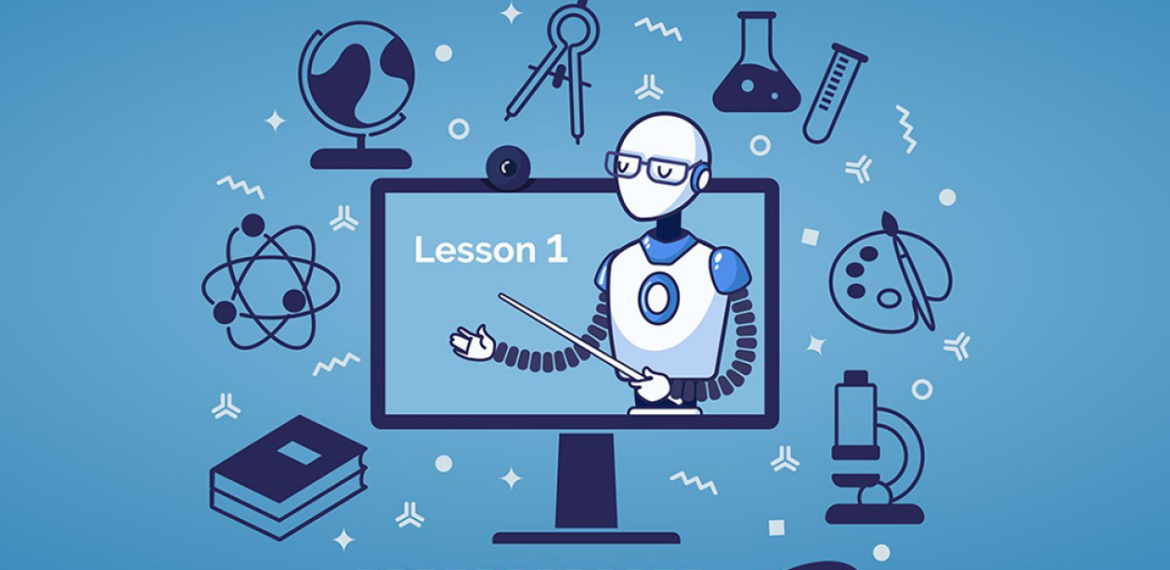
The rapid growth of artificial intelligence is transforming how students learn, especially in science, technology, engineering, and mathematics. AI based personalized learning is at the forefront of this shift, offering tailored educational experiences that adapt to individual needs, strengths, and learning speeds. As digital classrooms and intelligent tutoring systems become more common, educators and students alike are discovering new ways to approach complex STEM subjects with greater efficiency and engagement.
This article explores how machine learning and data-driven platforms are reshaping STEM education. We’ll look at the core technologies, practical benefits, and challenges of implementing adaptive learning systems. For those interested in broader AI applications, you might also find value in our guide on how AI identifies the type of fuel used in a missile launch.
Understanding Adaptive Education in STEM
At its core, AI based personalized learning leverages algorithms to analyze student data and adjust instruction in real time. Unlike traditional classroom models, where all students follow the same curriculum at the same pace, adaptive systems offer a more individualized path. This is particularly valuable in STEM fields, where foundational concepts often build on one another and gaps in understanding can quickly compound.
Intelligent platforms can track how a learner interacts with content, which problems they struggle with, and how quickly they master new skills. Based on this information, the system can recommend targeted exercises, provide instant feedback, or even suggest alternative explanations. This approach not only helps students stay engaged but also allows teachers to focus their attention where it’s needed most.
How AI Enhances Student Engagement and Outcomes
One of the main advantages of adaptive learning in STEM is its ability to maintain student motivation. By presenting challenges that are neither too easy nor too difficult, these systems keep learners in their optimal zone of development. For example, a student struggling with algebraic concepts might receive additional practice problems and video explanations, while another who excels could be introduced to more advanced topics.
Research shows that students using adaptive platforms often demonstrate improved retention and higher test scores. The immediate feedback provided by these systems helps correct misunderstandings before they become ingrained. Additionally, teachers gain access to detailed analytics, allowing them to identify trends and intervene early when students are at risk of falling behind.
Core Technologies Powering Personalized STEM Learning
Several key technologies drive the effectiveness of AI based personalized learning in STEM:
- Machine Learning Algorithms: These models analyze vast amounts of student data to predict learning needs and recommend resources.
- Natural Language Processing (NLP): NLP enables platforms to interpret student questions, provide detailed explanations, and even grade open-ended responses.
- Recommendation Engines: Similar to those used by streaming services, these engines suggest the next best activity or lesson based on a learner’s progress.
- Data Visualization Tools: Dashboards help teachers and students track progress, identify strengths and weaknesses, and set personalized goals.
These technologies work together to create a dynamic, responsive learning environment that evolves with each student’s journey.
Real-World Examples and Applications
Schools and universities worldwide are adopting adaptive learning platforms to enhance STEM education. For instance, some high school math programs use AI tutors that adjust problem sets in real time, while university-level engineering courses may incorporate intelligent simulations that adapt to a student’s skill level. These tools are not only improving academic results but also making STEM subjects more accessible to a diverse range of learners.
For those interested in the broader impact of artificial intelligence, consider exploring how these technologies are also being used in fields such as defense and aerospace. Our article on the impact of AI on interceptor hit-to-kill probability offers further insights into advanced AI applications.
Challenges and Considerations in Implementing Adaptive Systems
While the benefits of AI based personalized learning are clear, there are important considerations for educators and administrators. Data privacy is a top concern, as these systems rely on collecting and analyzing sensitive student information. Ensuring that platforms comply with regulations and maintain robust security protocols is essential.
Another challenge is the need for high-quality, diverse content that can be adapted to different learning styles and backgrounds. Not all subjects or skills lend themselves equally well to algorithmic personalization, and human oversight remains critical to ensure that technology complements, rather than replaces, effective teaching.
Finally, there is the issue of accessibility. While adaptive platforms can help bridge achievement gaps, they also require reliable internet access and digital literacy skills, which are not universally available. Addressing these barriers is key to ensuring that all students can benefit from the advantages of AI-driven education.
Future Directions for Personalized STEM Education
The future of adaptive learning in STEM looks promising. As AI technologies continue to evolve, we can expect even more sophisticated systems capable of understanding not just what a student knows, but how they think and learn best. This could lead to truly individualized educational pathways, with real-time adjustments for every learner.
Partnerships between educators, technologists, and policymakers will be crucial in shaping the next generation of learning tools. For a deeper dive into how AI is being used across different sectors, the role of artificial intelligence in education is explored in detail by leading industry experts.
Frequently Asked Questions
How does adaptive learning differ from traditional teaching in STEM?
Adaptive learning uses algorithms to tailor instruction to each student’s needs, providing personalized feedback and resources. Traditional teaching typically follows a fixed curriculum, with less flexibility to address individual strengths or gaps.
What are the main benefits of using AI in STEM education?
Key benefits include improved engagement, higher retention rates, and the ability to identify and address learning gaps early. Adaptive platforms also free up teachers to focus on mentoring and complex problem-solving.
Are there risks associated with data privacy in AI-driven classrooms?
Yes, data privacy is a significant concern. It’s important for schools and providers to use secure systems, comply with regulations, and ensure that student information is protected at all times.