

Artificial intelligence is rapidly changing how organizations approach talent, skills, and the future of work. As businesses and educational institutions adapt to new technologies, understanding the relationship between AI and workforce development has become essential. This article explores how artificial intelligence is shaping job training, skill requirements, and the evolution of workplace roles, offering practical insights for employers, employees, and educators.
The integration of AI into various industries is not just about automation—it’s about empowering people to work smarter, adapt to new challenges, and unlock new opportunities. By examining the impact of AI on training programs, job design, and lifelong learning, we can better prepare for a future where technology and human talent work hand in hand.
For those interested in the technical side of AI in operational environments, you may also want to explore how ai manages the transition from detection to engagement for a deeper dive into applied artificial intelligence.
The Evolving Landscape of Skills and Training
The rise of artificial intelligence is reshaping the skills that employers seek. Traditional job roles are being redefined, and new positions are emerging that require a blend of technical and soft skills. As a result, workforce development strategies must evolve to keep pace with these changes.
Organizations are increasingly focusing on upskilling and reskilling their employees. This means providing opportunities for workers to learn new competencies that align with the demands of an AI-driven economy. For example, data literacy, critical thinking, and adaptability are now considered essential attributes alongside technical expertise.
Educational institutions and training providers are also adapting their curricula to include AI-related topics. From introductory courses on machine learning to hands-on workshops in automation tools, the goal is to equip learners with the knowledge and confidence to thrive in a technology-rich workplace.
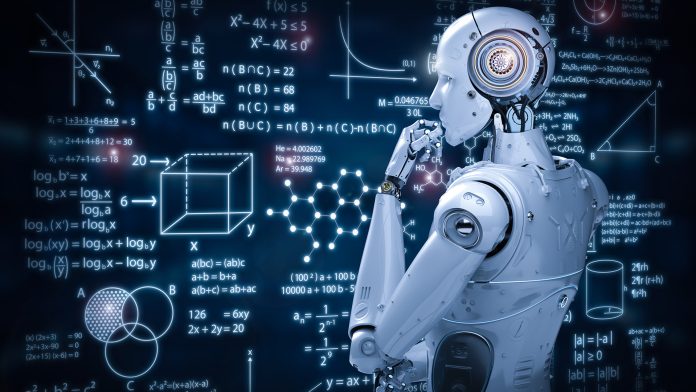
How Artificial Intelligence Supports Workforce Development
AI technologies are not just transforming jobs—they are also enhancing the way people learn and grow professionally. Here are some of the ways AI is supporting workforce development initiatives:
- Personalized Learning: AI-powered platforms can assess individual skill levels and recommend customized training paths, ensuring that employees receive relevant and effective instruction.
- Automated Assessments: Intelligent systems can evaluate progress and provide instant feedback, helping learners identify strengths and areas for improvement.
- Career Pathing: By analyzing workforce data, AI can suggest potential career trajectories and highlight emerging roles that match an individual’s skills and interests.
- Efficient Recruitment: AI-driven tools streamline the hiring process by matching candidates to job requirements, reducing bias, and identifying the best fit for open positions.
These advancements allow organizations to build agile teams that can respond quickly to changing business needs. Employees benefit from more engaging and relevant training experiences, while employers gain a workforce that is better prepared for the future.
Challenges and Considerations in AI-Driven Workforce Strategies
While the benefits of integrating AI into workforce development are significant, there are also challenges to address. One major concern is the potential for job displacement as automation takes over routine tasks. However, research suggests that while some roles may become obsolete, new opportunities will arise that require different skill sets.
To navigate this transition, organizations must prioritize transparency and communication. Employees should be informed about how AI will impact their roles and what steps they can take to remain valuable contributors. Providing access to continuous learning and professional development is key to building a resilient workforce.
Another consideration is the ethical use of AI in hiring and training. Ensuring that algorithms are free from bias and that data privacy is respected is essential for maintaining trust and fairness in the workplace.

Real-World Applications of AI in Workforce Development
Across industries, organizations are leveraging artificial intelligence to improve workforce outcomes. In manufacturing, predictive maintenance powered by AI helps reduce downtime and train workers on new equipment. In healthcare, intelligent scheduling systems optimize staff allocation and support ongoing education for medical professionals.
Retailers use AI to analyze customer data, forecast demand, and train employees in customer service best practices. Even in education, adaptive learning platforms adjust content to suit each student’s pace and learning style, preparing graduates for a workforce shaped by technology.
For a broader perspective on how AI is influencing education and skill-building, the role of AI in education is a valuable resource that highlights current trends and future directions.
Preparing for the Future: Strategies for Success
To fully realize the benefits of AI-enhanced workforce development, organizations and individuals must adopt proactive strategies. Here are some practical steps to consider:
- Invest in Lifelong Learning: Encourage employees to pursue ongoing education, whether through formal courses, micro-credentials, or on-the-job training.
- Foster a Culture of Adaptability: Promote openness to change and experimentation, allowing teams to embrace new tools and processes as they emerge.
- Collaborate Across Departments: Break down silos by involving HR, IT, and business leaders in workforce planning and technology adoption.
- Monitor Industry Trends: Stay informed about advances in AI and automation to anticipate future skill requirements and adjust development programs accordingly.
By taking these steps, organizations can build a workforce that is not only prepared for technological disruption but also positioned to lead in an increasingly digital economy.
Frequently Asked Questions
How does AI impact job opportunities and career growth?
AI is transforming the job market by automating repetitive tasks and creating demand for new skills. While some traditional roles may decline, many new opportunities are emerging in areas such as data analysis, AI system management, and digital transformation. Continuous learning and adaptability are key to career growth in this environment.
What skills are most important for success in an AI-driven workplace?
In addition to technical skills like programming and data analysis, employers value critical thinking, problem-solving, and communication abilities. Flexibility and a willingness to learn are also crucial, as technology and job requirements continue to evolve.
How can organizations ensure fair and ethical use of AI in workforce development?
To promote fairness, organizations should regularly audit AI systems for bias, maintain transparency about how algorithms are used, and protect employee data privacy. Involving diverse stakeholders in the design and implementation of AI-driven programs can help ensure ethical outcomes.