

AI and robotics clubs in schools are transforming the way students engage with technology, problem-solving, and future career paths. As artificial intelligence and robotics become increasingly relevant in everyday life, these extracurricular groups offer hands-on experience and foster essential skills for the next generation. Whether in elementary, middle, or high school, such clubs provide a collaborative environment where young learners can explore coding, engineering, and digital creativity beyond the standard curriculum.
The rise of these clubs reflects a broader shift in education, where practical exposure to emerging technologies is just as important as theoretical knowledge. By joining these clubs, students not only learn about algorithms and mechanical design but also develop teamwork, critical thinking, and project management abilities. For educators and parents, understanding the value and structure of these clubs is key to supporting students’ interests and preparing them for a rapidly evolving world.
For those interested in the intersection of artificial intelligence and defense technology, you might find insights in how AI manages the transition from detection to engagement, which explores advanced applications of AI in real-world scenarios.
What Are AI and Robotics Clubs?
These clubs are extracurricular groups within schools that focus on exploring artificial intelligence, robotics, and related fields. Students participate in activities such as building robots, programming AI models, and competing in local or national competitions. The clubs often use popular platforms like LEGO Mindstorms, Arduino, Raspberry Pi, and various coding languages to teach foundational concepts.
Participation is typically voluntary, and clubs may meet after school or during lunch breaks. Some are student-led, while others are guided by teachers or mentors with backgrounds in STEM (science, technology, engineering, and mathematics). The primary goal is to provide a supportive space for experimentation, learning, and innovation outside the traditional classroom setting.
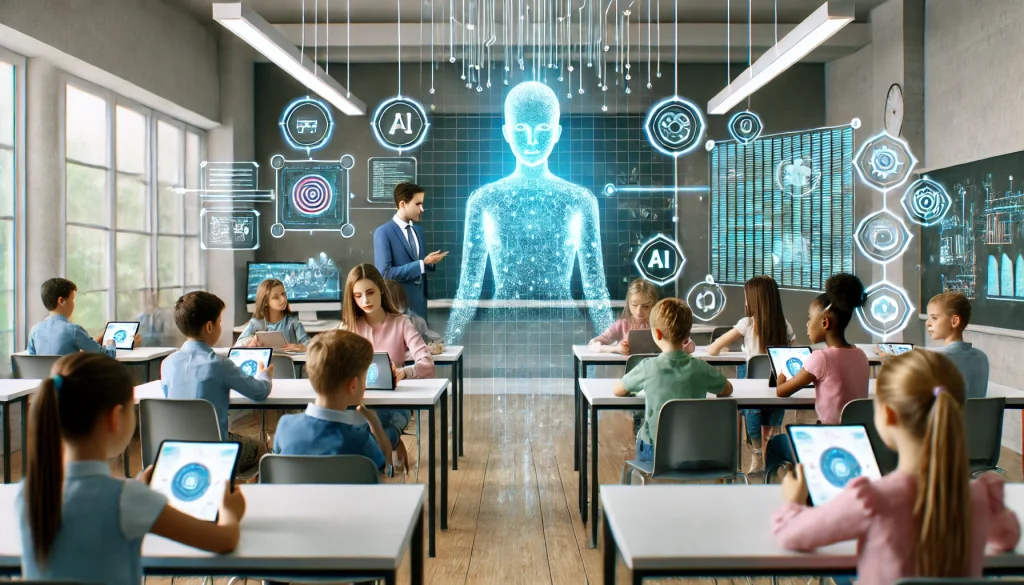
Why Schools Are Embracing Technology Clubs
The integration of AI and robotics clubs in schools is driven by several factors. First, there is a growing demand for digital literacy and STEM skills in the workforce. By introducing students to these fields early, schools help bridge the gap between education and future job requirements. Second, these clubs encourage curiosity and creativity, allowing students to pursue their interests in a structured yet flexible environment.
Another important reason is the collaborative nature of these clubs. Students learn to work in teams, share ideas, and solve complex problems together. This not only enhances technical skills but also builds confidence and communication abilities. As technology evolves, schools recognize the importance of preparing students to adapt and thrive in a digital world.
Core Activities and Learning Outcomes
The activities in these clubs are diverse and tailored to different age groups and skill levels. Common projects include:
- Designing and building robots for specific tasks or competitions
- Programming AI models to perform image recognition, speech processing, or simple decision-making
- Participating in national and international contests such as FIRST Robotics, VEX Robotics, or AI coding challenges
- Collaborating on group projects that integrate hardware and software
- Inviting guest speakers or organizing field trips to local tech companies or universities
Through these activities, students gain practical experience in coding, electronics, and engineering. They also develop soft skills like leadership, project management, and resilience in the face of challenges. Many clubs encourage students to present their work, fostering public speaking and presentation abilities.

Benefits of AI and Robotics Clubs for Students
Joining a technology-focused club offers a wide range of benefits for students:
- Early exposure to advanced technology: Students learn about AI concepts and robotics hardware before these topics are formally introduced in the curriculum.
- Career exploration: Club activities can spark interest in STEM careers and help students make informed decisions about future studies.
- Teamwork and leadership: Working in groups helps students develop interpersonal skills and take on leadership roles.
- Problem-solving: Tackling real-world challenges encourages creative thinking and perseverance.
- Recognition and achievement: Competitions and showcases provide opportunities for students to gain recognition for their efforts and accomplishments.
These benefits extend beyond academics, helping students build a well-rounded skill set that is valuable in any field.
How Schools Can Start Their Own Clubs
Establishing a successful club requires planning, resources, and community support. Here are some practical steps for schools interested in launching their own group:
- Identify interested students and staff: Start by gauging interest among students and finding teachers or volunteers with relevant expertise.
- Secure funding and resources: Look for grants, sponsorships, or donations to purchase equipment such as robotics kits, computers, and software licenses.
- Set clear goals and structure: Define the club’s mission, meeting schedule, and project timeline. Decide whether the club will focus on competitions, open-ended projects, or a mix of both.
- Promote inclusivity: Encourage participation from students of all backgrounds and skill levels. Offer beginner workshops to help new members get started.
- Connect with the broader community: Partner with local businesses, universities, or STEM organizations for mentorship, field trips, or guest lectures.
By following these steps, schools can create a vibrant and sustainable club that benefits students for years to come.
Challenges and Considerations
While the advantages are clear, there are also challenges to consider. Funding can be a barrier, especially for schools in under-resourced areas. Access to equipment and ongoing maintenance costs may require creative solutions, such as sharing resources with other schools or seeking support from local businesses.
Another consideration is ensuring that the club remains inclusive and welcoming to all students, regardless of prior experience. Providing mentorship and differentiated instruction can help bridge skill gaps and keep members engaged. Finally, staying up to date with the latest developments in AI and robotics is essential for keeping the club’s activities relevant and exciting.
Connecting Classroom Learning with Real-World Applications
One of the most significant impacts of these clubs is their ability to bridge the gap between classroom theory and practical application. Students see firsthand how concepts from math, science, and technology classes are used to solve real-world problems. This connection deepens understanding and makes learning more meaningful.
For those interested in the broader context of artificial intelligence in education, the Wikipedia article on artificial intelligence in education provides a comprehensive overview of current trends, research, and future directions.
FAQ: Common Questions About School Technology Clubs
What age groups can participate in these clubs?
Most clubs welcome students from a wide range of ages, starting as early as elementary school and continuing through high school. Activities are typically tailored to match the skill level and interests of each group.
Do students need prior experience to join?
No prior experience is necessary. Many clubs offer beginner workshops and mentorship to help new members learn the basics of coding, robotics, and AI. Enthusiasm and curiosity are the most important requirements.
How do these clubs support future career development?
Participation helps students build technical and soft skills valued in many industries. Exposure to real-world projects, teamwork, and competitions can inspire students to pursue further studies or careers in STEM fields.
Are there connections between school clubs and advanced AI applications?
Yes, many of the foundational skills learned in school clubs are directly relevant to advanced applications. For example, understanding how AI identifies patterns or optimizes systems is explored in more depth in resources like benefits of AI for theater-level missile defense.
AI and robotics clubs in schools are more than just extracurricular activities—they are gateways to future innovation, collaboration, and personal growth. By supporting these clubs, schools empower students to become confident, capable, and creative problem-solvers ready to shape tomorrow’s world.