
The integration of AI and blockchain in supply chains is revolutionizing the manufacturing sector, enabling smarter and more efficient operations. These technologies offer significant advantages, including enhanced transparency, improved traceability, and optimized processes. By leveraging AI’s predictive capabilities and blockchain’s secure data handling, manufacturers can achieve unprecedented levels of efficiency and reliability.
As industries continue to evolve, the importance of adopting advanced technologies becomes increasingly apparent. For instance, AI-driven solutions are already being utilized in various sectors to enhance performance and decision-making processes. An example of this can be seen in how AI identifies missile launch signatures from space, showcasing the potential of AI in high-stakes environments.
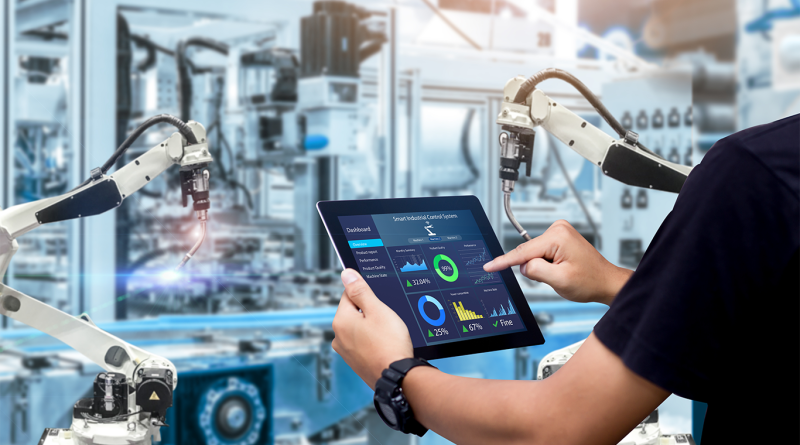
Enhancing Transparency and Traceability
One of the key benefits of integrating AI and blockchain into supply chains is the enhancement of transparency and traceability. Blockchain technology provides a decentralized ledger that records every transaction, ensuring that data is immutable and accessible to all stakeholders. This transparency is crucial for maintaining trust and accountability in supply chain operations.
AI complements this by analyzing data patterns and predicting potential disruptions, allowing companies to proactively address issues before they escalate. This combination of technologies ensures that supply chains are not only transparent but also resilient and adaptive to changes.
Optimizing Supply Chain Operations
AI and blockchain technologies are instrumental in optimizing supply chain operations. AI algorithms can process vast amounts of data to identify inefficiencies and suggest improvements. Meanwhile, blockchain ensures that all data is securely stored and easily accessible, facilitating seamless communication and coordination among supply chain partners.
For example, AI can predict demand fluctuations, enabling manufacturers to adjust production schedules accordingly. This predictive capability helps in reducing waste and improving resource allocation, ultimately leading to cost savings and increased profitability.
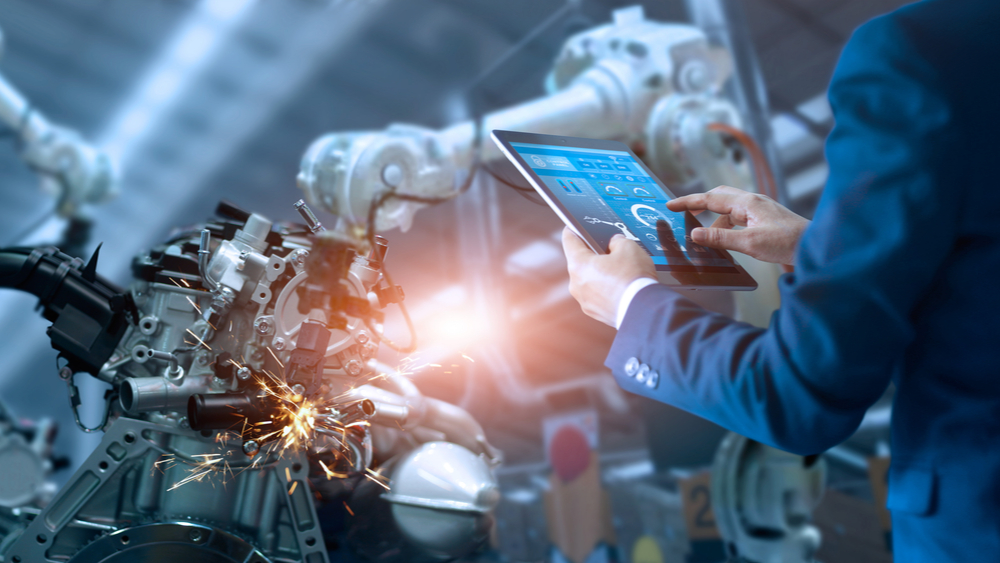
Improving Data Security and Integrity
Data security is a critical concern in supply chain management. Blockchain technology addresses this by providing a secure and tamper-proof platform for data storage. Each transaction is encrypted and linked to the previous one, creating a chain that is extremely difficult to alter.
AI further enhances data security by monitoring for anomalies and potential threats. By combining these technologies, manufacturers can ensure that their data remains secure and that any breaches are quickly identified and addressed.
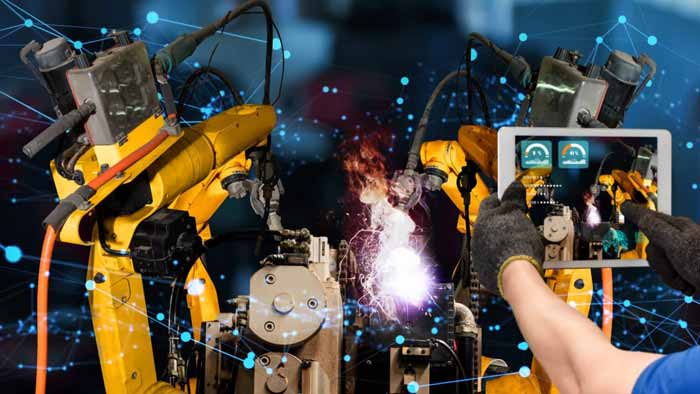
Future Prospects and Challenges
While the benefits of AI and blockchain in supply chains are clear, there are challenges to consider. Implementing these technologies requires significant investment and a shift in organizational culture. Companies must be willing to adapt and invest in training and infrastructure to fully realize the potential of these innovations.
Despite these challenges, the future of manufacturing looks promising with the continued integration of AI and blockchain. As these technologies evolve, they will undoubtedly play a pivotal role in shaping the future of supply chain management.
For more insights into the application of AI in various sectors, consider exploring how AI is transforming manufacturing and other industries.
FAQs
How do AI and blockchain improve supply chain efficiency?
AI and blockchain enhance efficiency by providing predictive analytics and secure data management, allowing for better decision-making and streamlined operations.
What are the main challenges of implementing these technologies?
The primary challenges include the need for substantial investment, changes in organizational culture, and the requirement for specialized training and infrastructure.
Can these technologies be integrated with existing systems?
Yes, AI and blockchain can be integrated with existing systems, but it requires careful planning and execution to ensure compatibility and maximize benefits.