
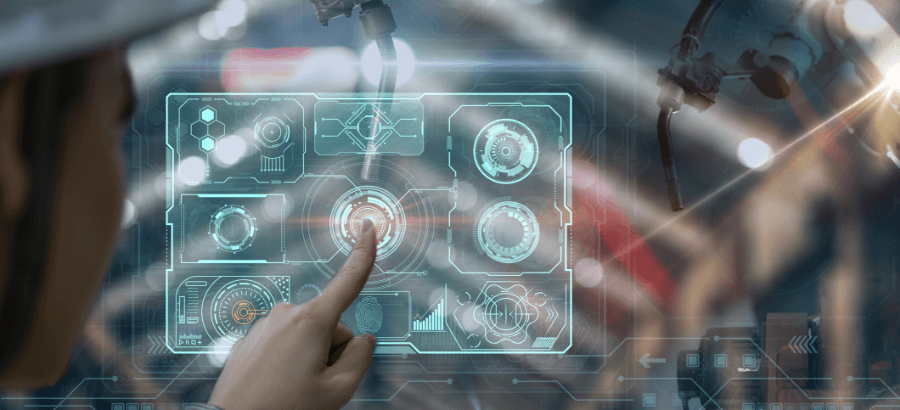
The integration of artificial intelligence into manufacturing is rapidly changing the way factories approach equipment upkeep and process optimization. By leveraging machine learning, predictive analytics, and real-time data, industrial facilities are moving beyond traditional maintenance routines toward a more proactive, efficient, and cost-effective model. Understanding how AI transforms factory maintenance is essential for organizations aiming to stay competitive and resilient in an increasingly automated world.
This article explores the practical impact of AI-driven maintenance, the technologies enabling these advancements, and the tangible benefits for manufacturers. We’ll also highlight real-world applications, address common challenges, and provide answers to frequently asked questions about smart maintenance strategies.
For those interested in related applications, you may also want to learn how AI identifies the type of fuel used in a missile launch—a fascinating example of advanced analytics in action.
Key Shifts in Maintenance Driven by AI
Traditional maintenance strategies in factories have long relied on scheduled inspections, routine part replacements, and reactive repairs when breakdowns occur. While these methods have kept production lines running, they often lead to unnecessary downtime, wasted resources, and unexpected failures.
The adoption of AI-powered maintenance introduces several crucial changes:
- Predictive Analytics: AI systems analyze sensor data to forecast equipment failures before they happen, allowing for timely interventions.
- Condition-Based Monitoring: Machines are continuously monitored, and maintenance is performed only when indicators suggest it’s needed, reducing unnecessary work.
- Automated Diagnostics: Intelligent algorithms can quickly identify root causes of issues, minimizing troubleshooting time.
- Resource Optimization: AI helps allocate maintenance resources more efficiently, ensuring the right people and parts are available when required.
Technologies Enabling Smarter Factory Maintenance
Several technological advancements are at the heart of this transformation. These tools work together to deliver actionable insights and automate complex tasks:
- Machine Learning Models: These algorithms learn from historical data to detect patterns and predict future equipment behavior.
- Industrial IoT Sensors: Connected devices collect real-time information on temperature, vibration, pressure, and other critical parameters.
- Cloud Computing: Scalable cloud platforms store and process vast amounts of data, enabling advanced analytics and remote monitoring.
- Digital Twins: Virtual replicas of physical assets allow for simulation and scenario testing, improving maintenance planning.
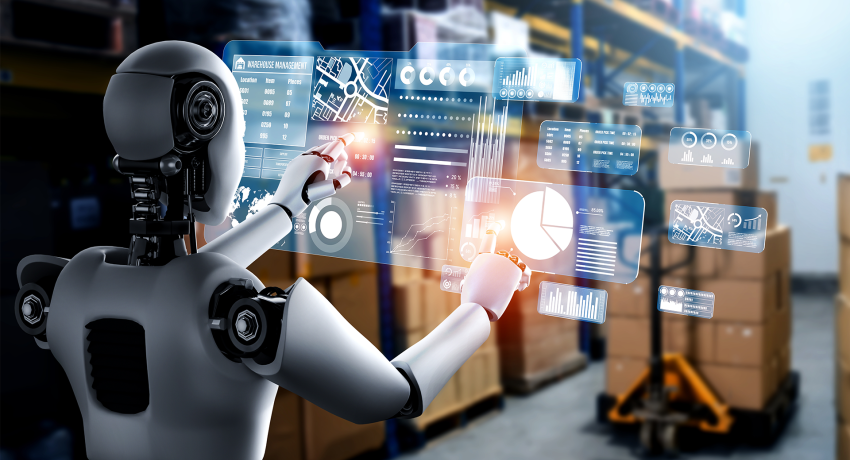
Benefits of AI-Driven Maintenance in Manufacturing
Embracing intelligent maintenance strategies yields significant advantages for factories of all sizes. Some of the most notable benefits include:
- Reduced Downtime: By predicting failures and scheduling interventions proactively, manufacturers can minimize unplanned outages.
- Cost Savings: Maintenance budgets are optimized by focusing efforts where they’re truly needed, and by extending the lifespan of equipment.
- Improved Safety: Early detection of potential hazards helps prevent accidents and ensures a safer work environment.
- Enhanced Productivity: Reliable machinery and fewer disruptions lead to smoother operations and higher output.
- Data-Driven Decision Making: Managers gain access to detailed reports and analytics, supporting continuous improvement initiatives.
According to industry research on AI in manufacturing, companies that have adopted these technologies report measurable improvements in efficiency, maintenance costs, and overall operational agility.
Real-World Applications of AI in Factory Maintenance
The shift toward AI-enabled maintenance is not just theoretical. Manufacturers across various sectors are already seeing results:
- Automotive Plants: Predictive systems monitor robotic arms and assembly lines, alerting teams to potential issues before they disrupt production.
- Food Processing Facilities: AI tracks equipment hygiene and performance, ensuring compliance with safety standards and reducing spoilage.
- Pharmaceutical Manufacturing: Intelligent monitoring helps maintain strict environmental controls and equipment calibration, supporting quality assurance.
- Heavy Industry: Mining and metal plants use AI to optimize maintenance schedules for large, mission-critical machinery, reducing costly breakdowns.

Challenges and Considerations in Implementing AI Maintenance
While the advantages are clear, transitioning to an AI-driven maintenance model comes with its own set of challenges:
- Data Quality: AI systems rely on accurate, high-quality data. Incomplete or noisy data can lead to unreliable predictions.
- Integration Complexity: Connecting legacy equipment with modern sensors and platforms often requires significant investment and planning.
- Workforce Training: Staff must be trained to interpret AI insights and adapt to new workflows.
- Cybersecurity: Increased connectivity can expose factories to new security risks, making robust protection measures essential.
Manufacturers should approach implementation with a clear strategy, focusing on pilot projects, gradual scaling, and ongoing evaluation to maximize the value of their investment.
Future Trends in Intelligent Factory Maintenance
The evolution of smart maintenance is far from over. Looking ahead, several trends are likely to shape the next phase of industrial operations:
- Edge Computing: Processing data closer to the source will enable faster, more responsive maintenance actions.
- Autonomous Maintenance: AI-powered robots and drones may soon handle routine inspections and minor repairs without human intervention.
- Greater Interoperability: Open standards and improved integration will make it easier to connect diverse equipment and systems.
- Continuous Learning: AI models will become more adaptive, learning from every maintenance event to refine their predictions and recommendations.
As these trends develop, the role of AI in optimizing factory maintenance will only become more central to manufacturing success.
FAQ: Smart Maintenance and AI in Manufacturing
How does AI predict equipment failures in factories?
AI systems use data from sensors and historical maintenance records to identify patterns that precede equipment issues. By analyzing variables such as temperature, vibration, and operating hours, machine learning models can forecast when a component is likely to fail and recommend timely interventions.
What are the main benefits of switching to AI-driven maintenance?
The primary benefits include reduced unplanned downtime, lower maintenance costs, improved safety, and increased productivity. AI enables manufacturers to move from reactive to proactive maintenance, ensuring equipment is serviced only when necessary.
Is it difficult to integrate AI with existing factory equipment?
Integration can be challenging, especially with older machinery. However, many solutions now offer retrofit sensors and cloud-based platforms that make it easier to connect legacy equipment. A phased approach, starting with critical assets, is often recommended.
Where can I learn more about related AI applications in industry?
For further reading on advanced analytics and anomaly detection, see our article on detecting subtle anomalies in sensor telemetry using AI.