
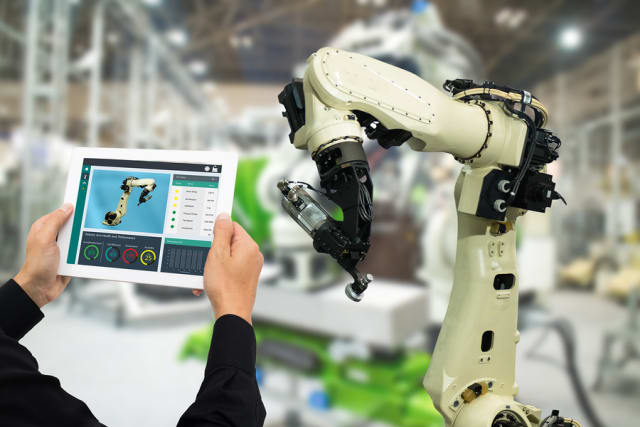
As manufacturing evolves, the integration of AI and cyber security in smart factories has become a critical priority. The rise of Industry 4.0 has brought advanced automation, interconnected devices, and real-time data analytics to the factory floor. While these innovations drive efficiency and productivity, they also introduce new vulnerabilities. Protecting operational technology (OT) and information technology (IT) systems from cyber threats is now essential for manufacturers aiming to maintain uptime, safeguard intellectual property, and ensure the safety of both people and assets.
This article explores how artificial intelligence and robust security measures work together to defend modern manufacturing environments. We’ll look at the unique risks facing smart factories, the ways AI strengthens cyber defenses, and practical steps for building a resilient, future-ready operation. For those interested in broader applications of AI in defense and industry, you may also find value in our guide on how AI identifies the type of fuel used in a missile launch.
Understanding the Security Landscape in Smart Manufacturing
The convergence of digital and physical systems in smart factories has expanded the attack surface for cybercriminals. Unlike traditional IT environments, manufacturing systems often include legacy equipment, proprietary protocols, and a mix of connected sensors, robots, and controllers. These components may not have been designed with modern security in mind, making them attractive targets for attackers seeking to disrupt operations or steal sensitive data.
Common threats in this environment include:
- Ransomware attacks that can halt production lines and demand hefty payments.
- Phishing campaigns targeting employees with access to critical systems.
- Insider threats from employees or contractors misusing their privileges.
- Supply chain vulnerabilities introduced through third-party vendors or software updates.
- Industrial espionage aimed at stealing proprietary designs or trade secrets.
The impact of a successful cyberattack on a smart factory can be severe, ranging from production downtime and financial losses to safety incidents and reputational damage.
How Artificial Intelligence Enhances Factory Cyber Defenses
Integrating AI-driven security solutions into manufacturing environments offers several advantages over traditional, rule-based approaches. AI systems can process vast amounts of data from sensors, network logs, and user activity in real time, enabling them to detect anomalies and respond to threats much faster than human analysts alone.
Key benefits of using AI in factory cyber security include:
- Automated Threat Detection: Machine learning models identify unusual patterns in network traffic, device behavior, or user actions that may indicate a breach or malware infection.
- Predictive Maintenance and Security: AI can forecast equipment failures or vulnerabilities before they are exploited, allowing proactive intervention.
- Incident Response Automation: AI-powered systems can isolate compromised devices, block malicious traffic, and initiate recovery protocols with minimal human intervention.
- Continuous Learning: As new threats emerge, AI models adapt by learning from fresh data, improving their accuracy over time.
For a deeper dive into how AI is transforming manufacturing, the resource on AI applications in manufacturing provides valuable insights into current trends and best practices.

Key Strategies for Securing Smart Factory Operations
Building a resilient security posture in advanced manufacturing requires a layered approach. Here are some essential strategies for protecting interconnected factory systems:
- Network Segmentation: Separate operational technology (OT) networks from IT networks to limit the spread of malware and restrict unauthorized access.
- Zero Trust Architecture: Implement strict access controls, verifying every user and device before granting permissions, regardless of their location within the network.
- Continuous Monitoring: Deploy AI-powered monitoring tools that provide real-time visibility into system activity and alert teams to suspicious behavior.
- Patch Management: Regularly update firmware and software on all devices, including legacy equipment, to address known vulnerabilities.
- Employee Training: Educate staff about phishing, social engineering, and safe practices to reduce the risk of human error.
- Incident Response Planning: Develop and test response plans so teams can act quickly to contain and recover from attacks.
Manufacturers can also benefit from leveraging AI to detect subtle anomalies in sensor data—an approach explored in our article on how AI detects subtle anomalies in sensor telemetry.
Challenges in Implementing AI-Based Security in Manufacturing
While the advantages of using AI and cyber security in smart factories are clear, there are practical challenges to consider:
- Integration with Legacy Systems: Many factories operate with older equipment that may not support modern security protocols or AI integration.
- Data Quality and Availability: AI models require large volumes of high-quality data to function effectively. Inconsistent or incomplete data can limit their accuracy.
- Resource Constraints: Deploying and maintaining AI-driven security solutions may require specialized skills and investment, which can be a barrier for smaller manufacturers.
- False Positives: Overly sensitive AI systems may generate excessive alerts, leading to alert fatigue and missed real threats.
Overcoming these challenges involves careful planning, ongoing training, and collaboration with technology partners who understand both manufacturing and cyber security.
Future Trends: Evolving Security for Connected Factories
As smart factories continue to evolve, so do the tactics of cyber adversaries. The next wave of security innovation will likely include:
- Federated Learning: Collaborative AI models that learn from multiple factories without sharing sensitive data, improving threat detection across the industry.
- Edge AI Security: Deploying AI algorithms directly on factory devices for faster, localized threat detection and response.
- Adaptive Defense Systems: Security platforms that automatically adjust their defenses based on the latest threat intelligence and operational context.
- Integration with Physical Security: Combining cyber and physical security measures to protect against blended threats targeting both digital and real-world assets.
Staying ahead of these trends requires ongoing investment in technology, skills, and partnerships. Manufacturers should regularly review and update their security strategies to address emerging risks and leverage the latest advancements in AI.
FAQ: AI and Security in Advanced Manufacturing
How does AI detect cyber threats in manufacturing environments?
AI systems analyze data from network traffic, sensors, and user activity to identify patterns that deviate from normal operations. By learning what “normal” looks like, these systems can flag anomalies that may indicate malware, unauthorized access, or other threats—often before human analysts would notice.
What are the biggest cyber risks for smart factories?
The most significant risks include ransomware attacks, insider threats, supply chain vulnerabilities, and industrial espionage. The interconnected nature of smart factories means that a breach in one area can quickly impact the entire operation.
Can small and medium-sized manufacturers benefit from AI-driven security?
Yes, even smaller manufacturers can leverage AI-based security tools, especially as cloud-based solutions become more accessible. While resource constraints may pose challenges, adopting AI for threat detection and response can significantly enhance protection without requiring large in-house teams.
How can manufacturers start implementing AI for security?
Begin by assessing current risks and identifying areas where automation and real-time monitoring would add the most value. Collaborate with technology partners, invest in employee training, and consider pilot projects to test AI solutions before scaling up.
For further reading on the intersection of AI and advanced defense systems, our article on the impact of AI on interceptor hit-to-kill probability explores related innovations in security-critical environments.