
The manufacturing sector is undergoing a significant transformation as artificial intelligence (AI) becomes increasingly integrated into production environments. One of the most impactful uses of AI is in enabling remote monitoring of complex manufacturing operations. By leveraging advanced algorithms, machine learning, and real-time data analytics, organizations can oversee their processes from anywhere, improving efficiency, reducing downtime, and enhancing product quality.
This article explores the practical ways in which AI-driven systems are reshaping how manufacturers supervise their operations remotely. We’ll look at the technologies involved, the benefits and challenges, and real-world applications that highlight the value of AI in this context. For those interested in related applications, you may also want to read about how AI detects subtle anomalies in sensor telemetry.
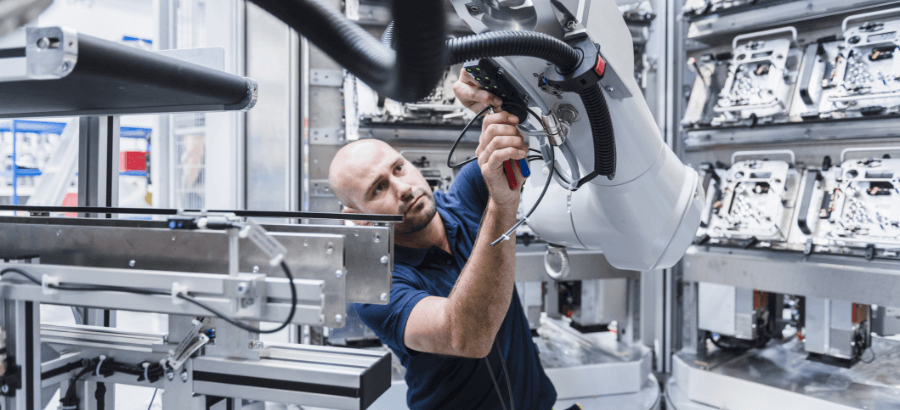
Key Technologies Powering AI-Driven Remote Oversight
The foundation of AI-enabled remote monitoring lies in a combination of interconnected technologies. These include:
- Industrial Internet of Things (IIoT): Sensors and devices collect real-time data from machines, production lines, and environmental conditions.
- Machine Learning Algorithms: AI models analyze incoming data to detect patterns, predict equipment failures, and optimize workflows.
- Cloud Computing: Data storage and processing in the cloud allow for scalable, remote access to insights and dashboards.
- Edge Computing: Processing data closer to the source reduces latency and enables faster decision-making.
- Advanced Visualization: Dashboards and alerts provide actionable information to operators and managers, wherever they are located.

How AI Enhances Remote Monitoring Capabilities
The integration of AI into remote supervision systems brings several distinct advantages to manufacturing organizations:
- Real-Time Anomaly Detection: AI models can identify deviations from normal operating conditions, such as temperature spikes or irregular vibrations, often before human operators notice them.
- Predictive Maintenance: By analyzing historical and live data, AI can forecast when equipment is likely to fail, allowing for proactive maintenance that reduces unplanned downtime.
- Process Optimization: Machine learning algorithms continuously analyze production data to suggest adjustments that improve efficiency, reduce waste, and maintain consistent product quality.
- Remote Troubleshooting: Experts can access AI-driven diagnostics from anywhere, enabling faster resolution of issues without needing to be on-site.
- Automated Reporting: AI systems can generate detailed reports and compliance documentation, streamlining audits and regulatory processes.
These capabilities not only increase operational efficiency but also support safer and more resilient manufacturing environments.
Applications and Use Cases in Modern Manufacturing
The practical uses of AI-powered remote monitoring are diverse and rapidly expanding. Some common applications include:
- Assembly Line Monitoring: AI systems track production rates, detect bottlenecks, and alert supervisors to potential slowdowns or stoppages.
- Quality Control: Computer vision and AI algorithms inspect products for defects in real time, ensuring only high-quality goods leave the factory.
- Energy Management: AI analyzes energy consumption patterns and suggests optimizations to reduce costs and environmental impact.
- Supply Chain Visibility: Remote monitoring extends to inventory and logistics, with AI predicting supply disruptions and optimizing delivery schedules.
- Safety Monitoring: AI can detect unsafe conditions, such as gas leaks or equipment malfunctions, and trigger immediate alerts to remote teams.
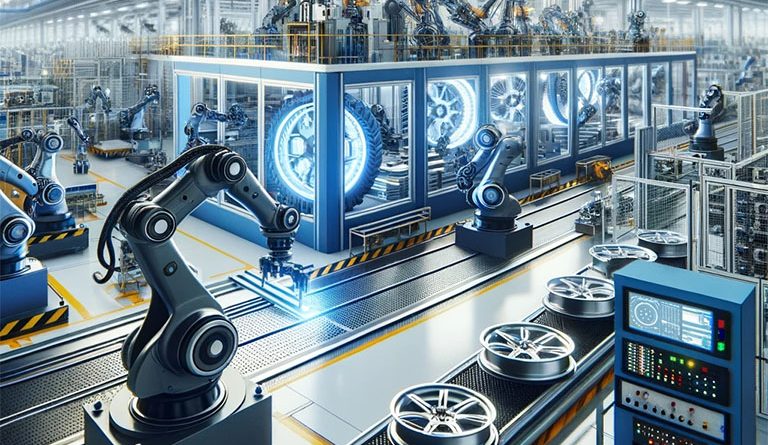
Benefits of AI-Driven Remote Supervision in Manufacturing
Embracing AI for remote oversight brings a range of tangible benefits to manufacturers:
- Increased Uptime: Predictive analytics help prevent unexpected breakdowns, keeping production lines running smoothly.
- Cost Savings: Proactive maintenance and process optimization reduce operational expenses and resource waste.
- Enhanced Flexibility: Remote access allows managers and engineers to oversee multiple sites without being physically present.
- Improved Product Quality: Automated, AI-driven inspections catch defects early, minimizing recalls and rework.
- Data-Driven Decision Making: Comprehensive analytics support better planning and faster responses to emerging issues.
These advantages are driving widespread adoption of AI-powered monitoring systems across industries, from automotive to electronics and beyond.
Challenges and Considerations for Implementation
While the benefits are clear, deploying AI for remote manufacturing oversight does come with challenges:
- Data Security: Transmitting sensitive production data over networks requires robust cybersecurity measures.
- Integration Complexity: Connecting legacy equipment to modern AI systems can be technically demanding.
- Change Management: Employees may need training to adapt to new workflows and technologies.
- Initial Investment: Upfront costs for sensors, infrastructure, and software can be significant, though long-term savings often offset these expenses.
- Data Quality: Effective AI relies on accurate, high-quality data from sensors and machines.
Addressing these factors is essential for a successful transition to AI-driven remote monitoring. Manufacturers often start with pilot projects to demonstrate value before scaling up.
Future Trends in Remote Manufacturing Oversight with AI
The landscape of remote supervision in manufacturing is evolving rapidly. Emerging trends include:
- Greater Use of Edge AI: Processing data locally on devices for faster insights and reduced bandwidth usage.
- Integration with Augmented Reality (AR): Remote experts can guide on-site technicians using AR overlays powered by AI analytics.
- Self-Optimizing Factories: AI systems that not only monitor but also automatically adjust processes for optimal performance.
- Expanded Use of Digital Twins: Virtual replicas of physical assets allow for advanced simulations and predictive maintenance.
- Broader Ecosystem Collaboration: Sharing anonymized data across organizations to improve industry-wide efficiency and innovation.
For a deeper look at how AI is transforming manufacturing, see this comprehensive overview of AI in manufacturing applications.
Related Insights and Further Reading
The use of artificial intelligence in industrial settings extends beyond remote monitoring. For example, understanding the impact of AI on interceptor hit-to-kill probability highlights its role in defense technologies, while exploring the role of AI in directing directed energy weapons demonstrates its versatility across sectors.
Frequently Asked Questions
What types of data does AI use for remote monitoring in manufacturing?
AI systems rely on data from a variety of sources, including sensors measuring temperature, pressure, vibration, and humidity, as well as machine performance logs, video feeds, and quality inspection images. This data is processed in real time to provide actionable insights.
How does AI improve predictive maintenance for manufacturers?
By analyzing historical and real-time equipment data, AI can identify patterns that precede failures. This allows maintenance teams to address issues before they cause downtime, reducing costs and improving overall equipment effectiveness.
Is it difficult to integrate AI-based remote monitoring with existing manufacturing systems?
Integration can be challenging, especially with older equipment that lacks digital connectivity. However, many solutions now offer retrofit options, and cloud-based platforms can bridge gaps between legacy systems and modern AI tools.