

Intelligent tutoring systems explained—these words capture a revolution underway in STEM education. As science, technology, engineering, and mathematics subjects become more complex, educators and learners alike are turning to advanced digital tools for support. These AI-powered platforms are designed to deliver personalized instruction, adapt to individual learning needs, and help students master challenging concepts. In this article, we’ll break down how these systems work, their core benefits, and their growing role in the classroom.
The integration of artificial intelligence into education is not limited to tutoring. For instance, AI is also transforming fields like defense and aerospace. To see how these technologies are applied in other domains, explore how AI manages the transition from detection to engagement in advanced systems.
What Are AI-Powered Tutoring Platforms?
At their core, intelligent tutoring systems (ITS) are computer programs that use artificial intelligence to deliver tailored instruction. Unlike static online courses, these platforms analyze student responses, identify strengths and weaknesses, and adjust the content or pace accordingly. In STEM subjects, where concepts often build on one another, this adaptability can make a significant difference in learning outcomes.
A typical ITS includes several components:
- Domain Model: Represents the knowledge and skills required for a subject.
- Student Model: Tracks each learner’s progress, misconceptions, and mastery level.
- Tutoring Model: Determines the best instructional strategies based on the student’s needs.
- User Interface: Provides interactive exercises, hints, and feedback in real time.

Modern ITS platforms can handle a range of STEM topics, from algebra and calculus to physics and computer science. Some systems even incorporate natural language processing, allowing students to ask questions in plain English and receive context-aware answers.
How Adaptive Learning Enhances STEM Education
One of the most significant advantages of AI-driven tutoring systems is their ability to adapt in real time. In a traditional classroom, teachers must balance the needs of many students, making it challenging to provide individualized attention. With ITS, every learner receives a customized path through the material.
Key adaptive features include:
- Immediate Feedback: Students receive instant responses to their answers, helping them correct mistakes as they go.
- Personalized Hints: The system offers targeted hints based on the specific error or misconception.
- Dynamic Difficulty: Problems become more or less challenging depending on the student’s performance.
- Progress Tracking: Both students and teachers can monitor mastery of concepts and identify areas needing further review.
This approach is particularly valuable in STEM, where foundational knowledge is essential for tackling advanced topics. By ensuring students fully grasp each concept before moving on, ITS can reduce frustration and boost confidence.
Key Features of Intelligent Tutoring Systems Explained
When exploring intelligent tutoring systems explained for STEM, several core features stand out:
- Personalization: Each learner’s experience is unique, with lessons and exercises tailored to their current understanding.
- Scalability: ITS platforms can support large numbers of students simultaneously, making them suitable for classrooms, after-school programs, and remote learning.
- Data-Driven Insights: Teachers and administrators gain access to detailed analytics, enabling data-informed decisions about curriculum and instruction.
- Accessibility: Many systems are available online, allowing students to learn at their own pace and on their own schedule.
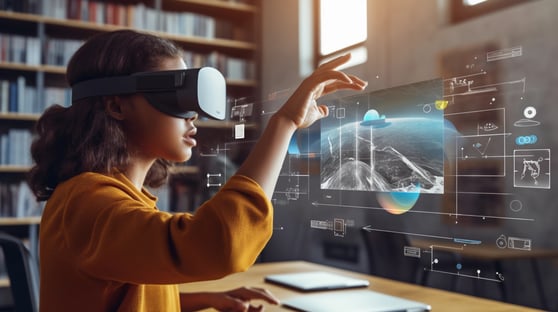
Some advanced platforms even integrate with virtual reality or gamified environments, making STEM subjects more engaging and interactive.
Benefits and Challenges in STEM Classrooms
The adoption of AI-powered tutoring in STEM brings several clear benefits:
- Improved Learning Outcomes: Research shows that students using ITS often outperform peers in traditional settings, especially in math and science.
- Teacher Support: These systems free up educators to focus on higher-level instruction and mentorship, rather than routine grading or repetitive explanations.
- Equity and Inclusion: By adapting to each student’s pace, ITS can help close achievement gaps and support diverse learners.
However, there are also challenges to consider:
- Implementation Costs: High-quality ITS platforms can be expensive to develop and deploy.
- Teacher Training: Educators need support and training to integrate these tools effectively into their teaching.
- Data Privacy: Collecting and analyzing student data raises important questions about privacy and security.
Despite these hurdles, the momentum behind intelligent tutoring in STEM continues to grow. As AI technologies mature, systems are becoming more affordable, user-friendly, and effective.
Real-World Applications and Future Trends
Today’s ITS platforms are already making a difference in classrooms, after-school programs, and online learning environments. For example, some systems help students prepare for standardized tests in mathematics, while others provide interactive simulations for physics or engineering concepts.
Looking ahead, several trends are shaping the future of AI in education:
- Integration with Other Technologies: ITS are increasingly combined with virtual labs, collaborative tools, and adaptive assessments.
- Greater Personalization: Advances in machine learning enable even more precise adaptation to individual learning styles and needs.
- Expanded Subject Coverage: While math and science are common, more platforms are branching into computer science, engineering, and interdisciplinary STEM topics.
- Global Reach: Online ITS platforms are making high-quality STEM education accessible to students worldwide.
For a broader perspective on the role of artificial intelligence in education, see this comprehensive overview of AI in education.
How Intelligent Tutoring Systems Explained Concepts Differ from Traditional Methods
Traditional classroom instruction often relies on lectures, textbooks, and periodic assessments. While effective for some, this approach can leave others behind—especially in fast-paced or large-group settings. In contrast, AI-driven tutoring platforms offer:
- Continuous Assessment: Instead of waiting for quizzes or exams, students receive ongoing feedback and support.
- Targeted Remediation: When a student struggles with a particular concept, the system provides extra practice or alternative explanations.
- Self-Paced Learning: Learners can move ahead or revisit topics as needed, without being held back or rushed by the group.
This shift empowers students to take greater ownership of their learning and helps teachers focus on higher-order thinking and problem-solving skills.
Connecting AI in Education to Broader Technological Advances
The same artificial intelligence principles powering ITS are also driving innovation in other sectors. For example, AI is used in defense for tasks such as identifying vulnerable points in incoming missiles and managing complex systems. These cross-industry advances help fuel improvements in educational technology, making tools smarter and more responsive.
FAQ: Intelligent Tutoring Systems in STEM
How do intelligent tutoring systems personalize STEM learning?
These platforms use AI algorithms to track each student’s progress, identify areas of strength and weakness, and adjust instruction accordingly. This ensures that learners receive the right level of challenge and support at every stage.
Are these systems effective for all STEM subjects?
While most widely used in mathematics and science, intelligent tutoring platforms are expanding into computer science, engineering, and interdisciplinary STEM fields. Their effectiveness depends on the quality of the underlying content and the adaptability of the AI.
What should teachers consider before adopting AI-driven tutoring?
Educators should look for platforms that align with their curriculum, offer robust analytics, and provide training and support. It’s also important to consider data privacy policies and ensure that the system is accessible to all students.
Can these systems replace teachers?
No—AI-powered tutoring tools are designed to supplement, not replace, human educators. They handle routine instruction and assessment, freeing teachers to focus on mentorship, motivation, and deeper learning experiences.
As the landscape of STEM education evolves, intelligent tutoring systems explained through real-world examples and research will continue to shape how students learn and succeed. By embracing these tools, educators and learners can unlock new opportunities for growth, engagement, and achievement.