
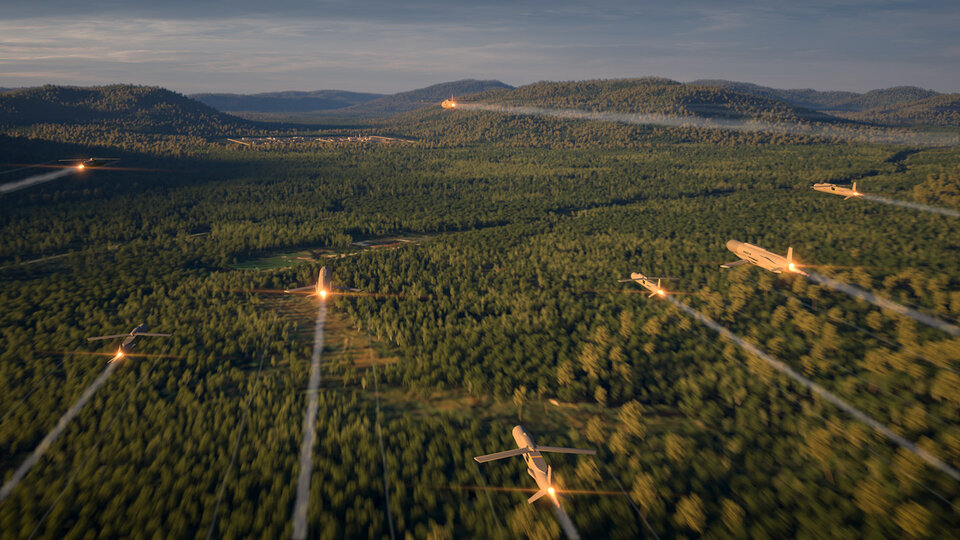
Modern air defense faces increasingly complex threats, from fast-moving drones to precision-guided munitions and low-flying aircraft. As adversaries adopt advanced tactics and technologies, the need for adaptable, rapid-response protection grows. Integrating artificial intelligence into short-range air defense (SHORAD) platforms is transforming how militaries detect, track, and neutralize these threats. This article explores the key benefits of AI for short-range air defense (shorad) systems, highlighting how machine learning and automation are reshaping the future of battlefield protection.
AI-driven solutions are not only enhancing detection and response times but also enabling SHORAD units to operate more efficiently in cluttered, contested environments. For a deeper look at how AI is used to identify threats from space, see our guide on how ai identifies missile launch signatures from space.
How AI Improves Threat Detection and Tracking
One of the most significant advantages of artificial intelligence in SHORAD is its ability to process vast amounts of sensor data in real time. Traditional radar and electro-optical systems can be overwhelmed by the sheer number of objects in the sky, especially in urban or battlefield environments. AI algorithms excel at distinguishing between genuine threats—such as incoming missiles or drones—and harmless objects like birds or civilian aircraft.
- Faster identification: Machine learning models can analyze sensor inputs and classify targets within milliseconds, reducing the risk of delayed responses.
- Reduced false alarms: By learning from previous engagements and environmental data, AI systems minimize false positives, allowing operators to focus on real threats.
- Improved tracking: AI-powered tracking maintains lock on fast or low-signature targets, even in cluttered or electronically jammed environments.

Enhancing Decision-Making and Response Times
The speed at which SHORAD operators must make decisions can be the difference between mission success and failure. AI-driven command and control systems support human operators by providing actionable recommendations, automating routine tasks, and even executing defensive actions autonomously when authorized.
- Automated threat prioritization: AI can rank incoming threats based on speed, trajectory, and potential impact, ensuring that the most dangerous targets are engaged first.
- Optimized weapon selection: By analyzing the characteristics of each threat, AI can recommend or automatically select the most effective interceptor or countermeasure.
- Reduced cognitive load: Operators benefit from AI’s ability to filter information and highlight critical data, allowing them to focus on strategic decisions.
These improvements are especially valuable in high-intensity conflicts, where multiple threats may appear simultaneously. For more on how AI overcomes environmental challenges, explore our article on how ai handles atmospheric interference in tracking.
Operational Efficiency and Resource Management
Integrating AI into short-range air defense systems also brings substantial gains in operational efficiency. By automating surveillance, maintenance, and logistics, AI helps defense units make the most of limited resources.
- Predictive maintenance: Machine learning models can forecast equipment failures before they occur, reducing downtime and ensuring readiness.
- Intelligent resource allocation: AI can dynamically assign sensors, interceptors, and personnel based on real-time threat assessments and mission priorities.
- Continuous learning: Every engagement provides new data that AI systems use to refine their models, improving performance over time.
Adapting to Emerging Threats with AI-Driven SHORAD
The threat landscape is constantly evolving, with adversaries deploying new tactics such as drone swarms, stealthy cruise missiles, and electronic warfare. AI-equipped SHORAD platforms can adapt to these changes faster than traditional systems.
- Real-time data fusion: AI combines inputs from multiple sensors—radar, infrared, acoustic, and more—to build a comprehensive picture of the battlespace.
- Countering electronic attacks: Machine learning algorithms can detect and compensate for jamming or deception efforts, maintaining system effectiveness.
- Scalable defense: AI enables SHORAD units to coordinate with other platforms, forming networked defense grids that can respond to massed or coordinated attacks.
These capabilities are essential for modern militaries facing unpredictable and technologically advanced opponents. To understand how AI supports post-engagement analysis, see our resource on how ai assists in post-launch damage assessment.
Strategic and Tactical Advantages of AI in SHORAD
The integration of artificial intelligence into SHORAD not only improves immediate operational performance but also delivers long-term strategic value. By leveraging AI, defense forces gain:
- Greater survivability: Automated systems can react faster than human operators, increasing the chances of intercepting threats before they reach their targets.
- Lower operational costs: Efficient resource management and predictive maintenance reduce the overall cost of maintaining air defense readiness.
- Enhanced interoperability: AI-powered SHORAD units can seamlessly share data with other defense assets, from long-range missile batteries to space-based sensors.
For a broader perspective on how AI is shaping missile defense and deterrence strategies, the Center for Strategic and International Studies offers an in-depth analysis in their article on AI at the nexus of nuclear deterrence and left-of-launch operations.
Additionally, as communication networks evolve, technologies like 5G are further enhancing the responsiveness of AI-enabled defense systems. Learn more about this development in our article on the impact of 5g on real-time ai defense communication.
Challenges and Considerations for AI-Enabled Air Defense
While the benefits of AI for short-range air defense (shorad) are substantial, there are important challenges to address:
- Reliability and trust: Operators must have confidence in AI recommendations, especially in life-or-death scenarios. Rigorous testing and transparent algorithms are essential.
- Cybersecurity: AI systems are potential targets for cyberattacks. Robust security measures must be in place to prevent manipulation or disruption.
- Ethical and legal concerns: The use of autonomous systems in combat raises questions about accountability and compliance with international law.
Addressing these issues will be crucial as militaries continue to adopt and expand AI-driven SHORAD capabilities.
Frequently Asked Questions
How does AI help reduce false alarms in SHORAD systems?
AI algorithms analyze patterns in sensor data to distinguish between real threats and harmless objects. By learning from previous data and continuously updating their models, these systems can significantly lower the rate of false positives, allowing operators to focus on genuine dangers.
Can AI-enabled SHORAD systems operate autonomously?
Yes, many modern SHORAD platforms can perform certain functions autonomously, such as tracking, threat prioritization, and even engagement, depending on rules of engagement and operator oversight. However, human operators typically retain ultimate control, especially for lethal actions.
What types of threats can AI-enhanced SHORAD systems counter?
AI-powered SHORAD units are designed to handle a wide range of aerial threats, including drones, cruise missiles, rockets, artillery shells, and low-flying aircraft. Their adaptability allows them to respond to both traditional and emerging tactics, such as drone swarms and electronic warfare.
How does AI integration affect the cost of operating SHORAD systems?
While initial investment in AI technology can be significant, operational costs are often reduced over time thanks to predictive maintenance, efficient resource allocation, and lower personnel requirements. This leads to improved readiness and sustainability.
Where can I learn more about AI applications in missile defense?
For further exploration of AI’s role in missile warning and tracking, see our guide to ai-driven space-based missile warning.