

Artificial intelligence is rapidly transforming the landscape of science, technology, engineering, and mathematics (STEM) learning. As AI tools become more prevalent in classrooms and laboratories, ensuring AI accessibility in STEM education is essential for creating equitable opportunities for all learners. This article explores how AI is making STEM subjects more inclusive, the challenges that remain, and practical steps for educators and institutions to foster accessible learning environments.
Understanding the impact of AI on STEM learning also means considering its role in related fields. For example, the way how AI manages the transition from detection to engagement in complex systems highlights the broader potential of artificial intelligence to support diverse learners and applications.
Understanding the Importance of Inclusive AI in STEM
STEM subjects have traditionally posed accessibility challenges for students with disabilities or those from underrepresented backgrounds. With the integration of artificial intelligence, there is a unique opportunity to address these barriers. AI accessibility in STEM education means designing and deploying AI-powered tools and resources that cater to diverse learning needs, including visual, auditory, cognitive, and physical differences.
By making AI-driven platforms and content accessible, educators can:
- Support students with disabilities through adaptive technologies and personalized learning paths.
- Bridge gaps for non-native speakers and learners from different cultural backgrounds.
- Enable more flexible and remote participation in STEM activities.
These advances help ensure that every student has the chance to succeed in STEM, regardless of their individual circumstances.
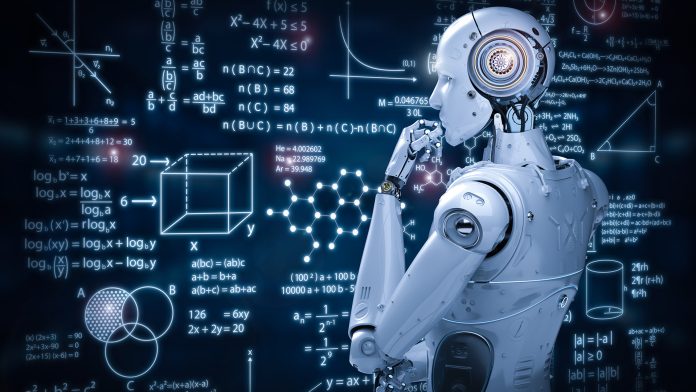
Key Benefits of AI for Accessible STEM Learning
Integrating AI accessibility in STEM education brings several concrete benefits for students and educators alike. Some of the most notable advantages include:
- Personalized Learning: AI can adapt content delivery to suit individual learning styles, paces, and preferences, making complex STEM concepts more approachable.
- Assistive Technologies: Tools such as speech-to-text, text-to-speech, and real-time captioning help students with visual or hearing impairments engage with STEM materials.
- Automated Assessment and Feedback: AI-powered grading and feedback systems provide instant, tailored responses, supporting continuous improvement and reducing educator workload.
- Language and Translation Support: AI-driven translation tools break down language barriers, allowing students from diverse backgrounds to access high-quality STEM resources.
- Data-Driven Insights: Educators can leverage AI analytics to identify learning gaps and intervene early, promoting better outcomes for all students.
These benefits contribute to a more inclusive and effective STEM learning environment, where every student can reach their full potential.
Challenges and Barriers to AI Accessibility in STEM
Despite the promise of AI, several challenges remain in making STEM education truly accessible. Some of the most pressing issues include:
- Bias in AI Algorithms: If not carefully designed, AI systems can perpetuate existing biases, disadvantaging certain groups of learners.
- Digital Divide: Not all students have equal access to the devices and internet connectivity needed to benefit from AI tools.
- Lack of Standardization: Accessibility features are not always consistently implemented across different AI platforms and educational resources.
- Privacy and Data Security: Using AI in education raises concerns about the collection and use of sensitive student data.
- Teacher Training: Educators may need additional support and professional development to effectively integrate accessible AI solutions into their teaching.
Addressing these barriers requires collaboration between technology developers, educators, policymakers, and students themselves.

Best Practices for Implementing Accessible AI in STEM Classrooms
To maximize the positive impact of AI accessibility in STEM education, educators and institutions can adopt several best practices:
- Prioritize Universal Design: Choose AI tools that follow universal design principles, ensuring they are usable by the widest range of learners.
- Engage Diverse Stakeholders: Involve students with disabilities, educators, and accessibility experts in the selection and evaluation of AI resources.
- Provide Ongoing Training: Offer professional development for teachers on how to use accessible AI technologies effectively in STEM instruction.
- Monitor and Address Bias: Regularly review AI systems for potential biases and take corrective action as needed.
- Ensure Data Privacy: Implement robust data protection policies to safeguard student information when using AI-powered platforms.
By following these steps, schools and universities can create more inclusive STEM learning environments that harness the full potential of artificial intelligence.
Real-World Examples and Resources
Several AI-powered tools and initiatives are already making a difference in STEM education accessibility. For instance, platforms that offer real-time captioning and translation help students with hearing impairments or language barriers participate fully in science and math classes. Adaptive learning systems adjust the difficulty and presentation of material based on individual progress, supporting both struggling and advanced learners.
For a deeper understanding of how AI is shaping educational experiences, the Top Hat glossary on AI in education provides a comprehensive overview of current trends and terminology. Exploring such resources can help educators and administrators stay informed about the latest developments and best practices in this rapidly evolving field.
Future Directions for AI and STEM Accessibility
Looking ahead, the intersection of artificial intelligence and STEM education will continue to evolve. Emerging technologies such as natural language processing, computer vision, and robotics hold promise for further enhancing accessibility. As these tools become more sophisticated, it will be crucial to maintain a focus on inclusivity and equity.
Collaboration across disciplines and sectors will drive innovation in accessible AI solutions. By fostering partnerships between educators, technologists, and advocacy groups, the STEM community can ensure that future advancements benefit all learners, regardless of ability or background.
Frequently Asked Questions
How does AI help students with disabilities in STEM subjects?
AI-powered assistive technologies, such as speech recognition, text-to-speech, and adaptive learning platforms, enable students with disabilities to access STEM content in ways that suit their individual needs. These tools can provide alternative formats, real-time support, and personalized feedback, making STEM subjects more approachable and engaging.
What are some common barriers to accessible AI in STEM classrooms?
Barriers include unequal access to technology, lack of standardized accessibility features, potential bias in AI algorithms, and insufficient teacher training. Addressing these challenges requires a coordinated effort from educators, technology providers, and policymakers.
Where can educators learn more about implementing AI in STEM education?
Educators can explore resources such as the Top Hat glossary on AI in education for definitions and examples. Professional development workshops, online courses, and collaboration with accessibility experts can also provide valuable guidance for integrating AI into STEM teaching.