
The manufacturing sector is undergoing a significant shift as artificial intelligence becomes a core driver of digital transformation. Companies in this industry are leveraging advanced technologies to optimize production, improve efficiency, and remain competitive in a rapidly evolving landscape. Understanding the role of AI in digital transformation is crucial for manufacturers seeking to modernize their operations and unlock new value streams.
Artificial intelligence is not just about automation; it is about using data-driven insights, predictive analytics, and intelligent systems to make smarter decisions throughout the manufacturing process. As organizations embrace this shift, they are discovering new ways to enhance quality, reduce costs, and respond quickly to market demands.

For those interested in related applications, the article on how AI identifies the type of fuel used in a missile launch offers additional insight into the versatility of artificial intelligence across industries.
How Artificial Intelligence Accelerates Digital Change in Manufacturing
The integration of AI into manufacturing is transforming traditional processes. By analyzing vast amounts of production data, AI systems can identify inefficiencies, predict equipment failures, and suggest process improvements. This enables manufacturers to shift from reactive to proactive operations, minimizing downtime and maximizing productivity.
Key areas where AI is making a difference include:
- Predictive maintenance: AI-powered analytics can forecast when machines are likely to fail, allowing for timely maintenance and reducing unexpected breakdowns.
- Quality control: Computer vision and machine learning algorithms detect defects in real-time, ensuring consistent product quality and reducing waste.
- Supply chain optimization: Intelligent systems analyze supply and demand patterns, helping companies manage inventory more effectively and respond to disruptions.
- Process automation: Robotics and AI-driven automation streamline repetitive tasks, freeing up human workers for more complex activities.
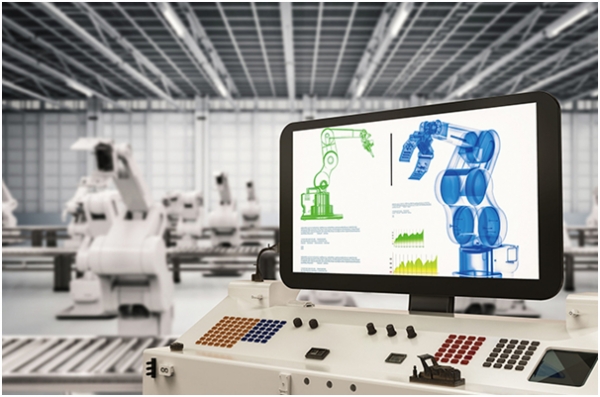
Benefits of AI-Driven Digital Strategies for Manufacturers
Embracing digital transformation with artificial intelligence offers a range of benefits for manufacturing organizations. Some of the most impactful advantages include:
- Increased operational efficiency: Automated systems and data-driven decision-making reduce manual intervention and speed up production cycles.
- Enhanced product quality: Real-time monitoring and adaptive control systems help maintain high standards and minimize errors.
- Cost reduction: Predictive analytics and optimized resource allocation lower operational expenses and minimize waste.
- Agility and flexibility: AI enables manufacturers to quickly adapt to changing market conditions, customer preferences, and supply chain challenges.
- Improved safety: Intelligent monitoring systems can detect hazardous conditions and prevent accidents on the factory floor.
These benefits are not limited to large enterprises. Small and medium-sized manufacturers can also leverage AI solutions to remain competitive and drive growth in the digital era.
Challenges in Implementing AI for Digital Transformation
While the advantages are clear, integrating AI into manufacturing processes presents several challenges. Companies often face obstacles such as:
- Data quality and availability: AI systems rely on large volumes of accurate data. Inconsistent or incomplete information can limit the effectiveness of intelligent solutions.
- Legacy infrastructure: Many manufacturers operate with outdated equipment that may not be compatible with modern AI technologies.
- Skills gap: Implementing and maintaining AI systems requires specialized expertise, which can be difficult to source and retain.
- Change management: Shifting to AI-driven processes often requires cultural and organizational changes, which can encounter resistance from employees.
- Cybersecurity risks: As manufacturing becomes more connected, protecting sensitive data and systems from cyber threats becomes increasingly important.
Addressing these challenges requires a strategic approach, including investment in workforce training, upgrading infrastructure, and establishing robust data governance practices.
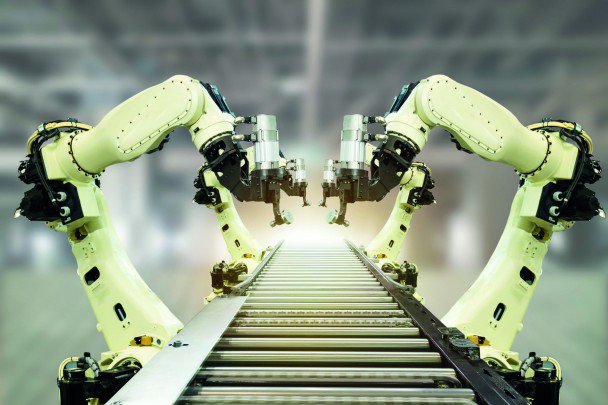
Key Use Cases of AI in Modern Manufacturing
The application of artificial intelligence in manufacturing is diverse and continually expanding. Some of the most prominent use cases include:
- Smart factories: AI enables the creation of interconnected production environments where machines, sensors, and systems communicate seamlessly to optimize output.
- Demand forecasting: Machine learning models analyze historical sales and market trends to predict future demand, helping manufacturers plan production more accurately.
- Energy management: AI-driven systems monitor and optimize energy consumption, reducing costs and supporting sustainability initiatives.
- Supply chain resilience: Intelligent algorithms help identify vulnerabilities and suggest alternative sourcing strategies to mitigate risks.
- Personalized manufacturing: AI supports mass customization by enabling flexible production lines that can quickly adapt to individual customer requirements.
For a deeper dive into how artificial intelligence is transforming the sector, consider reading this comprehensive overview of AI in manufacturing.
Best Practices for Adopting AI in Digital Transformation Initiatives
To successfully implement AI-driven digital strategies, manufacturers should follow several best practices:
- Start with clear objectives: Define specific goals for AI adoption, such as reducing downtime, improving quality, or increasing throughput.
- Invest in data infrastructure: Ensure that data collection, storage, and management systems are robust and scalable.
- Foster a culture of innovation: Encourage cross-functional collaboration and continuous learning to drive adoption and maximize value.
- Prioritize cybersecurity: Implement strong security measures to protect data and systems from evolving threats.
- Scale gradually: Begin with pilot projects, measure results, and expand successful initiatives across the organization.
By following these guidelines, companies can overcome common barriers and realize the full potential of artificial intelligence in their digital transformation journeys.
FAQ: Artificial Intelligence and Digital Transformation in Manufacturing
How does AI improve efficiency in manufacturing processes?
Artificial intelligence enhances efficiency by automating repetitive tasks, optimizing production schedules, and providing real-time insights into equipment performance. This leads to reduced downtime, faster cycle times, and better resource utilization.
What are the main risks associated with adopting AI in manufacturing?
The primary risks include data security concerns, integration challenges with existing systems, and the need for specialized skills. Companies must also manage change effectively to ensure employee buy-in and successful implementation.
Can small and medium-sized manufacturers benefit from AI-powered digital transformation?
Yes, AI solutions are increasingly accessible to organizations of all sizes. Cloud-based platforms, modular tools, and scalable analytics make it possible for smaller manufacturers to leverage artificial intelligence for process optimization and competitive advantage.