
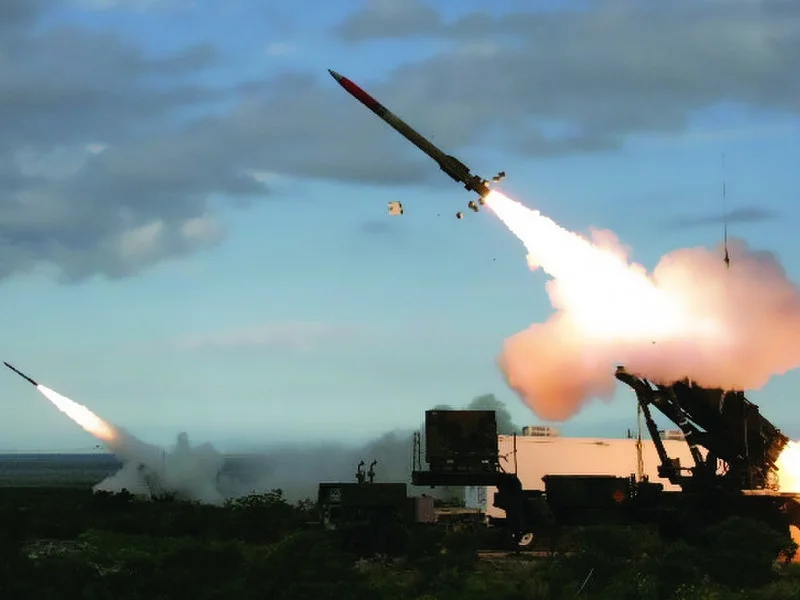
As artificial intelligence becomes increasingly integrated into military aviation, ensuring the reliability and effectiveness of these systems is crucial. The process of how to validate AI model performance in combat flight tests involves rigorous evaluation, data-driven analysis, and operational scrutiny. This article explores the essential steps and considerations for assessing AI-driven systems in high-stakes aerial environments, where both safety and mission success depend on robust validation.
Understanding the nuances of AI validation in combat scenarios is vital for defense organizations, engineers, and decision-makers. From test planning to post-flight analysis, each phase demands a blend of technical expertise and operational awareness. For those interested in related advancements, the impact of AI on interceptor hit-to-kill probability provides additional context on AI’s expanding role in defense technology.
Key Principles for Assessing AI in Combat Flight Environments
Evaluating AI in combat aviation is distinct from traditional software testing. The unpredictable nature of aerial combat, combined with the complexity of sensor data and real-time decision-making, requires a robust validation framework. Here are several foundational principles:
- Operational Realism: Tests must simulate real-world combat conditions as closely as possible, including adversarial tactics, electronic warfare, and environmental variables.
- Data Integrity: High-quality, representative datasets are essential for both training and validation. This includes telemetry, sensor feeds, and mission logs.
- Repeatability: Validation procedures should be repeatable, allowing for consistent comparison across different test runs and system updates.
- Transparency: The AI’s decision-making process should be interpretable, enabling engineers to diagnose errors and improve reliability.
Designing Effective Combat Flight Test Scenarios
To accurately measure AI model performance, flight tests must be carefully designed. This includes defining clear objectives, selecting appropriate metrics, and ensuring safety protocols are in place. Common test scenario elements include:
- Threat Engagement: Simulating encounters with enemy aircraft, missiles, or drones to evaluate target identification and response.
- Navigation and Maneuvering: Assessing the AI’s ability to handle complex flight paths, avoid obstacles, and maintain formation.
- Sensor Fusion: Testing how well the AI integrates data from multiple onboard sensors for situational awareness.
- Electronic Countermeasures: Introducing jamming or spoofing to test system resilience.
Incorporating these elements ensures that the AI is not only functioning as intended but is also robust against adversarial tactics and unpredictable conditions.
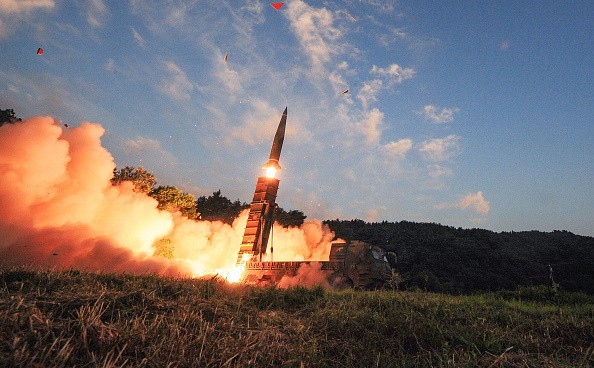
Metrics and Benchmarks for AI Validation in Flight Tests
Establishing the right metrics is fundamental for how to validate AI model performance in combat flight tests. These benchmarks help quantify success, identify weaknesses, and guide future improvements. Key performance indicators include:
- Accuracy: The rate at which the AI correctly identifies threats, navigates, or executes mission objectives.
- Latency: The time taken by the AI to process inputs and generate outputs, critical for real-time operations.
- Robustness: The AI’s ability to maintain performance under stress, such as sensor failures or adversarial interference.
- Adaptability: How well the AI adjusts to novel situations or changes in mission parameters.
- Safety: The system’s ability to avoid unsafe actions or catastrophic failures.
These metrics should be tracked throughout the test campaign, with results compared against baseline expectations and human pilot performance where applicable.
Data Collection and Analysis During Combat Flight Tests
Comprehensive data collection is at the heart of AI validation. During each test flight, a wide array of data streams must be captured, including:
- Flight telemetry (speed, altitude, heading, etc.)
- Sensor outputs (radar, infrared, visual, etc.)
- AI decision logs (inputs, outputs, confidence scores)
- Environmental conditions (weather, electromagnetic activity)
Post-flight analysis involves synchronizing these datasets, identifying discrepancies, and correlating AI actions with mission outcomes. Advanced analytics and visualization tools can help uncover patterns, diagnose failures, and inform future test design. For further insights into AI’s role in sensor data interpretation, see how AI detects subtle anomalies in sensor telemetry.
Challenges and Best Practices in AI Model Validation
Validating AI in combat aviation presents unique challenges. Some of the most significant hurdles include:
- Limited Real-World Data: Genuine combat data is scarce, making it difficult to train and test AI under all possible conditions.
- Safety Constraints: High-risk maneuvers and live-fire scenarios are often restricted, limiting the scope of testing.
- Adversarial Threats: AI systems must be resilient to deliberate attempts at deception or disruption.
- Regulatory and Ethical Considerations: Ensuring compliance with military standards and ethical guidelines is essential.
To address these issues, organizations often employ a mix of simulated environments, hardware-in-the-loop testing, and incremental deployment strategies. Collaboration between AI engineers, test pilots, and mission planners is vital for comprehensive validation. For a deeper look at detection technologies and their integration with AI, the article on ballistic missile detection technologies in defense systems offers valuable context.
Integrating Lessons Learned for Continuous Improvement
Validation is not a one-time process. As AI models evolve and new threats emerge, continuous testing and refinement are necessary. Key strategies for ongoing improvement include:
- Regularly updating datasets with new operational data
- Incorporating feedback from pilots and mission analysts
- Automating test result analysis to accelerate iteration cycles
- Expanding test scenarios to cover emerging threats and tactics
Staying proactive ensures that AI-enabled combat systems remain effective and trustworthy over time. For those interested in how AI contributes to safety, the discussion on the role of AI in preventing accidental launches is highly relevant.
FAQ: Combat Flight Test AI Validation
What are the most important metrics for evaluating AI in combat flight tests?
Key metrics include accuracy in threat identification, latency of decision-making, robustness under stress, adaptability to new scenarios, and safety in mission execution. These indicators help ensure the AI performs reliably in real-world conditions.
How do test teams ensure realism during AI validation flights?
Teams use a combination of live exercises, high-fidelity simulations, and hardware-in-the-loop setups to replicate realistic combat scenarios. Incorporating adversarial tactics, electronic warfare, and environmental variables helps stress-test the AI’s capabilities.
Why is transparency important in AI model validation?
Transparency allows engineers and operators to understand how the AI makes decisions. This is critical for diagnosing errors, improving system reliability, and building trust in autonomous or semi-autonomous combat systems.
For further exploration of AI’s expanding role in military technology, consider reading about how AI identifies the type of fuel used in a missile launch or the role of AI in directing directed energy weapons. These resources provide additional perspectives on integrating and validating AI in advanced defense systems.