
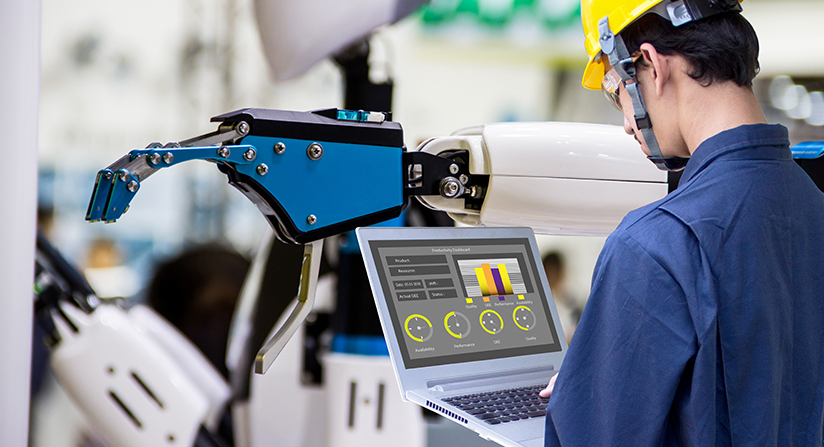
The manufacturing sector is undergoing rapid transformation as artificial intelligence (AI) technologies become more accessible and practical. Companies are seeking new ways to improve efficiency, reduce costs, and maintain a competitive edge. Understanding how manufacturers implement AI systems is crucial for organizations aiming to achieve operational excellence and future-proof their operations.
Integrating AI into manufacturing processes is not just about adopting new tools—it’s about rethinking workflows, leveraging data, and building smarter, more adaptive production environments. This article explores the strategies, technologies, and best practices that drive successful AI adoption in manufacturing.
As manufacturers explore AI-driven solutions, many are also interested in related advancements, such as how AI detects subtle anomalies in sensor telemetry, which can further enhance quality control and predictive maintenance efforts.
Key Drivers for AI Adoption in Manufacturing
The push toward digital transformation is fueled by several factors. Manufacturers face increasing pressure to optimize production lines, minimize downtime, and respond quickly to market changes. AI systems enable organizations to:
- Automate repetitive tasks and reduce human error
- Analyze large volumes of data for actionable insights
- Predict equipment failures and schedule proactive maintenance
- Enhance quality assurance with real-time monitoring
- Improve supply chain visibility and agility
These benefits are driving investment in AI-powered solutions across the industry, from large-scale enterprises to small and medium-sized manufacturers.
Steps to Successfully Deploy AI in Manufacturing Operations
Implementing AI in a manufacturing environment involves a structured approach. Here’s how organizations typically proceed:
- Assess Current Processes and Data Readiness: Before introducing AI, manufacturers evaluate existing workflows and the quality of available data. Clean, well-organized data is essential for effective machine learning models.
- Define Clear Objectives: Companies set specific goals, such as reducing scrap rates, improving throughput, or minimizing unplanned downtime. Clear objectives help guide technology selection and project scope.
- Select the Right Technologies: Depending on the use case, manufacturers may deploy machine learning, computer vision, or natural language processing tools. The choice depends on factors like data type, production environment, and integration needs.
- Pilot and Iterate: Initial pilots are launched on a small scale to validate the approach. Feedback from these pilots informs adjustments and helps build stakeholder confidence.
- Scale Across the Organization: Once proven, AI solutions are rolled out to additional lines, plants, or processes, with ongoing monitoring and optimization.
Common Use Cases: From Predictive Maintenance to Quality Control
Manufacturers are leveraging AI in diverse ways to drive operational improvements. Some of the most impactful applications include:
- Predictive Maintenance: Machine learning models analyze sensor data to forecast equipment failures, allowing for timely repairs and reduced downtime.
- Automated Quality Inspection: Computer vision systems inspect products on the line, identifying defects faster and more accurately than manual checks.
- Process Optimization: AI algorithms adjust parameters in real time to maximize yield and minimize waste.
- Supply Chain Optimization: AI-driven analytics improve demand forecasting, inventory management, and supplier performance.
These use cases demonstrate the versatility of AI in manufacturing and highlight the importance of a tailored approach for each organization.
Integrating AI with Existing Manufacturing Systems
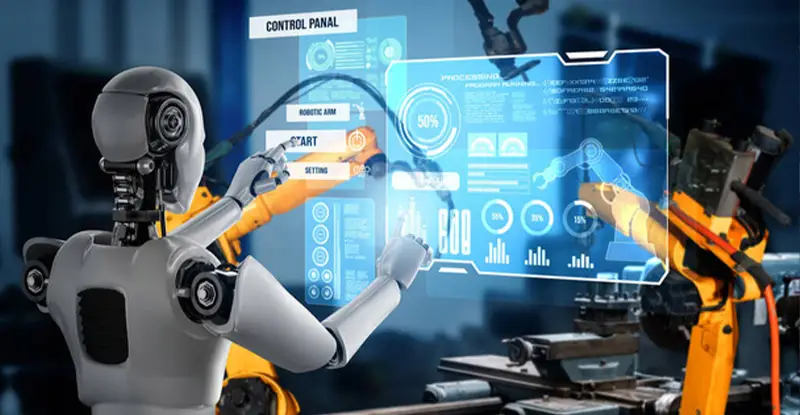
A major challenge for manufacturers is connecting AI tools with legacy equipment and enterprise resource planning (ERP) systems. Successful integration requires:
- Data Interoperability: Ensuring that AI platforms can access and process data from diverse sources, including sensors, PLCs, and MES systems.
- Edge Computing: Deploying AI models close to the production line for real-time decision-making, reducing latency and bandwidth requirements.
- Cybersecurity: Protecting sensitive production and operational data as connectivity increases.
- Change Management: Training staff and updating processes to maximize the value of AI solutions.
Manufacturers often collaborate with technology partners to ensure seamless integration and long-term support.
Challenges and Considerations When Adopting AI
While the benefits of AI are clear, manufacturers must address several hurdles:
- Data Quality: Incomplete or inaccurate data can undermine AI performance.
- Talent Shortages: Skilled professionals in data science and AI engineering are in high demand.
- Scalability: Moving from pilot projects to full-scale deployment requires robust infrastructure and change management.
- Return on Investment: Measuring and demonstrating ROI is essential for continued investment and executive buy-in.
Addressing these challenges requires a clear strategy, ongoing training, and a commitment to continuous improvement.
For those interested in the broader impact of AI, consider reading about the impact of AI on interceptor hit-to-kill probability to see how similar technologies are transforming other high-stakes industries.
Best Practices for Maximizing AI’s Value in Manufacturing
To ensure a successful journey, manufacturers should follow these best practices:
- Start with High-Impact Use Cases: Focus on projects that offer measurable benefits and can be scaled.
- Invest in Data Infrastructure: Build robust systems for collecting, storing, and managing production data.
- Foster a Culture of Innovation: Encourage cross-functional collaboration and continuous learning.
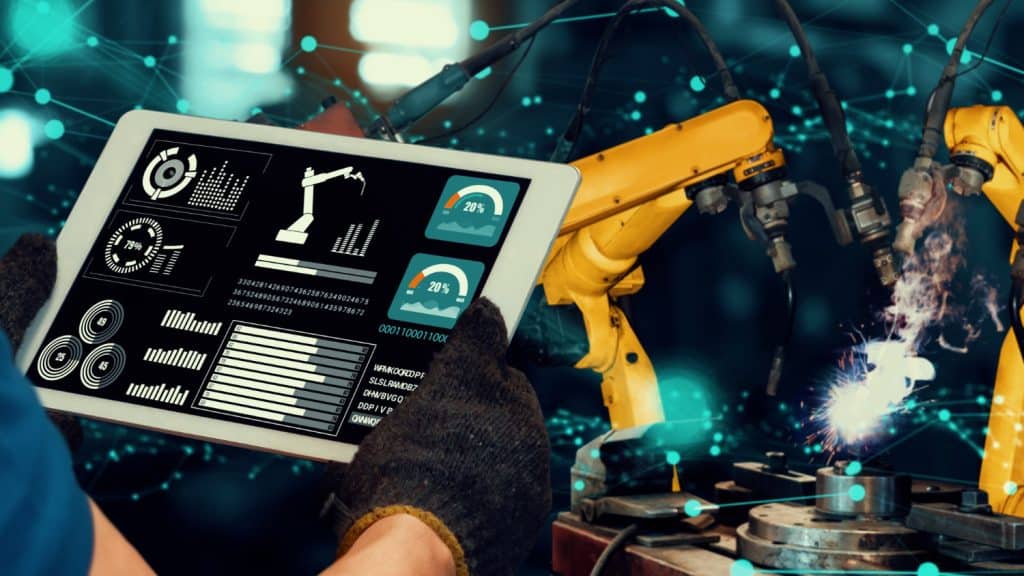
- Monitor and Optimize: Use analytics to track performance and refine AI models over time.
- Partner Strategically: Work with technology providers and consultants who understand the unique needs of manufacturing.
For a deeper dive into how AI is transforming the industrial landscape, explore this analysis of AI’s impact on manufacturing and industrial IoT.
FAQ: AI Implementation in Manufacturing
What are the first steps for manufacturers looking to adopt AI?
The initial steps involve assessing current processes, ensuring data quality, and defining clear business objectives. Starting with a pilot project in a high-impact area allows organizations to test the waters and demonstrate value before scaling up.
How can manufacturers ensure data security when using AI?
Data security is critical. Manufacturers should implement robust cybersecurity measures, restrict access to sensitive data, and work with trusted technology partners. Regular audits and employee training further reduce risks.
What skills are needed to support AI initiatives in manufacturing?
Successful AI projects require a mix of data science, machine learning, IT, and domain expertise. Upskilling existing staff and attracting new talent are both important for long-term success.
How does AI integration affect existing manufacturing workflows?
AI integration can streamline workflows, automate routine tasks, and provide real-time insights. However, it also requires change management, process updates, and ongoing monitoring to ensure smooth adoption.
Conclusion
Embracing AI is a strategic move for manufacturers aiming to achieve operational excellence. By following a structured approach, focusing on high-value use cases, and investing in the right infrastructure and talent, organizations can unlock significant benefits. As technology continues to evolve, those who adapt early will be best positioned to lead in the next era of manufacturing.