
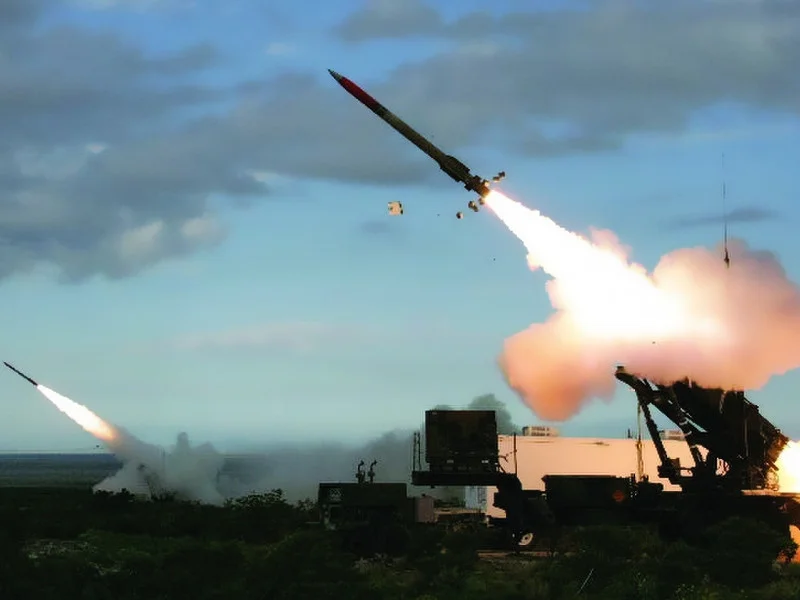
The rapid evolution of missile defense systems has made precision and adaptability more critical than ever. As threats become faster and more unpredictable, the ability to dynamically adjust an interceptor missile’s trajectory is essential for effective defense. How AI optimizes the flight path of interceptor missiles is now a central topic in both military technology and artificial intelligence research. By leveraging advanced algorithms and real-time data, AI-driven systems are transforming the way interceptor missiles detect, track, and neutralize incoming threats.
Recent advancements in AI have enabled missile defense platforms to process vast amounts of sensor data, make split-second decisions, and adapt to complex scenarios that would overwhelm traditional guidance systems. These innovations not only improve accuracy but also enhance the overall resilience of defense networks. For those interested in related applications, understanding impact of ai on interceptor hit-to-kill probability provides further insight into the broader role of artificial intelligence in missile defense.
AI’s Role in Modern Missile Guidance Systems
Traditional missile guidance relied on pre-programmed flight paths and limited onboard computation. However, the integration of artificial intelligence has revolutionized this process. Modern systems use machine learning models to analyze sensor data in real time, allowing for continuous adjustments to the missile’s trajectory. This is especially important when intercepting maneuverable or hypersonic targets, which can change course unexpectedly.
AI-driven guidance systems process inputs from radar, infrared, and other sensors, fusing this data to create a comprehensive picture of the threat environment. By doing so, they can anticipate evasive maneuvers and select the most effective interception strategy. This dynamic approach ensures that interceptor missiles remain on an optimal path, even as the situation evolves.
How AI Optimizes the Flight Path of Interceptor Missiles
At the heart of AI-powered missile defense is the ability to optimize flight paths in real time. This involves several key processes:
- Threat Assessment: AI algorithms rapidly evaluate incoming threats based on speed, trajectory, and potential evasive actions.
- Sensor Fusion: Data from multiple sources is combined to reduce uncertainty and improve tracking accuracy.
- Trajectory Prediction: Machine learning models predict the future position of the target, accounting for possible maneuvers.
- Adaptive Guidance: The missile’s flight path is continuously updated to maximize the probability of interception.
These capabilities allow defense systems to respond to complex scenarios that would be impossible to manage with conventional programming alone. For example, when a target deploys countermeasures or changes direction, AI can quickly recalculate the optimal interception point and adjust the missile’s course accordingly.
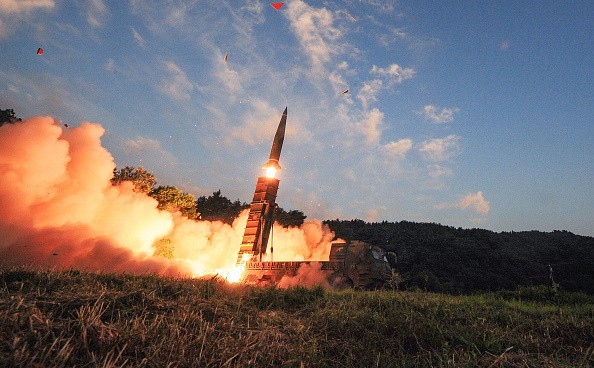
Key Technologies Enabling AI-Driven Optimization
Several technological advancements have made it possible for AI to play such a pivotal role in missile guidance:
- Deep Learning: Neural networks trained on vast datasets can recognize patterns and anticipate target behavior.
- Reinforcement Learning: Algorithms learn optimal strategies through simulated engagements, improving performance over time.
- Edge Computing: Onboard processors enable rapid decision-making without relying on remote servers, reducing latency.
- Sensor Integration: Advanced sensors provide high-resolution data, which is essential for accurate tracking and prediction.
These technologies work together to ensure that interceptor missiles can adapt to new threats and maintain a high probability of success. For a deeper look at how AI supports detection and early warning, see this overview of ballistic missile detection technologies and defense systems.
Challenges in AI-Based Flight Path Optimization
While the benefits of AI in missile guidance are significant, several challenges must be addressed to ensure reliable performance:
- Data Quality: AI systems depend on accurate, timely sensor data. Any delays or inaccuracies can reduce effectiveness.
- Adversarial Tactics: Opponents may attempt to deceive or overwhelm AI algorithms with decoys or electronic warfare.
- Computational Demands: Real-time optimization requires powerful processors capable of handling complex calculations under tight time constraints.
- System Security: Protecting AI algorithms from cyber threats is essential to prevent manipulation or disruption.
Ongoing research aims to address these issues, making AI-guided systems more robust and resilient. For example, redundancy in sensor networks and continual algorithm updates help mitigate the risks posed by data loss or adversarial interference.
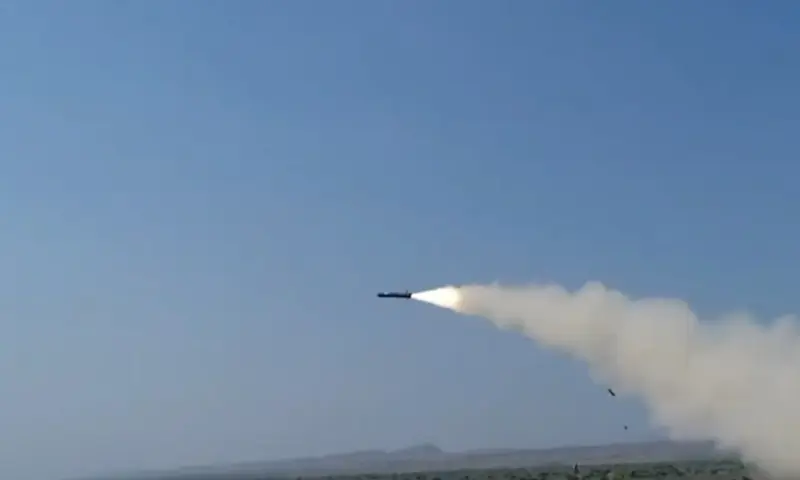
Real-World Applications and Future Trends
The use of AI in optimizing interceptor missile trajectories is already being implemented in advanced defense systems worldwide. For example, the integration of AI in the Patriot and THAAD missile systems has improved their ability to counter evolving threats. As adversaries develop faster and more maneuverable missiles, continuous innovation in AI algorithms will be necessary to maintain a technological edge.
Looking ahead, the future of missile defense will likely involve even greater autonomy, with AI systems capable of coordinating multiple interceptors and adapting to entirely new classes of threats. Collaboration between human operators and AI will remain essential, ensuring that ethical and strategic considerations are balanced with technological capabilities.
AI’s Broader Impact on Missile Defense Strategies
Beyond trajectory optimization, artificial intelligence is influencing other aspects of missile defense. These include anomaly detection in sensor telemetry, policy development, and even the prevention of accidental launches. Readers interested in related topics can explore what is the role of ai in preventing accidental launches and how ai detects subtle anomalies in sensor telemetry for more detailed discussions.
Additionally, AI is being used to analyze the type of fuel used in missile launches, which can provide valuable intelligence about the origin and intent of a threat. For more on this, see how ai identifies the type of fuel used in a missile launch.
Frequently Asked Questions
How does AI improve the accuracy of interceptor missiles?
AI enhances accuracy by processing sensor data in real time, predicting target movements, and continuously adjusting the missile’s trajectory. This dynamic approach allows the system to respond to unexpected maneuvers and countermeasures, increasing the likelihood of a successful interception.
What types of AI algorithms are used in missile guidance?
Missile guidance systems often use a combination of deep learning, reinforcement learning, and sensor fusion algorithms. These enable the system to recognize patterns, learn from simulated engagements, and integrate data from multiple sources for more reliable decision-making.
Are there risks associated with relying on AI for missile defense?
While AI offers significant benefits, there are risks such as data quality issues, adversarial tactics, and cybersecurity threats. Ensuring robust system design, regular updates, and strong security measures is essential to mitigate these risks and maintain reliable performance.