
The defense sector is rapidly evolving, with artificial intelligence (AI) playing a central role in modernizing military systems. As threats become more complex and technology cycles accelerate, defense organizations are turning to a modular open systems approach (MOSA) to maximize the flexibility, interoperability, and future-readiness of their AI-enabled platforms. Understanding the benefits of modular open systems approach in AI defense is crucial for decision-makers, engineers, and strategists seeking to maintain a technological edge.
This article explores how adopting modular, standards-based architectures in AI-driven defense systems leads to greater adaptability, cost savings, and improved mission effectiveness. It also highlights practical examples, integration challenges, and the broader impact on defense innovation.
For those interested in how connectivity advances support these trends, the impact of 5G on real-time AI defense communication is another key area shaping the future of military technology.
Understanding MOSA in the Context of AI-Driven Defense
At its core, a modular open systems approach refers to designing complex systems—such as missile defense networks, autonomous vehicles, or command and control platforms—using standardized, interoperable modules. This strategy enables components from different vendors or programs to work together seamlessly, supporting rapid upgrades and integration of new capabilities.
In the realm of AI defense, MOSA is especially valuable. AI algorithms and sensors are evolving quickly, and the ability to swap out or enhance modules without overhauling entire systems is a substantial advantage. This approach also encourages competition among suppliers, reduces vendor lock-in, and accelerates the adoption of cutting-edge technologies.
Key Advantages of Modular Architectures in AI Defense Systems
The benefits of modular open systems approach in ai defense are far-reaching. Here are some of the most significant advantages:
- Rapid Technology Refresh: Modular architectures allow defense organizations to quickly integrate the latest AI algorithms, sensors, or computing hardware. This agility is vital as adversaries deploy new tactics or technologies.
- Cost Efficiency: By reusing standardized modules across multiple platforms, development and maintenance costs are reduced. Upgrades can be targeted to specific modules rather than requiring full system replacements.
- Interoperability: Open standards ensure that systems from different branches or allied nations can communicate and share data effectively, which is critical for joint operations.
- Scalability and Flexibility: As mission requirements change, new modules can be added or swapped out to adapt to emerging threats or operational needs.
- Enhanced Security: Modular systems can isolate vulnerabilities, making it easier to patch or replace compromised components without disrupting the entire system.
How MOSA Accelerates AI Innovation in Defense
The pace of AI innovation is relentless. By adopting modular, open architectures, defense programs can keep up with—and even anticipate—technological shifts. For example, when a new machine learning model is developed for target recognition, it can be integrated into existing sensor platforms without needing to redesign the entire system.
This approach also fosters collaboration between government, industry, and academia. Startups and research institutions can develop specialized modules that plug into larger defense ecosystems, driving innovation from multiple sources. The result is a more dynamic and competitive defense technology marketplace.
For a deeper dive into how AI coordinates layered defense strategies, see how ai coordinates multi-layered defense shields.
Real-World Applications: AI and Modular Defense Platforms
Practical implementations of MOSA in AI defense are already underway. Examples include:
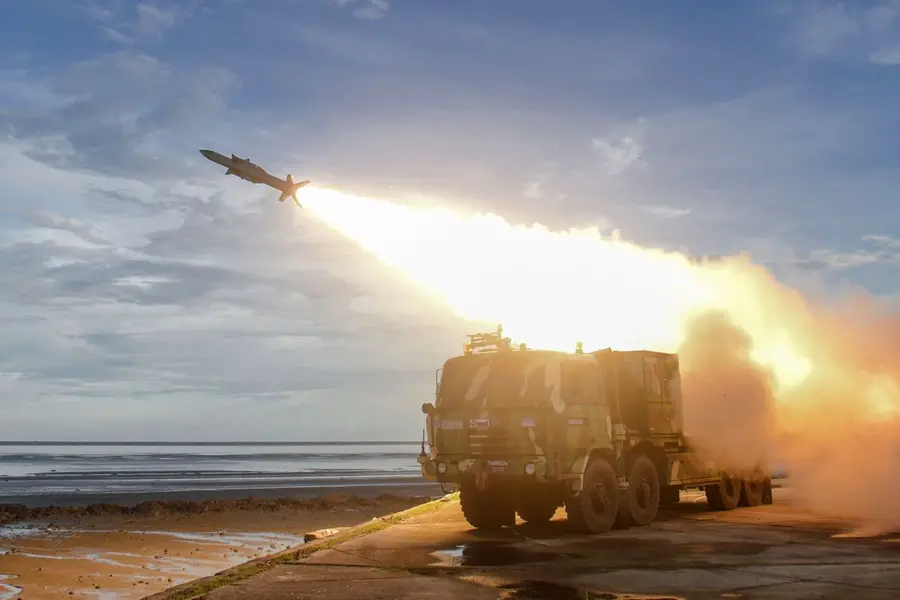
- Missile Defense: Modular AI components analyze sensor data, predict threats, and coordinate intercepts. As new missile types emerge, updated AI modules can be deployed rapidly.
- Autonomous Vehicles: Unmanned aerial and ground vehicles use plug-and-play AI modules for navigation, target identification, and mission planning.
- Command and Control Systems: Modular AI decision aids help commanders process vast amounts of data and make faster, more informed decisions.
These applications demonstrate how modularity and AI together create more resilient, adaptable, and effective defense systems.

Challenges and Considerations for Implementation
While the benefits of modular open systems approach in ai defense are clear, implementation is not without challenges. Key considerations include:
- Standardization: Developing and enforcing open standards across diverse stakeholders can be complex, especially when integrating legacy systems.
- Cybersecurity: Open interfaces may introduce new attack surfaces. Robust security protocols and continuous monitoring are essential.
- Supply Chain Management: Ensuring the integrity and reliability of third-party modules requires rigorous vetting and certification processes.
- Change Management: Transitioning from traditional, monolithic systems to modular architectures involves cultural and organizational shifts.
Despite these hurdles, the long-term advantages of modularity and openness far outweigh the initial complexity, especially as threats and technologies continue to evolve.
Strategic Impact on Defense Readiness and Deterrence
By enabling faster upgrades and broader interoperability, MOSA strengthens deterrence and operational readiness. Defense organizations can respond to adversary advances with agility, deploying new AI capabilities as soon as they become available.
This flexibility is particularly important in domains like missile defense, where adversaries are constantly developing new tactics. For more on how AI is used to analyze adversary missile tests, see how ai analyzes adversary missile test data.
The strategic value of integrating AI and modularity is also discussed in resources such as AI at the nexus of nuclear deterrence: enhancing left-of-launch operations, which explores how these technologies shape modern deterrence strategies.
Future Trends: The Road Ahead for Modular AI Defense Systems
Looking forward, the adoption of MOSA in AI defense will likely accelerate as new standards mature and the benefits become even more pronounced. Emerging trends include:
- AI-Driven Autonomy: Modular AI will power increasingly autonomous platforms, from drones to missile defense systems, with the ability to upgrade decision-making modules as algorithms improve.
- Multi-Domain Operations: Open architectures will support seamless integration across air, land, sea, space, and cyber domains, enabling coordinated responses to complex threats.
- Continuous Integration: Defense organizations will adopt agile development practices, continuously integrating and testing new AI modules in operational environments.
As these trends unfold, the importance of modularity, open standards, and AI will only grow, shaping the future of defense technology and strategy.
FAQ: Modular Open Systems and AI in Defense
What is a modular open systems approach in military technology?
A modular open systems approach involves designing defense platforms using standardized, interoperable modules. This allows for easier upgrades, integration of new technologies, and improved collaboration across different organizations and allied forces.
How does MOSA improve the integration of AI in defense systems?
By using open standards and modular components, MOSA enables defense organizations to quickly incorporate the latest AI advancements. New AI modules can be added or replaced without redesigning the entire system, ensuring rapid adaptation to evolving threats.
Are there risks associated with modular open architectures in defense?
While modularity offers many benefits, it also introduces challenges such as increased cybersecurity risks and the need for rigorous standardization. Careful planning, robust security protocols, and ongoing oversight are essential to mitigate these risks.