
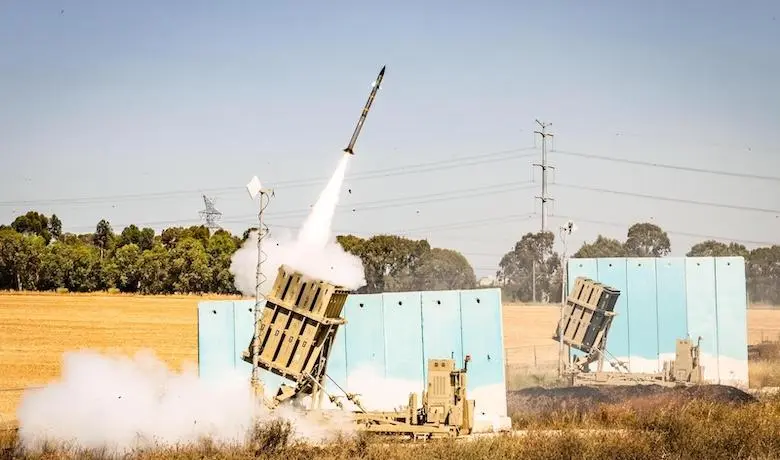
As modern defense and security operations increasingly rely on artificial intelligence, the need to secure cloud-native AI for tactical edge use has become a critical concern. Deploying AI at the tactical edge—where real-time decisions are made in contested and resource-constrained environments—introduces unique security challenges. These environments often lack the robust infrastructure of traditional data centers, making AI systems more vulnerable to cyber threats, data breaches, and operational disruptions.
Understanding how to safeguard these advanced technologies is essential for mission success and operational resilience. This article explores best practices, emerging threats, and practical strategies for protecting AI workloads deployed at the edge, ensuring that military and defense organizations can trust the insights and automation provided by their AI systems even in the most demanding scenarios.
For those interested in the technical aspects of AI in defense, our recent analysis on how AI identifies the type of fuel used in a missile launch provides further insight into the intersection of artificial intelligence and tactical operations.
Challenges of Protecting AI at the Tactical Edge
Deploying AI in forward-operating environments brings a distinct set of obstacles. Unlike centralized cloud deployments, edge locations often face:
- Limited connectivity to secure networks or cloud resources
- Exposure to physical tampering and environmental hazards
- Increased risk of cyberattacks due to proximity to adversarial actors
- Resource constraints, including power, compute, and storage limitations
These factors make it imperative to design AI systems with robust security controls that can operate autonomously and withstand both digital and physical threats.

Key Principles for Securing Cloud-Native AI in Edge Environments
To address the unique risks of tactical deployments, organizations should adopt a layered security approach. Here are the foundational principles for how to secure cloud-native AI for tactical edge use:
- Zero Trust Architecture: Assume that no device or user is inherently trustworthy. Implement strict identity verification, continuous authentication, and least-privilege access controls for all AI components.
- Data Encryption: Protect sensitive data at rest, in transit, and during processing. Use strong encryption standards and hardware-based security modules to safeguard AI models and operational data.
- Secure Software Supply Chain: Ensure that all software, containers, and AI models deployed at the edge are verified, signed, and free from tampering. Regularly scan for vulnerabilities and maintain an inventory of trusted components.
- Resilient Networking: Design communication protocols that can operate securely even with intermittent connectivity. Use end-to-end encryption and authenticated channels to prevent eavesdropping or data injection attacks.
- Physical Security: Harden edge devices against physical access, tampering, or theft. Employ tamper-evident seals, secure enclosures, and automatic data destruction mechanisms if compromise is detected.
Emerging Threats to AI Systems at the Edge
As AI becomes more prevalent in defense and security, adversaries are developing sophisticated techniques to target these systems. Some of the most pressing threats include:
- Adversarial Machine Learning: Attackers may attempt to manipulate input data or model parameters to cause AI systems to make incorrect decisions.
- Model Theft and Reverse Engineering: Edge deployments are more susceptible to unauthorized access, making it easier for attackers to steal proprietary AI models.
- Data Poisoning: Malicious actors may inject false or misleading data into training or operational datasets, degrading the reliability of AI outputs.
- Denial of Service (DoS): Overloading edge resources can disrupt AI inference or decision-making, potentially leading to mission failure.
Staying ahead of these threats requires continuous monitoring, rapid patching, and adaptive defense mechanisms tailored to the tactical context.
Best Practices for Hardening AI Workloads in the Field
Implementing practical security measures is essential for protecting AI at the edge. The following best practices can help organizations achieve robust protection:
- Containerization and Microservices: Deploy AI workloads in isolated containers or microservices to limit the blast radius of any compromise and simplify patching.
- Automated Security Monitoring: Use AI-driven monitoring tools to detect anomalies, unauthorized access, or suspicious behavior in real time.
- Regular Model Updates: Continuously update AI models and software to address emerging vulnerabilities and adapt to evolving threats.
- Red Team Exercises: Conduct simulated attacks to identify weaknesses in AI systems and improve defensive strategies.
- Edge-Specific Incident Response Plans: Develop and rehearse response procedures tailored to the unique constraints of tactical environments, including rapid isolation and recovery of compromised systems.
For a deeper look at how AI is transforming defense capabilities, including its impact on missile defense, see our coverage of the impact of AI on interceptor hit-to-kill probability.
Integrating Secure AI with Mission Systems
Ensuring that AI systems can be trusted in the field requires seamless integration with existing mission systems and workflows. Key considerations include:
- Interoperability: AI solutions should be compatible with a range of sensors, communication platforms, and command systems.
- Continuous Validation: Regularly validate AI outputs against known benchmarks and real-world outcomes to detect drift or degradation.
- Human-in-the-Loop Oversight: Maintain human oversight for critical decisions, allowing operators to intervene if AI behavior appears anomalous.
As new AI-powered defense tools emerge, such as those described in this report on advanced AI for air defense against missiles and drone swarms, integrating security from the outset is vital for operational trust and effectiveness.
Continuous Improvement and Future Directions
The landscape of how to secure cloud-native AI for tactical edge use is constantly evolving. As adversaries develop new attack vectors, defenders must adopt a proactive, adaptive approach. Emerging trends include:
- Federated Learning: Training AI models across distributed edge devices without centralizing sensitive data, reducing the risk of large-scale data breaches.
- Confidential Computing: Leveraging hardware-based secure enclaves to protect AI workloads during execution, even from privileged insiders.
- Explainable AI: Enhancing transparency and accountability, making it easier to detect and respond to unexpected AI behavior.
Organizations should invest in research, workforce training, and cross-domain collaboration to stay ahead of emerging threats and ensure the resilience of their AI deployments.
FAQ
What makes securing AI at the tactical edge different from traditional cloud environments?
Edge environments often lack the robust infrastructure, connectivity, and physical protections of centralized data centers. This increases the risk of both cyber and physical attacks, requiring specialized security measures tailored to resource-constrained and high-threat settings.
How can organizations detect if their AI models have been tampered with at the edge?
Regular integrity checks, cryptographic signing of models, and automated anomaly detection can help identify unauthorized changes. Implementing continuous monitoring and alerting is essential for early detection and response.
Are there standards or frameworks for securing cloud-native AI in defense applications?
While no single standard covers all aspects, organizations often draw from frameworks like NIST SP 800-207 (Zero Trust), MITRE ATT&CK for adversarial tactics, and industry best practices for secure software development and deployment. Tailoring these to the unique needs of tactical edge deployments is recommended.