
The modern manufacturing landscape is evolving rapidly, driven by the need for greater efficiency, quality, and adaptability. As factories embrace digital transformation, artificial intelligence (AI) is emerging as a crucial enabler for data-driven manufacturing. By harnessing vast amounts of production data, AI empowers manufacturers to make smarter, faster, and more accurate decisions at every stage of the process.
From predictive maintenance to supply chain optimization, AI-driven insights are reshaping how products are designed, built, and delivered. This article explores the practical ways AI strengthens data-based decision-making in manufacturing, highlighting real-world applications, benefits, and key considerations for implementation.
For those interested in the broader impact of artificial intelligence on industrial systems, you may also want to read about impact of AI on interceptor hit-to-kill probability and related innovations in the defense sector.
The Role of AI in Transforming Manufacturing Analytics
Manufacturing generates enormous volumes of data from sensors, machines, and enterprise systems. Traditionally, extracting actionable insights from this data was a slow, manual process. AI changes the game by automating data analysis, identifying patterns, and uncovering trends that would be difficult or impossible for humans to detect.
Machine learning algorithms can process real-time production data, flagging anomalies, predicting equipment failures, and optimizing workflows. This shift toward AI-powered analytics enables manufacturers to move from reactive to proactive decision-making, reducing downtime and improving overall efficiency.
Key Applications: How AI Drives Data-Backed Decisions
The integration of AI into manufacturing environments touches nearly every aspect of the value chain. Here are some of the most impactful applications:
- Predictive Maintenance: AI models analyze sensor data to forecast when machinery is likely to fail, allowing for timely interventions and minimizing unplanned downtime.
- Quality Control: Computer vision and deep learning algorithms inspect products for defects in real time, ensuring consistent quality and reducing waste.
- Process Optimization: AI-driven systems continuously monitor and adjust production parameters to maximize throughput and minimize resource consumption.
- Supply Chain Management: By analyzing historical and real-time data, AI helps optimize inventory levels, predict demand, and improve logistics.
- Energy Management: Intelligent systems identify opportunities to reduce energy usage, lowering costs and supporting sustainability goals.
Benefits of AI-Driven Manufacturing Intelligence
Embracing AI for data-based decision-making delivers measurable advantages for manufacturers. Some of the most significant benefits include:
- Increased Productivity: Automated monitoring and optimization free up human resources for higher-value tasks, boosting overall output.
- Reduced Costs: Predictive analytics help avoid costly breakdowns and minimize waste, leading to substantial savings.
- Improved Product Quality: Real-time defect detection and process adjustments ensure products meet strict quality standards.
- Enhanced Agility: Data-driven insights enable manufacturers to respond quickly to market changes and customer demands.
- Better Compliance: Automated data collection and analysis support regulatory reporting and traceability requirements.
For a deeper dive into how AI is revolutionizing industrial operations, check out this comprehensive overview of AI in manufacturing from Autodesk.
Challenges and Considerations for Implementation
While the advantages are clear, integrating AI into manufacturing is not without its challenges. Organizations must address several key factors to realize the full potential of AI-supported data-driven manufacturing:
- Data Quality: AI systems rely on accurate, well-structured data. Incomplete or inconsistent data can lead to unreliable insights.
- Integration Complexity: Connecting legacy equipment and disparate data sources requires careful planning and investment.
- Workforce Skills: Employees need training to interpret AI outputs and act on recommendations effectively.
- Cybersecurity: Increased connectivity and data sharing raise the stakes for protecting sensitive information.
- Change Management: Shifting to a data-centric culture involves overcoming resistance and aligning stakeholders around new ways of working.
Real-World Example: Smart Factories in Action
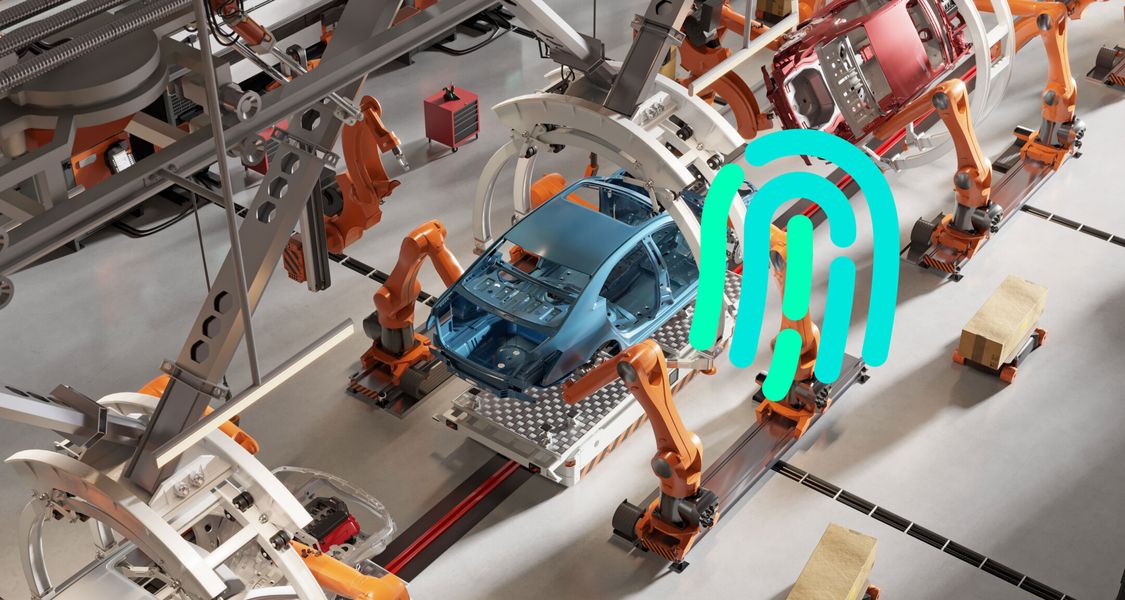
Smart factories are a prime example of how AI and data analytics are transforming manufacturing. These facilities use interconnected sensors, cloud computing, and advanced algorithms to automate decision-making and optimize every aspect of production.
For instance, a smart automotive plant might use AI to monitor assembly line performance, predict equipment failures, and dynamically adjust schedules based on supply chain disruptions. This holistic approach not only improves operational efficiency but also supports continuous improvement and innovation.
Those interested in anomaly detection and advanced monitoring may also find value in learning how AI detects subtle anomalies in sensor telemetry, which is increasingly relevant for predictive maintenance in manufacturing.
Best Practices for Leveraging AI in Manufacturing
To maximize the impact of AI on data-driven decision-making, manufacturers should consider the following best practices:
- Start with Clear Objectives: Define specific business goals and identify areas where AI can deliver measurable value.
- Invest in Data Infrastructure: Ensure robust systems for collecting, storing, and managing data across the organization.
- Foster Collaboration: Encourage cross-functional teams to work together, combining domain expertise with data science skills.
- Iterate and Scale: Begin with pilot projects, measure results, and gradually expand successful initiatives.
- Prioritize Security and Compliance: Implement strong cybersecurity measures and adhere to relevant regulations.
For those interested in the intersection of AI and safety, you might also explore the role of AI in preventing accidental launches, which highlights the importance of robust data-driven systems in high-stakes environments.
FAQ: AI and Data-Driven Manufacturing
What types of data does AI use in manufacturing?
AI systems in manufacturing utilize a wide range of data sources, including sensor readings from machines, production logs, quality inspection results, supply chain data, and even environmental conditions. By aggregating and analyzing this information, AI can provide actionable insights for process improvement and operational efficiency.
How does AI improve quality control on the factory floor?
AI-powered vision systems and machine learning models can inspect products in real time, identifying defects or inconsistencies that might be missed by human inspectors. This leads to higher product quality, reduced waste, and faster response to quality issues.
Is it difficult to implement AI in existing manufacturing operations?
Integrating AI into established manufacturing environments can be complex, especially when dealing with legacy equipment and fragmented data sources. However, starting with targeted pilot projects and gradually expanding successful use cases can help organizations manage the transition effectively.
Conclusion
Artificial intelligence is rapidly becoming a cornerstone of data-driven manufacturing. By automating data analysis and delivering real-time insights, AI empowers manufacturers to make informed decisions that drive productivity, quality, and competitiveness. As adoption continues to grow, those who invest in the right technologies and strategies will be well-positioned to thrive in the future of smart manufacturing.