
Artificial intelligence is rapidly transforming the landscape of education, and its impact is especially significant in the fields of science, technology, engineering, and mathematics. For students with special educational needs, these advancements offer new opportunities to access, engage with, and excel in STEM learning environments. By leveraging AI for special education in STEM, educators and technologists are working to make complex subjects more accessible, adaptive, and inclusive.
This article explores how artificial intelligence is being integrated into STEM education for learners with diverse needs. We will look at the technologies driving this change, practical classroom applications, the benefits and challenges, and what the future may hold for inclusive learning in STEM disciplines.
For those interested in collaborative approaches, our guide on AI supported collaborative learning provides further insights into how artificial intelligence enhances teamwork and peer interaction in educational settings.
Understanding the Role of AI in Inclusive STEM Classrooms
The integration of artificial intelligence in education is not just about automating tasks or providing digital resources. For special education, AI-driven tools can personalize learning experiences, adapt content to individual needs, and offer real-time support that was previously unavailable. In STEM subjects, where abstract concepts and problem-solving are central, these technologies can make a profound difference for students who require tailored instruction.
AI-powered systems can analyze students’ strengths, learning styles, and challenges. This allows for the creation of custom pathways through STEM content, ensuring that learners with disabilities or unique learning profiles receive the support they need. For example, adaptive math platforms can adjust the difficulty of problems, while AI-driven science simulations can provide alternative representations for students with visual or auditory impairments.
Key Technologies Supporting Special Needs in STEM
Several advancements are shaping the use of AI for special education in STEM environments. These technologies are designed to address a wide range of learning differences and disabilities, including cognitive, physical, and sensory challenges.
- Adaptive Learning Platforms: These systems use machine learning to adjust content and pacing based on each student’s progress. For learners with special needs, this means lessons can be slowed down, repeated, or presented in alternative formats.
- Speech Recognition and Natural Language Processing: AI tools can convert spoken language to text and vice versa, helping students with reading or writing difficulties participate fully in STEM activities.
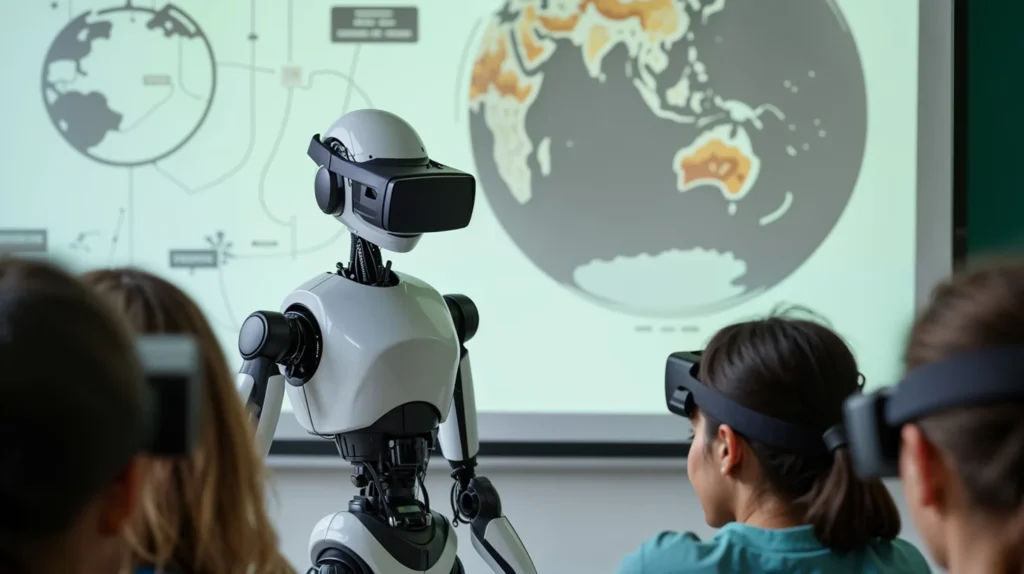
- Assistive Robotics: Robots powered by AI can provide hands-on assistance in labs or act as interactive tutors, supporting students with mobility or communication challenges.
- Visual and Sensory Aids: Computer vision and sensory technologies can translate diagrams, graphs, and equations into accessible formats, such as audio descriptions or tactile feedback.
- Predictive Analytics: By analyzing learning data, AI can help educators identify when a student may be struggling and suggest timely interventions.
Benefits of Artificial Intelligence for Diverse Learners in STEM
The application of AI in special education STEM programs offers several clear advantages. These benefits extend to students, teachers, and the broader educational community.
- Personalization: AI enables highly individualized instruction, ensuring that each learner’s unique needs are met.
- Accessibility: Tools powered by artificial intelligence can break down barriers for students with disabilities, making STEM content more approachable.
- Engagement: Interactive and adaptive technologies can boost motivation and participation among students who might otherwise feel excluded from STEM subjects.
- Efficiency for Educators: Teachers can use AI-driven insights to better allocate their time and resources, focusing on students who need the most support.
- Data-Driven Decision Making: With real-time analytics, educators can make informed choices about instructional strategies and interventions.
Challenges and Considerations in Implementing AI Solutions
While the promise of AI for special education in STEM is significant, there are important challenges to address. Not all schools have equal access to advanced technologies, and there are concerns about data privacy, algorithmic bias, and the need for teacher training.
Some key considerations include:
- Equity of Access: Ensuring that all students, regardless of their background or school resources, can benefit from AI-enhanced learning tools.
- Data Security: Protecting sensitive student information is critical, especially when using systems that collect and analyze personal learning data.
- Bias and Fairness: AI algorithms must be carefully designed and monitored to avoid reinforcing existing biases or excluding certain groups of learners.
- Teacher Readiness: Educators need professional development and ongoing support to effectively integrate AI tools into their teaching practice.
For a deeper dive into the role of artificial intelligence in remote learning environments, see our article on AI in remote STEM education.

Real-World Examples of AI in STEM Special Education
Schools and educational organizations around the world are beginning to implement AI-driven solutions to support learners with special needs in STEM subjects. Some notable examples include:
- Math Tutoring Systems: AI-powered platforms that adapt to students’ skill levels and provide step-by-step guidance for problem-solving.
- Accessible Science Labs: Virtual labs that use AI to simulate experiments, allowing students with physical disabilities to participate in hands-on STEM activities.
- Speech-to-Text Tools: Applications that help students with dyslexia or other language-based learning differences engage with written STEM content.
- Personalized Learning Paths: Systems that use data analytics to recommend specific STEM topics, exercises, or projects based on each student’s interests and abilities.
Research continues to highlight the positive impact of these technologies. For more on the latest findings, see this peer-reviewed study on AI applications in special education.
Looking Ahead: The Future of AI in Inclusive STEM Education
As artificial intelligence continues to evolve, its role in supporting special education within STEM fields is likely to expand. Emerging trends include the use of generative AI for creating custom learning materials, advanced analytics for early identification of learning challenges, and greater integration with other educational technologies.
Collaboration between educators, technologists, and policymakers will be essential to ensure that these innovations are implemented ethically and equitably. Ongoing research, pilot programs, and feedback from students and teachers will help shape the next generation of AI tools for inclusive STEM education.
For those interested in blended approaches, our overview of AI in blended STEM learning discusses how artificial intelligence can bridge in-person and digital instruction for students with diverse needs.
Frequently Asked Questions
How does AI personalize STEM learning for students with special needs?
Artificial intelligence can analyze each student’s learning profile, adapting content and pacing to suit their individual strengths and challenges. This ensures that STEM lessons are accessible and engaging for learners with a wide range of abilities.
What are some common AI tools used in special education STEM classrooms?
Common tools include adaptive learning platforms, speech recognition software, assistive robotics, and visual aids that convert STEM content into accessible formats. These technologies help break down barriers and provide real-time support.
Are there any risks or challenges with using AI in special education?
Yes, challenges include ensuring equitable access to technology, protecting student data privacy, avoiding algorithmic bias, and providing adequate training for teachers. Addressing these issues is crucial for the successful and ethical use of AI in education.
For more on how gamification and hands-on learning are enhanced by artificial intelligence, explore our articles on AI gamification in STEM education and AI in hands on STEM learning.