
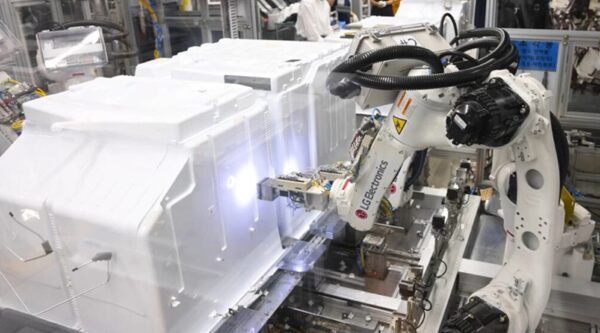
The manufacturing sector is undergoing a significant transformation as artificial intelligence becomes increasingly integrated into continuous production environments. These systems, which operate non-stop to maximize throughput and efficiency, are now leveraging advanced algorithms and machine learning to optimize every stage of the process. By embedding AI in continuous production systems, manufacturers can achieve higher productivity, reduce downtime, and make better use of resources.
As industries adopt these intelligent solutions, the benefits extend beyond automation. AI-driven analytics, predictive maintenance, and real-time process control are reshaping how factories operate, leading to smarter and more sustainable operations. For those interested in the intersection of AI and industrial innovation, exploring related topics such as how AI detects subtle anomalies in sensor telemetry can provide deeper insights into the broader impact of artificial intelligence across various sectors.
Understanding the Role of AI in Modern Production Lines
Continuous production systems are designed for uninterrupted operation, often found in industries like chemicals, food processing, and automotive manufacturing. The integration of artificial intelligence into these environments allows for real-time monitoring, adaptive control, and data-driven decision-making. By analyzing vast amounts of sensor and machine data, AI can identify inefficiencies, predict equipment failures, and suggest process improvements.
For example, machine learning models can detect subtle shifts in production quality or equipment behavior, enabling operators to intervene before minor issues escalate into costly downtime. This proactive approach is a major shift from traditional reactive maintenance strategies, resulting in improved reliability and reduced operational costs.
Key Benefits of Intelligent Automation in Continuous Operations
The adoption of AI-powered solutions in continuous manufacturing brings a range of tangible advantages:
- Predictive Maintenance: AI algorithms can forecast when machines are likely to fail, allowing for timely interventions and minimizing unplanned outages.
- Process Optimization: By continuously analyzing production data, AI can recommend adjustments to parameters such as temperature, pressure, or speed to maximize yield and quality.
- Energy Efficiency: Intelligent systems can identify opportunities to reduce energy consumption without compromising output, supporting sustainability goals.
- Quality Assurance: Automated inspection powered by computer vision and deep learning ensures consistent product quality and reduces waste.
- Resource Allocation: AI can dynamically allocate resources such as labor, materials, and equipment to meet changing demand and production schedules.
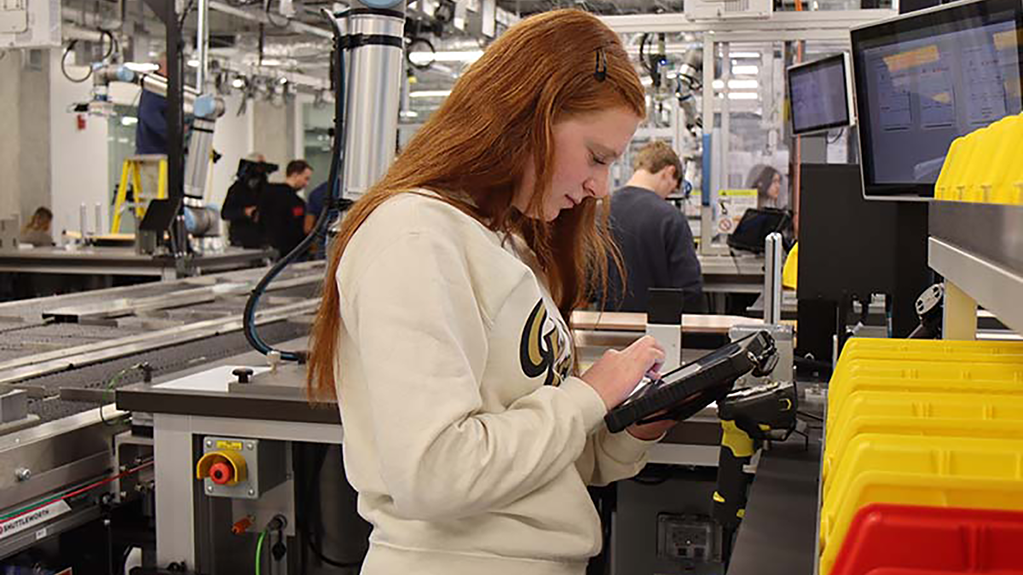
How Data-Driven Insights Transform Production Efficiency
One of the most powerful aspects of AI in continuous production systems is the ability to turn raw data into actionable insights. Advanced analytics platforms collect information from sensors, PLCs, and enterprise systems, processing it in real time to identify trends and anomalies. This enables operators and managers to make informed decisions quickly, improving both short-term performance and long-term strategic planning.
For instance, AI can help pinpoint bottlenecks in the production flow, recommend process changes, or even automate adjustments without human intervention. Over time, these incremental improvements add up to significant gains in productivity, cost savings, and product consistency.
Real-World Applications and Industry Examples
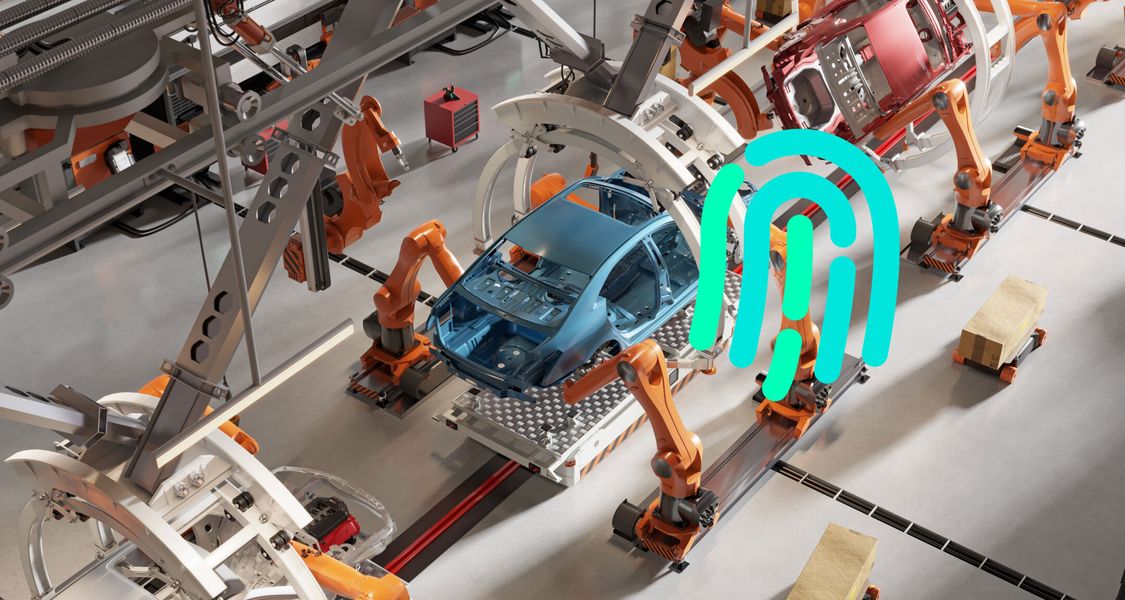
The practical uses of AI in manufacturing are expanding rapidly. In the automotive sector, AI-driven robots and vision systems streamline assembly lines, while in the food industry, machine learning models optimize ingredient mixing and cooking times for consistent results. Chemical plants use predictive analytics to monitor reactor conditions and prevent hazardous incidents.
According to industry research on AI in manufacturing, companies that embrace these technologies report higher equipment uptime, faster response to market changes, and improved compliance with safety and quality standards.
Challenges and Considerations for Implementation
While the advantages are clear, integrating artificial intelligence into continuous production environments is not without challenges. Data quality and availability are critical—AI models require large volumes of accurate, timely data to function effectively. Legacy equipment may lack connectivity, necessitating upgrades or retrofitting with modern sensors.
Change management is another key factor. Employees must be trained to work alongside intelligent systems, and organizational culture must support data-driven decision-making. Cybersecurity is also a growing concern as more devices become interconnected.
For organizations considering this journey, learning from adjacent fields can be valuable. For example, insights from the impact of AI on interceptor hit-to-kill probability highlight the importance of robust data pipelines and real-time analytics in mission-critical environments.
Future Trends: What’s Next for AI-Driven Production?
The future of continuous manufacturing will be shaped by ongoing advancements in artificial intelligence. Edge computing, where AI processes data locally on the factory floor, is reducing latency and enabling faster decision-making. Digital twins—virtual replicas of physical assets—are being used to simulate and optimize production scenarios before changes are made in the real world.
As AI continues to evolve, expect to see greater integration with other technologies such as the Industrial Internet of Things (IIoT), robotics, and advanced analytics. These developments will further enhance the agility, resilience, and sustainability of continuous production systems.
FAQ: AI and Continuous Manufacturing
How does AI improve efficiency in continuous production?
Artificial intelligence enhances efficiency by monitoring equipment in real time, predicting maintenance needs, and optimizing process parameters. This reduces downtime, minimizes waste, and ensures consistent product quality.
What industries benefit most from AI in non-stop production environments?
Sectors such as automotive, chemicals, pharmaceuticals, and food processing see significant gains from AI integration. These industries rely on high-volume, uninterrupted operations where even small improvements can yield substantial savings.
What are the main challenges when adopting AI in manufacturing?
Key challenges include ensuring data quality, upgrading legacy systems, managing organizational change, and maintaining cybersecurity. Success depends on a clear strategy, strong leadership, and ongoing investment in skills and infrastructure.
As the landscape evolves, staying informed about related innovations—like the role of AI in preventing accidental launches—can help organizations anticipate emerging risks and opportunities.