
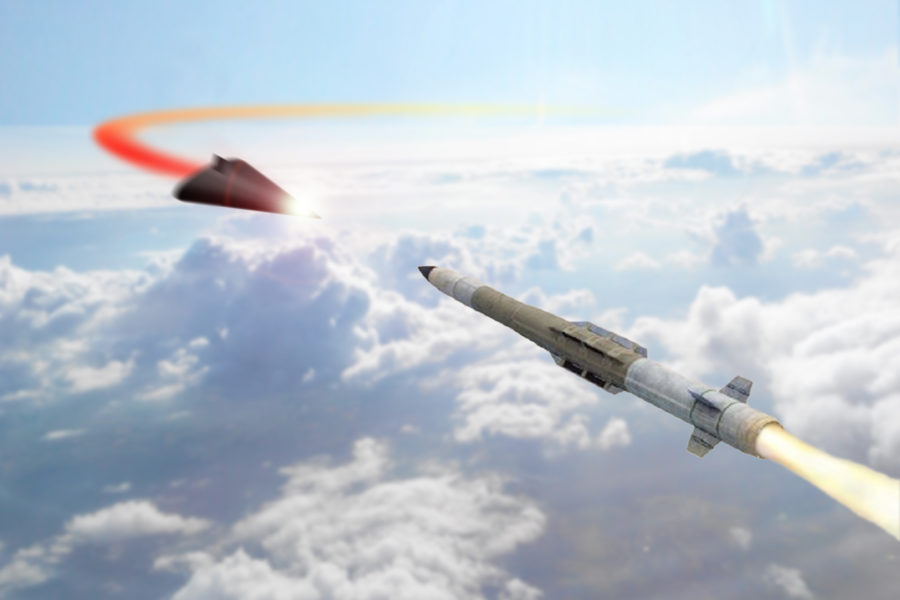
As modern missile threats grow more advanced and unpredictable, the need for highly effective missile defense systems has never been greater. One of the most critical measures of success for these systems is the hit-to-kill (HTK) probability—the likelihood that an interceptor will directly collide with and neutralize an incoming threat. Artificial intelligence (AI) is rapidly transforming how interceptors operate, analyze data, and make split-second decisions, directly influencing their success rates.
This article explores how AI-driven technologies are reshaping the landscape of missile defense, focusing on the ways intelligent algorithms enhance the precision, responsiveness, and adaptability of interceptors. For readers interested in the broader context of AI in space-based missile defense, the how ai identifies missile launch signatures from space guide provides valuable background on early detection and tracking.
Understanding Hit-to-Kill Probability in Missile Defense
The concept of hit-to-kill probability is central to evaluating the effectiveness of missile interceptors. Unlike proximity-based warheads, HTK systems rely on a direct collision with the target, demanding extreme accuracy in guidance, navigation, and control. Achieving a high probability of success requires rapid processing of sensor data, precise trajectory calculations, and real-time adjustments to account for unpredictable target maneuvers.
Traditional interceptors have depended on pre-programmed algorithms and human-in-the-loop decision-making. However, these methods often struggle to keep pace with the speed and complexity of modern missile threats, especially those employing evasive tactics or traveling at hypersonic velocities.
How AI Enhances Interceptor Guidance and Targeting
The integration of artificial intelligence into interceptor systems marks a significant leap forward in missile defense. AI algorithms can process vast amounts of sensor and radar data in real time, enabling interceptors to track, predict, and respond to fast-moving targets with unprecedented speed and accuracy.

Key improvements driven by AI in this context include:
- Adaptive Guidance: Machine learning models can analyze target behavior and adapt interceptor flight paths on the fly, increasing the likelihood of a direct hit.
- Sensor Fusion: AI combines data from multiple sources—radar, infrared, optical—to create a more accurate, real-time picture of the battlespace.
- Predictive Targeting: Algorithms forecast future target positions based on observed maneuvers, allowing interceptors to anticipate and counter evasive actions.
- Reduced Human Latency: Automated decision-making minimizes the delay between threat detection and interceptor response, which is crucial for engaging hypersonic or maneuverable targets.
For more on how AI copes with environmental challenges, see the article on how ai handles atmospheric interference in tracking.
AI’s Role in Real-Time Threat Assessment and Response
The ability to rapidly assess threats and adjust engagement strategies is vital for maximizing interceptor effectiveness. AI-powered systems excel at filtering out false alarms, prioritizing targets, and reallocating resources as the tactical situation evolves.
In recent conflicts, AI-enabled interceptors have demonstrated the capacity to engage multiple incoming threats simultaneously, even when faced with decoys or electronic countermeasures. By continuously learning from each engagement, these systems refine their algorithms to improve future performance.
According to a report on AI-powered warfare, the speed at which AI can process and act on battlefield data is outpacing traditional command structures, leading to a new era of rapid, automated defense responses.
Challenges and Limitations of AI in Missile Interception
While the benefits of AI in missile defense are substantial, several challenges remain. Machine learning models require extensive training data to handle the full spectrum of possible threat behaviors. Adversaries may develop new tactics specifically designed to confuse or deceive AI algorithms, such as unpredictable flight paths or electronic jamming.

Additionally, the reliance on AI introduces concerns about system transparency and accountability. Understanding how an AI-driven interceptor makes decisions is crucial for both operational trust and post-engagement analysis. For insights into how AI supports analysis after missile engagements, refer to how ai assists in post-launch damage assessment.
Future Trends: AI-Driven Improvements in HTK Probability
Looking ahead, the continued evolution of AI promises even greater enhancements in missile interception success rates. Emerging trends include:
- Collaborative Defense: Swarms of AI-enabled interceptors sharing data and coordinating attacks to overwhelm sophisticated threats.
- Autonomous Learning: Real-time adaptation based on live battlefield data, allowing systems to improve performance without human intervention.
- Integration with Space-Based Sensors: Leveraging AI to process data from satellites and other space assets for earlier and more accurate threat detection. For a comprehensive overview, see the guide to ai-driven space-based missile warning.
- Enhanced Communication: The use of next-generation networks, such as 5G, to enable faster, more reliable data exchange between AI systems. For more, explore the impact of 5g on real-time ai defense communication.
As these technologies mature, the probability of successful hit-to-kill engagements is expected to rise, further strengthening the defensive capabilities of nations facing advanced missile threats.
FAQ: AI and Missile Interceptor Effectiveness
How does AI improve the accuracy of missile interceptors?
AI enhances interceptor accuracy by processing sensor data in real time, predicting target maneuvers, and dynamically adjusting flight paths. This allows interceptors to respond more effectively to unpredictable or evasive threats, increasing the chances of a direct hit.
Are there risks associated with relying on AI in missile defense?
Yes, while AI offers significant advantages, it also introduces risks such as vulnerability to adversarial tactics designed to mislead algorithms, and challenges in understanding or verifying AI-driven decisions. Ongoing research focuses on improving AI robustness and transparency in these systems.
Will AI eventually replace human operators in missile defense?
AI is expected to take on a larger role in decision-making and real-time response, but human oversight remains essential for strategic judgment, ethical considerations, and system accountability. The future will likely see a hybrid approach, combining AI speed and precision with human experience.