

The rapid evolution of wireless technology is transforming the landscape of military operations. Among the most significant advancements is the integration of 5G networks with artificial intelligence (AI) in defense communications. This synergy is enabling faster, more reliable, and highly responsive systems that are crucial for modern warfare. The impact of 5G on real-time AI defense communication is profound, reshaping how data is processed, analyzed, and acted upon in mission-critical scenarios.
As defense systems become more reliant on AI-driven automation and autonomous platforms, the need for ultra-low latency, high bandwidth, and secure connectivity becomes paramount. 5G technology addresses these requirements, supporting the transmission of vast amounts of sensor and operational data in real time. This article explores how next-generation wireless infrastructure is empowering AI to deliver unprecedented situational awareness, decision-making speed, and operational agility for defense organizations worldwide.
For a deeper understanding of how AI is utilized in related defense technologies, you may find insights in how AI detects stealth missile signatures, which highlights the role of advanced algorithms in identifying threats that evade conventional detection systems.
How 5G Enables Real-Time AI in Defense Networks
The integration of 5G networks into military communication systems is a game changer. Unlike previous generations of wireless technology, 5G offers ultra-reliable low-latency communication (URLLC) and enhanced mobile broadband. These features are critical for AI-powered defense applications that demand instant data exchange and analysis.
- Ultra-Low Latency: 5G reduces end-to-end communication delays to as little as one millisecond. This is essential for AI systems that must process sensor data and execute commands in near real time, such as missile interception or drone swarm coordination.
- Massive Bandwidth: The ability to transmit high-resolution imagery, video, and telemetry data simultaneously allows AI algorithms to analyze complex environments and respond to threats more effectively.
- Network Slicing: 5G supports the creation of dedicated virtual networks for specific defense tasks, ensuring that critical AI-driven communications are prioritized and protected from congestion or interference.
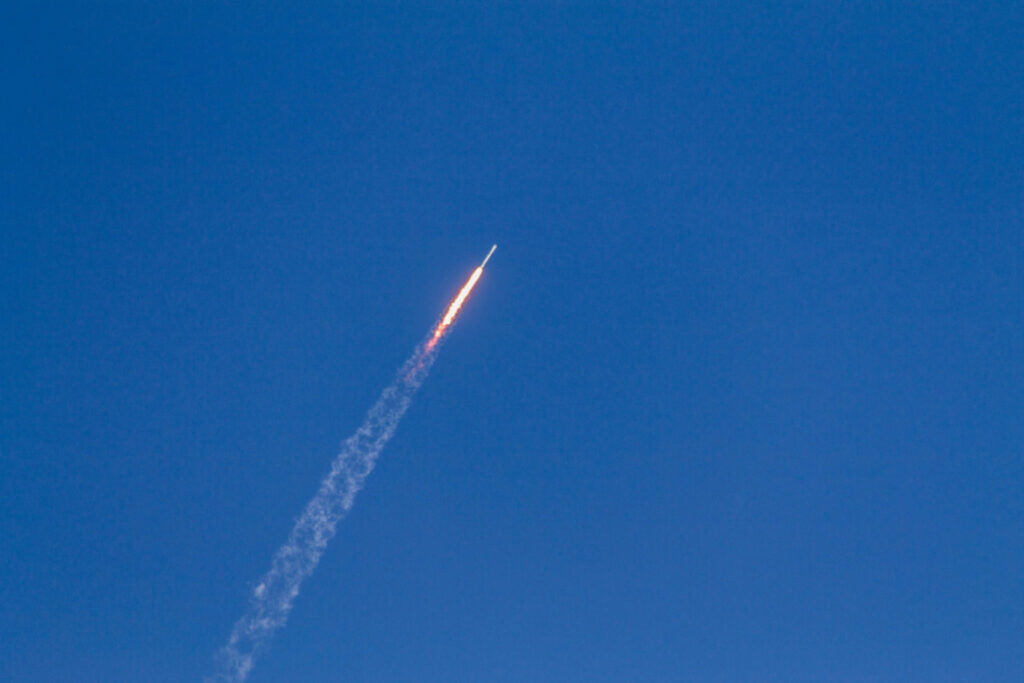
These advancements allow for seamless collaboration between human operators and AI agents, enabling distributed decision-making and faster responses to evolving threats.
Transforming Battlefield Awareness and Decision-Making
The deployment of 5G in defense environments is revolutionizing situational awareness. By connecting a vast array of sensors, vehicles, and personnel, 5G networks facilitate the real-time aggregation and analysis of battlefield data. AI systems can then process this information to identify patterns, predict adversary movements, and recommend optimal courses of action.
For example, AI-driven targeting systems, enhanced by 5G connectivity, can rapidly fuse data from satellites, radars, and ground sensors. This enables precision targeting and reduces the risk of collateral damage. According to this analysis of AI-driven targeting systems in multi-domain operations, the combination of AI and next-generation wireless networks is enhancing the speed and accuracy of military engagements.
Moreover, 5G’s ability to support edge computing allows AI models to run closer to the source of data, minimizing transmission delays and ensuring that actionable intelligence is delivered instantly to commanders and autonomous platforms.
Enhancing Autonomous Systems and Swarm Operations
One of the most promising applications of 5G in defense is its support for autonomous systems, including unmanned aerial vehicles (UAVs), ground robots, and maritime drones. These platforms rely on continuous, high-speed communication to coordinate maneuvers, share sensor data, and adapt to changing mission parameters.
- Swarm Coordination: 5G enables the real-time synchronization of large groups of autonomous platforms, allowing them to operate as a cohesive unit. AI algorithms can dynamically assign roles, adjust formations, and respond to threats without human intervention.
- Remote Control and Supervision: Operators can oversee and direct autonomous assets from safe locations, leveraging 5G’s low latency to maintain precise control even over long distances.
- Adaptive Mission Planning: AI systems can analyze live data streams and re-task autonomous units on the fly, optimizing mission outcomes and resource allocation.

The combination of AI and 5G is also critical for managing energy resources in advanced weapon systems. For a closer look at this topic, see how AI manages energy resources in laser defense systems, which discusses the importance of real-time data and intelligent control in high-energy applications.
Security and Resilience in AI-Driven Defense Communications
While the benefits of 5G-enabled AI systems are substantial, they also introduce new security challenges. The increased connectivity and reliance on software-defined networks create potential vulnerabilities that adversaries may exploit. To address these risks, defense organizations are implementing robust encryption, network segmentation, and continuous monitoring of communication channels.
AI plays a vital role in detecting and mitigating cyber threats in real time, leveraging machine learning to identify anomalies and respond to attacks before they compromise mission integrity. The resilience of 5G networks is further enhanced by their ability to reroute traffic and maintain service continuity even in contested environments.
Additionally, the use of recursive feedback mechanisms in combat AI systems allows for adaptive responses to both physical and cyber threats. For more on this concept, refer to what is recursive feedback in combat ai systems.
Future Outlook: The Evolving Role of 5G in Defense AI
The ongoing deployment of 5G infrastructure is setting the stage for even more advanced AI applications in defense. Future developments may include the integration of quantum computing, enhanced computer vision for missile tracking, and predictive analytics for logistics and supply chain management. The role of computer vision, for example, is already proving vital in missile terminal phase tracking, as detailed in role of computer vision in missile terminal phase.
As 5G networks mature, they will support increasingly complex and distributed AI systems, enabling defense organizations to maintain a decisive edge in rapidly changing operational environments. The combination of real-time data, intelligent automation, and resilient communications will be central to the next generation of military capabilities.
FAQ
How does 5G improve the speed of AI-driven defense communications?
5G technology offers ultra-low latency and high bandwidth, allowing AI systems to process and transmit data almost instantly. This enables faster decision-making and more effective coordination between sensors, platforms, and command centers.
What are the main security concerns with 5G-enabled AI in defense?
The increased connectivity of 5G networks introduces new cyber risks, such as potential vulnerabilities in software-defined infrastructure. Defense organizations address these concerns through encryption, network segmentation, and AI-powered threat detection.
Can 5G support large-scale autonomous operations in the military?
Yes, 5G’s high capacity and low latency make it possible to coordinate large groups of autonomous vehicles and drones in real time. AI algorithms leverage this connectivity to synchronize operations, adapt to changing conditions, and optimize mission outcomes.