
The ability to anticipate problems before they arise is transforming how organizations manage operations, reduce downtime, and improve decision-making. AI in predictive analytics is at the forefront of this shift, enabling businesses to harness data and machine learning to spot patterns, identify risks, and take proactive measures. Rather than reacting to failures or inefficiencies, companies can now use advanced algorithms to forecast potential disruptions and optimize processes in real time.
From manufacturing to logistics, the integration of artificial intelligence with predictive modeling is unlocking new levels of efficiency and reliability. By leveraging historical data, sensor inputs, and sophisticated analytics, teams can move from guesswork to evidence-based action. This article explores how these technologies work together, the benefits they offer, and practical steps for implementation.

For those interested in the broader context of smart manufacturing, understanding the data analytics in smart manufacturing is a valuable starting point. This resource delves deeper into how data-driven insights are shaping the future of production environments.
Understanding Predictive Analytics Enhanced by AI
Predictive analytics involves using historical and real-time data to forecast future outcomes. When artificial intelligence is applied, these predictions become more accurate and actionable. Machine learning algorithms analyze vast datasets, identifying subtle trends and correlations that traditional methods might miss. This approach is particularly effective in environments where equipment, processes, or customer behaviors generate large volumes of data.
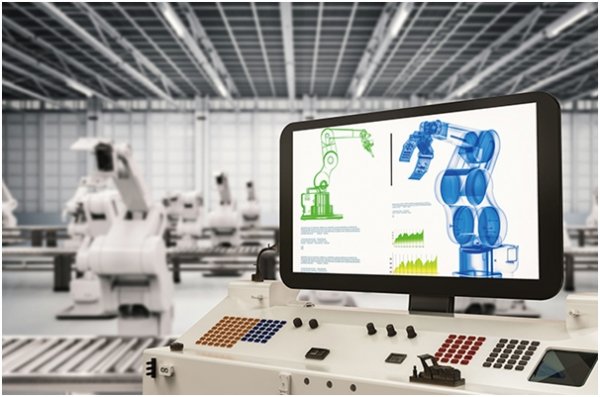
In manufacturing, for example, sensors collect information on machine performance, temperature, vibration, and more. AI-driven models process this data to predict when a component might fail or when a process could deviate from optimal conditions. This allows for timely interventions, reducing unplanned downtime and maintenance costs.
Key Benefits of AI-Driven Forecasting
The adoption of AI in predictive analytics delivers several tangible advantages across industries:
- Reduced Downtime: By predicting equipment failures before they happen, organizations can schedule maintenance at optimal times, minimizing disruptions.
- Cost Savings: Proactive interventions prevent costly breakdowns and extend the lifespan of machinery and infrastructure.
- Improved Product Quality: Early detection of process deviations helps maintain consistent standards, reducing defects and waste. For more on this, see how AI improves product quality across production lines.
- Enhanced Safety: Identifying potential hazards in advance creates safer working environments for employees.
- Data-Driven Decisions: Leaders gain confidence in their strategies by relying on evidence rather than intuition.
These benefits are not limited to manufacturing. Sectors such as healthcare, finance, and logistics are also leveraging predictive capabilities to optimize operations and deliver better outcomes.
How AI Models Anticipate Problems
At the core of predictive analytics powered by AI are machine learning models trained on historical and real-time data. These models use statistical techniques and neural networks to recognize patterns that precede specific events, such as equipment malfunctions or supply chain delays.
The process typically involves:
- Data Collection: Gathering information from sensors, logs, and external sources.
- Data Preparation: Cleaning and organizing the data to ensure accuracy and relevance.
- Model Training: Feeding data into algorithms that learn to associate certain patterns with outcomes.
- Prediction: Applying the trained model to new data to forecast potential issues.
- Action: Triggering alerts or automated responses when risks are detected.
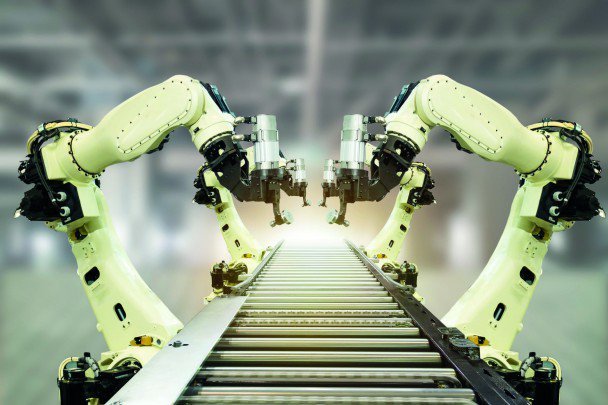
For instance, in a factory setting, a model might learn that a specific vibration pattern in a motor often precedes failure. By continuously monitoring sensor data, the system can alert maintenance teams before a breakdown occurs.
Practical Steps to Implement Predictive Analytics with AI
Integrating artificial intelligence into predictive analytics requires a structured approach. Here are key steps for organizations looking to get started:
- Define Objectives: Clearly identify what you want to predict—whether it’s equipment failure, demand fluctuations, or quality issues.
- Collect and Integrate Data: Ensure access to relevant, high-quality data from sensors, machines, and business systems. The role of sensors in AI manufacturing is especially critical for accurate forecasting.
- Select the Right Tools: Choose platforms and algorithms that fit your needs. Many solutions offer out-of-the-box models for common scenarios.
- Train and Validate Models: Use historical data to train your models, then test their accuracy with new data.
- Deploy and Monitor: Integrate the models into your workflows and continuously monitor their performance, making adjustments as needed.
- Foster Collaboration: Involve cross-functional teams, including IT, operations, and business leaders, to ensure alignment and adoption.
For a deeper dive into how these principles apply in manufacturing, explore this comprehensive guide to AI in manufacturing, which covers real-world applications and best practices.
Challenges and Considerations in Predictive AI Adoption
While the promise of ai in predictive analytics is significant, there are challenges to address:
- Data Quality: Inaccurate or incomplete data can lead to unreliable predictions. Ensuring data integrity is essential.
- Integration Complexity: Merging new AI tools with legacy systems may require significant effort and investment.
- Change Management: Employees may need training to trust and effectively use predictive insights.
- Scalability: Solutions must be able to handle increasing data volumes as operations grow.
- Security and Privacy: Safeguarding sensitive information is crucial, especially when dealing with customer or proprietary data.
Addressing these concerns early on can help organizations realize the full benefits of predictive analytics powered by artificial intelligence.
Expanding the Impact: From Quality Control to Real-Time Monitoring
The scope of predictive analytics with AI extends beyond just forecasting failures. In quality control, for example, machine vision systems can detect defects as products move down the line, ensuring only top-quality items reach customers. Learn more about machine vision in manufacturing for accurate quality control.
Real-time monitoring is another area where predictive models excel. By continuously analyzing live data, organizations can respond instantly to emerging issues, optimize resource allocation, and maintain operational continuity. For further insights, see how AI in real time monitoring delivers smarter insights for factories and other environments.
Frequently Asked Questions
What industries benefit most from predictive analytics powered by AI?
Sectors such as manufacturing, healthcare, finance, logistics, and energy see significant advantages. In these fields, the ability to anticipate equipment failures, demand changes, or quality issues leads to reduced costs, improved safety, and better customer experiences.
How does AI improve the accuracy of predictive models?
Artificial intelligence leverages machine learning algorithms that can analyze vast and complex datasets. These models identify subtle patterns and relationships, continuously learning and adapting as more data becomes available, resulting in more precise forecasts compared to traditional statistical methods.
What are the main challenges in implementing predictive analytics with AI?
Common obstacles include ensuring high-quality data, integrating new tools with existing systems, managing organizational change, and addressing data security and privacy concerns. Successful adoption requires careful planning, cross-functional collaboration, and ongoing monitoring.