
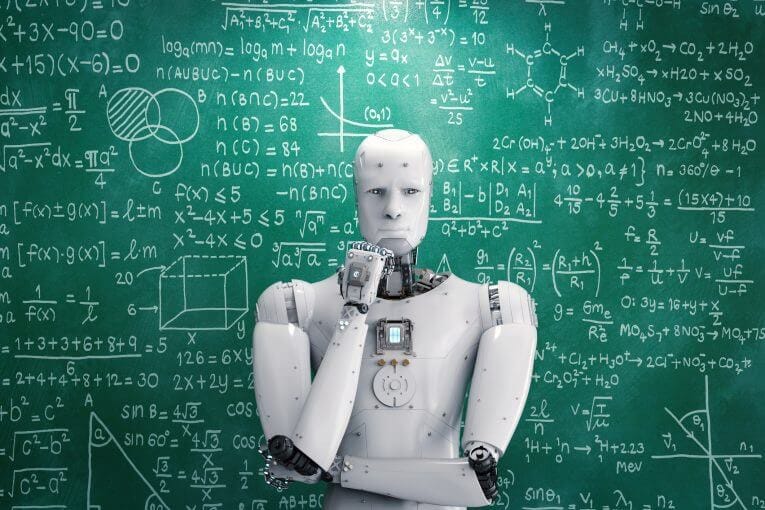
The integration of AI in physics education is reshaping how students and educators approach learning and teaching. Artificial intelligence brings new possibilities to the classroom, from adaptive learning platforms to intelligent tutoring systems. These technologies offer personalized instruction, automate complex assessments, and help visualize abstract concepts, making physics more accessible and engaging for learners at all levels.
As schools and universities adopt digital tools, understanding the role of AI in science instruction becomes increasingly important. This article explores the current landscape, practical applications, and the benefits and challenges associated with using artificial intelligence in physics classrooms. For those interested in related advancements, such as how ai identifies missile launch signatures from space, the broader impact of AI on STEM fields is also worth considering.
How Artificial Intelligence Is Transforming Physics Classrooms
The adoption of artificial intelligence in science education is not just a trend—it’s a shift in how knowledge is delivered and absorbed. In physics, AI-driven tools can analyze student performance, identify learning gaps, and recommend tailored resources. Adaptive learning platforms adjust the difficulty of problems in real-time, ensuring that students remain challenged but not overwhelmed.
Intelligent tutoring systems, powered by machine learning, provide instant feedback on problem-solving steps. These systems can simulate one-on-one instruction, allowing students to work at their own pace. For teachers, AI can automate grading for assignments such as multiple-choice quizzes and even some open-ended questions, freeing up time for more interactive instruction.

Key Benefits of AI-Driven Physics Instruction
The use of AI-powered tools in physics education offers several advantages:
- Personalized Learning: AI systems can adapt to each student’s strengths and weaknesses, providing custom exercises and explanations.
- Immediate Feedback: Automated grading and feedback help students correct mistakes quickly, reinforcing learning.
- Enhanced Visualization: AI can generate simulations and interactive models, making complex physical phenomena easier to understand.
- Data-Driven Insights: Teachers gain access to analytics on student progress, allowing for targeted interventions and improved curriculum planning.
- Accessibility: AI tools can support diverse learning needs, including students with disabilities, by offering alternative formats and assistive technologies.
These benefits contribute to a more inclusive and effective learning environment, helping students grasp challenging physics concepts with greater confidence.
Practical Applications of AI in Physics Education
There are several practical ways in which artificial intelligence is being used in physics classrooms today:
- Virtual Labs: AI-powered simulations allow students to conduct experiments in a safe, virtual environment. This is especially useful when resources or equipment are limited.
- Automated Problem Generation: AI can create new practice problems based on curriculum standards and individual student needs, ensuring a steady supply of relevant exercises.
- Natural Language Processing: Some platforms use AI to interpret student questions and provide context-aware answers, mimicking a human tutor.
- Predictive Analytics: By analyzing patterns in student responses, AI can predict which concepts may cause difficulty and proactively offer support.
These applications are already making a difference in classrooms worldwide, bridging gaps in resources and expertise.
Challenges and Considerations in Implementing AI for Physics Learning
While the advantages are clear, integrating AI-based solutions in physics education also brings certain challenges:
- Equity of Access: Not all schools have the infrastructure or funding to implement advanced AI tools, potentially widening the digital divide.
- Teacher Training: Educators need support and professional development to effectively use AI in their teaching practice.
- Data Privacy: The use of student data for personalized learning raises important questions about privacy and security.
- Over-Reliance on Technology: While AI can enhance instruction, it should complement—not replace—the critical thinking and hands-on experimentation that are central to physics.
Addressing these challenges requires collaboration between educators, policymakers, and technology providers. Ongoing research and pilot programs are essential to ensure that AI is used ethically and effectively in science education.
For a broader perspective on how AI is transforming STEM fields, the article AI in STEM education: transforming learning offers valuable insights into the impact of these technologies beyond physics.
Future Trends: The Evolving Role of AI in Science Education
The future of AI-assisted physics instruction looks promising. As algorithms become more sophisticated, we can expect even greater personalization and interactivity. Virtual reality (VR) and augmented reality (AR) powered by AI may soon allow students to explore physical phenomena in immersive environments. Additionally, collaborative AI platforms could connect learners from around the world, enabling peer-to-peer learning and global science projects.
Researchers are also exploring the use of AI to analyze large datasets from physics experiments, helping students engage with real-world scientific inquiry. As these technologies mature, the focus will remain on supporting teachers and empowering students to achieve deeper understanding and mastery of physics concepts.
For those interested in related technological advancements, exploring topics like the guide to ai-driven space-based missile warning can provide additional context on how AI is influencing scientific research and defense.
FAQ: Common Questions About AI in Physics Education
How does AI personalize physics learning for students?
AI systems analyze individual performance data to tailor instruction, offering customized exercises, hints, and feedback. This approach helps students focus on areas where they need the most support, making learning more efficient and effective.
Are there risks to relying on AI in science classrooms?
While AI can enhance instruction, over-reliance may reduce opportunities for hands-on experimentation and critical thinking. It’s important to balance technology use with traditional teaching methods and ensure that data privacy is maintained.
What skills do teachers need to use AI tools effectively?
Educators benefit from professional development in digital literacy, data interpretation, and the pedagogical use of AI. Understanding how to integrate these tools into lesson plans and assess their impact is key to maximizing their benefits.