
The integration of AI in material handling is transforming how manufacturers and warehouses manage the movement, storage, and control of goods. By leveraging artificial intelligence, organizations can streamline workflows, minimize human error, and achieve higher efficiency across their operations. This guide explores practical strategies for implementing AI-driven solutions to improve material flow and reduce costly mistakes, offering actionable insights for businesses seeking to stay competitive in a rapidly evolving industrial landscape.
As automation and smart technologies become more accessible, understanding the role of AI in optimizing logistics and inventory management is essential. From predictive analytics to robotics and machine vision, AI-powered systems are reshaping traditional processes, enabling real-time decision-making and adaptive responses to dynamic production demands. For a deeper look at related innovations, consider exploring the role of sensors in AI manufacturing and how they contribute to efficient automation.
Key Benefits of Artificial Intelligence in Material Flow
Adopting AI-powered material handling solutions brings a range of advantages to manufacturing and logistics environments. These benefits go beyond simple automation, offering intelligent insights and adaptive control that traditional systems cannot match.
- Reduced Errors: AI algorithms can detect anomalies and inconsistencies in real time, minimizing manual mistakes in sorting, picking, and inventory tracking.
- Optimized Throughput: Machine learning models analyze historical and live data to optimize routing, scheduling, and resource allocation, resulting in smoother material flow.
- Predictive Maintenance: AI-driven monitoring systems anticipate equipment failures, reducing unplanned downtime and extending the lifespan of handling machinery.
- Enhanced Safety: Intelligent automation reduces the risk of workplace accidents by monitoring environments and adapting to changing conditions.
- Cost Savings: Streamlined operations and fewer errors translate to lower labor and operational costs over time.

How AI-Driven Systems Improve Material Handling Efficiency
The application of AI in material handling extends across multiple domains, from warehouse automation to production line logistics. Here are several ways artificial intelligence enhances operational efficiency:
Automated Guided Vehicles and Robotics
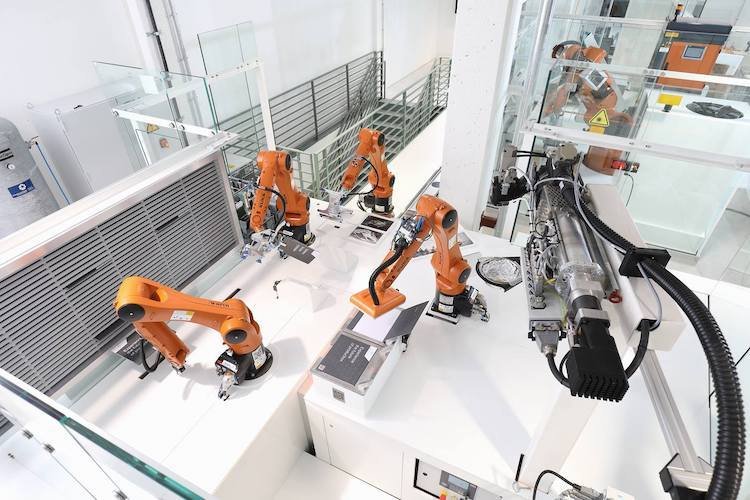
AI-powered robots and Automated Guided Vehicles (AGVs) are increasingly common in warehouses and factories. These systems use sensors, cameras, and real-time data processing to navigate complex environments, transport goods, and avoid obstacles. By learning from historical movement patterns, AI enables these machines to optimize their routes and adapt to changing layouts or workflow bottlenecks.
Intelligent Inventory Management
Inventory accuracy is critical for efficient material handling. AI systems track inventory levels, predict shortages, and automate reordering processes. Machine learning algorithms analyze usage trends and supplier performance, ensuring that materials are available when needed without overstocking. For further insights on this topic, see how data analytics in smart manufacturing unlocks operational value.
Machine Vision for Quality and Sorting
Advanced machine vision systems, powered by AI, inspect materials for defects, verify barcodes, and sort products with high precision. These technologies not only reduce human error but also speed up the inspection process, ensuring that only quality materials move forward in the supply chain. To learn more about this technology, explore machine vision in manufacturing for accurate quality control.
Reducing Errors with Predictive Analytics and Real-Time Monitoring
One of the most impactful uses of AI in material handling is its ability to predict and prevent errors before they disrupt operations. Predictive analytics tools process vast amounts of data from sensors, equipment logs, and historical records to identify potential issues early.
- Real-Time Alerts: AI systems monitor conveyor belts, robotic arms, and storage systems, sending instant notifications if irregularities are detected.
- Root Cause Analysis: By analyzing patterns in error occurrences, AI helps identify underlying causes and suggests corrective actions.
- Adaptive Workflows: Intelligent platforms can dynamically adjust workflows in response to detected issues, rerouting materials or reallocating resources as needed.
These capabilities not only reduce the frequency and severity of errors but also enable continuous improvement in material handling processes. For additional perspectives on how AI supports real-time decision-making, see AI in real time monitoring for smarter factory insights.

Implementing AI Solutions for Material Handling Optimization
Deploying artificial intelligence in logistics and material flow requires a strategic approach. Here are practical steps to ensure successful adoption:
- Assess Current Processes: Begin by mapping your existing workflows and identifying pain points where errors or inefficiencies are most common.
- Choose the Right Technologies: Select AI tools that align with your operational needs, such as robotics for automated transport, machine vision for inspection, or predictive analytics for maintenance.
- Integrate with Existing Systems: Ensure that new AI solutions can communicate with your warehouse management or ERP systems for seamless data flow.
- Train Staff: Provide training for operators and managers to understand and leverage AI-driven insights effectively.
- Monitor and Refine: Continuously track performance metrics and adjust AI models to improve accuracy and responsiveness over time.
For a broader understanding of how artificial intelligence enhances product quality throughout production lines, you may find value in reading about how AI improves product quality across manufacturing environments.
Industry Examples and Future Trends
Leading manufacturers are already reaping the rewards of AI-driven material handling. For example, global automotive plants use intelligent robots to move components efficiently between assembly stations, while e-commerce giants deploy AI-powered systems to optimize order fulfillment and reduce delivery times.
As technology advances, expect to see even greater integration of AI with the Internet of Things (IoT), cloud computing, and advanced robotics. These developments will further enhance the speed, accuracy, and adaptability of material handling systems. For more on how artificial intelligence is reshaping manufacturing, see this overview of AI’s impact on manufacturing transformation.
Staying informed about these trends and continuously evaluating your processes will position your organization to capitalize on the full potential of AI in logistics and production.
Frequently Asked Questions
How does artificial intelligence reduce errors in material handling?
AI systems use real-time monitoring, predictive analytics, and machine vision to detect and correct errors as they occur. By automating inspection, tracking, and decision-making, these technologies minimize manual mistakes and ensure consistent quality throughout the handling process.
What are the main challenges when implementing AI in logistics and warehousing?
Common challenges include integrating AI with legacy systems, managing data quality, ensuring staff are properly trained, and selecting the right technologies for specific operational needs. A phased approach and ongoing evaluation help address these issues effectively.
Can small and medium-sized businesses benefit from AI-powered material handling?
Yes, advancements in cloud-based AI solutions and affordable robotics have made these technologies accessible to businesses of all sizes. Even modest investments in automation and intelligent analytics can yield significant improvements in efficiency and error reduction.