
As modern threats to national security become more complex and unpredictable, militaries worldwide are turning to advanced technologies to strengthen their defensive capabilities. One of the most significant innovations in this field is AI-driven sensor fusion for air defense. By integrating artificial intelligence with multiple sensor systems, defense networks can detect, track, and respond to airborne threats with unprecedented speed and accuracy.
This article explores how artificial intelligence is transforming the way air defense systems operate, the core principles behind sensor fusion, and the real-world benefits and challenges of adopting these technologies. For those interested in the intersection of AI and STEM, related topics such as AI and interdisciplinary STEM learning provide further insight into the broader impact of these advancements.
Understanding the Role of AI in Sensor Fusion
At its core, AI-driven sensor fusion refers to the process of combining data from multiple sensors—such as radar, infrared, electro-optical, and acoustic devices—using artificial intelligence algorithms. The goal is to create a unified, accurate picture of the battlespace, enabling air defense operators to make faster and more informed decisions.
Traditional sensor fusion relied on rule-based logic and manual data interpretation. However, with the advent of machine learning and deep learning, AI systems can now process vast amounts of sensor data in real time, identify patterns, and even predict the trajectory of incoming threats. This not only reduces human error but also allows for adaptive responses to evolving attack strategies.
How Sensor Fusion Enhances Air Defense Systems
The integration of artificial intelligence with sensor fusion brings several key advantages to air defense operations:
- Improved Detection Accuracy: By analyzing inputs from diverse sensors, AI algorithms can filter out noise and false alarms, ensuring that only genuine threats are flagged for action.
- Faster Response Times: Automated data processing enables near-instantaneous threat identification and tracking, allowing defense systems to intercept missiles, drones, or aircraft before they reach their targets.
- Adaptive Threat Assessment: AI-powered systems can learn from past encounters, adjusting their detection and response strategies to counter new types of attacks or evasive maneuvers.
- Resource Optimization: By prioritizing threats and allocating interceptors or countermeasures efficiently, sensor fusion helps conserve valuable resources during large-scale or multi-vector attacks.
These benefits are especially critical in environments where adversaries use advanced tactics, such as low-flying cruise missiles, stealth aircraft, or swarms of unmanned aerial vehicles (UAVs).
Key Technologies Behind AI-Enabled Sensor Fusion
Several technological components make AI-driven sensor fusion for air defense possible:
- Machine Learning Algorithms: These models are trained to recognize patterns in sensor data, distinguish between friend and foe, and predict the likely path of incoming objects.
- Data Fusion Architectures: Modern systems use hierarchical or distributed fusion frameworks, allowing information from different sensors to be combined at various levels for optimal situational awareness.
- High-Speed Data Links: Rapid communication between sensors, command centers, and interceptors is essential for real-time decision-making.
- Edge Computing: Processing data close to the source (on the sensor or platform itself) minimizes latency and ensures that critical decisions can be made even if central networks are disrupted.
The combination of these technologies allows air defense networks to operate in contested, degraded, or denied environments, maintaining operational effectiveness even under electronic warfare or cyberattack conditions.
Real-World Applications and Case Studies
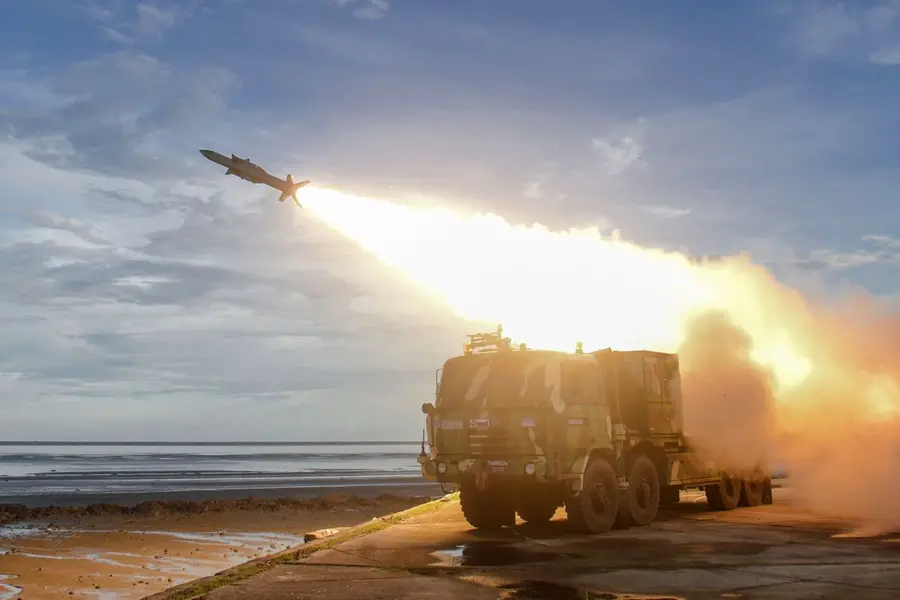
Many countries have begun integrating AI-powered sensor fusion into their air defense strategies. For example, Israel’s Iron Dome, the U.S. Army’s Integrated Air and Missile Defense (IAMD) Battle Command System, and India’s Akash missile defense system all leverage multi-sensor data and automation to improve interception rates.

These systems have demonstrated their value in real combat situations, intercepting rockets, artillery shells, and drones with high success rates. The ability to process sensor inputs from multiple platforms—ground-based radars, airborne sensors, and satellite feeds—gives defenders a layered and resilient shield against a wide range of threats.
For a deeper look at how artificial intelligence is being used to enhance pre-emptive defense strategies, see this analysis of AI at the nexus of nuclear deterrence and left-of-launch operations.
Challenges and Considerations in AI-Driven Air Defense
While the benefits of combining AI and sensor fusion are clear, several challenges remain:
- Data Quality and Integrity: AI systems are only as good as the data they receive. Poor sensor calibration, jamming, or spoofing can degrade performance.
- Cybersecurity Risks: Integrating multiple sensors and AI increases the attack surface for cyber threats, requiring robust protection measures.
- Ethical and Legal Issues: Automated decision-making in military contexts raises questions about accountability, especially in scenarios involving lethal force.
- Interoperability: Ensuring that different sensors, platforms, and allied systems can communicate and share data seamlessly is a complex technical challenge.
Addressing these issues will be essential as militaries continue to adopt and expand AI-powered defense networks.
Future Trends in AI and Sensor Fusion for Defense
The future of air defense will likely see even greater integration of artificial intelligence, with advances in deep learning, autonomous decision-making, and collaborative robotics. Swarm intelligence, where multiple AI-enabled platforms coordinate their actions, could further enhance the effectiveness of sensor fusion.
Additionally, the use of synthetic data for training AI models, improvements in quantum computing, and the development of more resilient communication networks will push the boundaries of what these systems can achieve.
For those interested in the broader educational and research landscape, topics like AI research opportunities for students and AI and STEM extracurricular activities highlight how the next generation is being prepared to contribute to these cutting-edge fields.
FAQ: AI-Driven Sensor Fusion in Air Defense
How does AI improve the accuracy of sensor fusion in air defense?
Artificial intelligence enhances accuracy by rapidly analyzing and correlating data from multiple sensors, filtering out false alarms, and identifying genuine threats. Machine learning models can adapt to new patterns, making detection more reliable even as adversaries change tactics.
What types of sensors are commonly used in AI-enabled air defense systems?
Common sensors include radar, infrared, electro-optical, acoustic, and satellite-based platforms. By fusing data from these diverse sources, AI systems gain a comprehensive understanding of the airspace and can track a wide range of threats.
What are the main challenges in implementing AI-driven sensor fusion for defense?
The primary challenges include ensuring data quality, protecting systems from cyberattacks, addressing ethical concerns around automation, and achieving interoperability between different sensors and allied defense networks.