
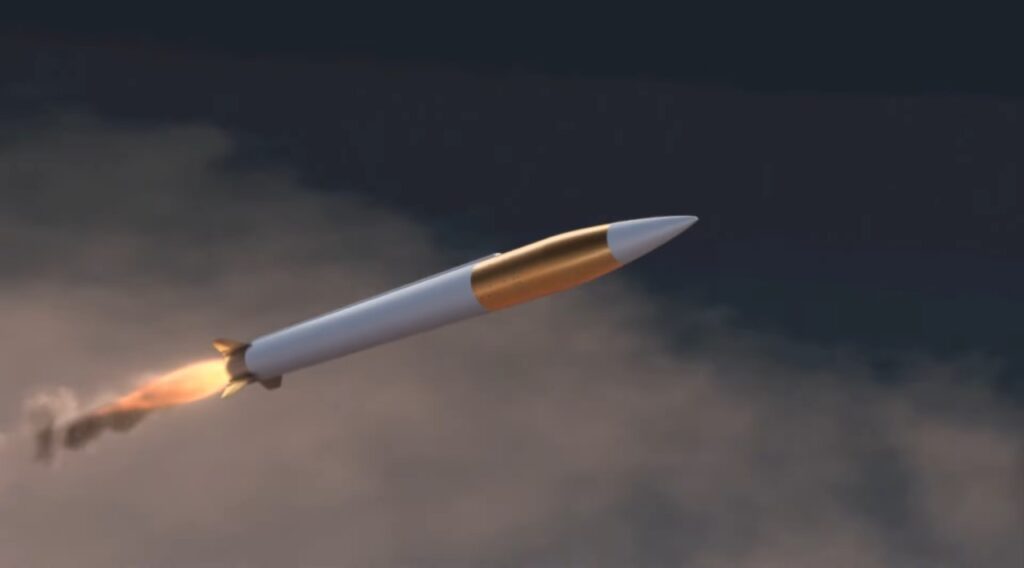
As modern defense systems evolve, the role of computer vision in missile terminal phase tracking has become increasingly vital. The terminal phase, representing the final moments before a missile reaches its target, demands rapid, precise, and adaptive tracking capabilities. Computer vision technologies, leveraging advanced algorithms and real-time image processing, are now at the forefront of this challenge, enabling defense systems to respond more effectively to complex threats.
This article explores how visual processing and artificial intelligence are transforming the way missiles are detected, tracked, and intercepted during their most critical stage. For those interested in related advancements, the article on how neural networks predict ballistic flight paths provides further insight into AI-driven defense applications.
Understanding the Terminal Phase in Missile Defense
The terminal phase is the last segment of a missile’s flight, occurring just before impact or detonation. During this stage, the missile is often traveling at high speeds and may perform evasive maneuvers to avoid interception. The short time window and unpredictable movement patterns make tracking and neutralizing threats particularly challenging.
Traditional radar and infrared systems have limitations in this context, especially when dealing with low-observable or maneuvering targets. This is where computer vision, with its ability to interpret complex visual data in real time, offers a significant advantage.
How Computer Vision Enhances Missile Tracking Accuracy
Integrating computer vision into missile defense systems allows for more accurate and timely detection of incoming threats. By processing high-resolution imagery from onboard sensors or ground-based cameras, these systems can identify, classify, and track missiles with remarkable precision.
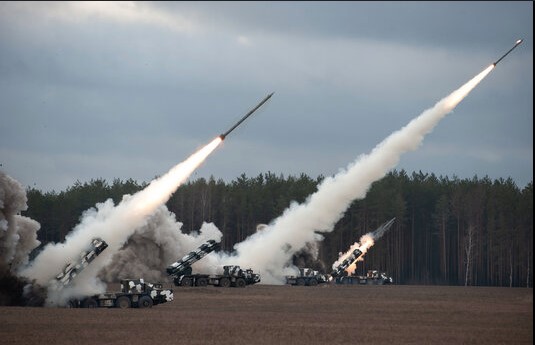
Key benefits of computer vision in this domain include:
- Real-time object detection: Algorithms can distinguish between missiles, decoys, and debris, reducing false alarms.
- Trajectory prediction: Visual data helps estimate the missile’s path, even if it changes direction abruptly.
- Adaptive response: Systems can adjust interception strategies based on live visual feedback, improving the odds of a successful defense.
Core Technologies Behind Visual Tracking in Missile Defense
Several technological advancements underpin the growing importance of computer vision in terminal tracking:
- Deep learning models: Neural networks trained on vast datasets can recognize missile signatures under diverse conditions, including poor weather or low visibility.
- Sensor fusion: Combining visual data with radar, infrared, and other sensor inputs enhances situational awareness and reduces blind spots. For a comprehensive overview, see AI-driven sensor fusion for air defense.
- Edge computing: Processing data directly on the sensor platform minimizes latency, which is crucial during the split-second decisions required in the terminal phase.
Challenges in Applying Computer Vision to Terminal Phase Tracking
Despite its promise, deploying computer vision in missile defense is not without obstacles. The terminal phase is characterized by high speeds, unpredictable maneuvers, and often adverse environmental conditions. Visual sensors must operate reliably in the presence of smoke, countermeasures, or electronic interference.
Furthermore, the computational demands of real-time image analysis require robust hardware and efficient algorithms. Ensuring that these systems can operate under extreme conditions, with minimal delay, is a continuing area of research and development.
Integration with Broader Defense Systems
Computer vision does not operate in isolation. Its effectiveness is amplified when integrated with other advanced technologies such as predictive analytics and artificial intelligence. For example, combining visual tracking with predictive analytics for threat classification enables defense systems to prioritize targets and allocate resources more efficiently.
Additionally, AI-driven coordination across multiple sensors and platforms allows for a layered defense approach, increasing the likelihood of successful interception even in complex attack scenarios.
Recent Advances and Real-World Applications
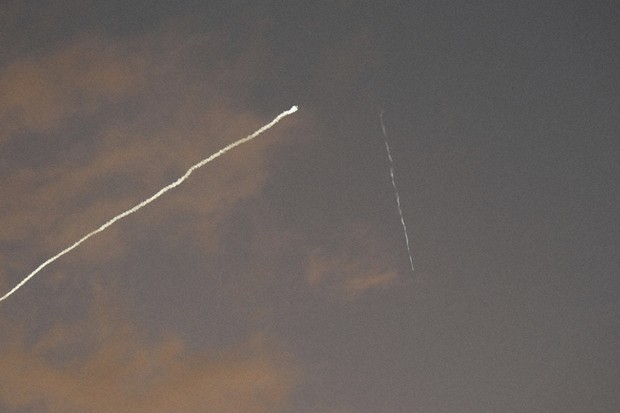
Recent years have seen the deployment of computer vision-enabled tracking systems in both experimental and operational settings. These systems have demonstrated improved accuracy in distinguishing real threats from decoys, as well as faster response times during live-fire exercises.
For instance, some modern missile defense platforms now use high-speed cameras and machine learning algorithms to monitor the terminal phase, enabling more precise targeting and interception. These advancements are critical in countering sophisticated threats, including maneuverable reentry vehicles and hypersonic missiles.
For a broader perspective on detection technologies and their role in defense, the article on ballistic missile detection technologies and defense systems provides valuable context.
Future Directions for Visual Tracking in Missile Defense
The future of missile defense will likely see even greater reliance on computer vision and AI. Ongoing research aims to enhance the robustness of visual tracking systems, making them more resistant to countermeasures and environmental challenges.
Emerging trends include the use of multi-spectral imaging, which combines data from visible, infrared, and ultraviolet sensors to improve detection accuracy. Additionally, advancements in edge AI will allow for more complex processing directly on defense platforms, reducing reliance on centralized command centers and further minimizing response times.
FAQ
What makes computer vision essential during a missile’s terminal phase?
Computer vision provides real-time analysis of visual data, enabling defense systems to track and respond to fast-moving, maneuvering threats with greater accuracy than traditional sensors alone. Its ability to distinguish between actual missiles and decoys is particularly valuable in the high-stakes terminal phase.
How does computer vision work alongside other technologies in missile tracking?
Visual tracking is often combined with radar, infrared, and other sensor data through sensor fusion. This integration enhances situational awareness, reduces false positives, and supports adaptive interception strategies, especially when paired with AI and predictive analytics.
What are the main challenges of using computer vision for missile defense?
The primary challenges include operating under extreme speeds, unpredictable maneuvers, and adverse environmental conditions. Reliable performance requires robust hardware, efficient algorithms, and the ability to process large volumes of data in real time.
Where can I learn more about AI in defense applications?
For further reading on related topics, consider exploring how AI manages saturation attacks and swarms and AI and interdisciplinary STEM learning.