
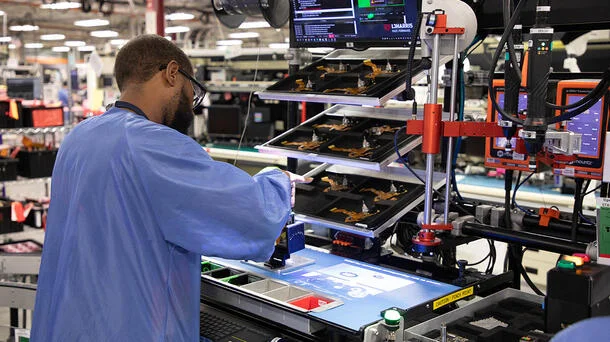
The manufacturing sector is undergoing a profound transformation as artificial intelligence (AI) becomes an integral part of modern production environments. Smart factories, powered by advanced algorithms and connected devices, are redefining how goods are designed, produced, and delivered. Understanding the role of AI in smart factories is essential for businesses aiming to stay competitive, boost efficiency, and meet evolving market demands.
By leveraging machine learning, real-time data analysis, and intelligent automation, manufacturers are able to optimize workflows, reduce errors, and respond quickly to changes in demand. This article explores how AI-driven solutions are shaping the future of manufacturing, from predictive maintenance to adaptive robotics.
For a deeper look at how intelligent systems are transforming production, see our guide on how ai is transforming manufacturing.
Understanding Artificial Intelligence in Manufacturing
Artificial intelligence in manufacturing refers to the use of computer systems that can perform tasks typically requiring human intelligence. These tasks include pattern recognition, decision-making, and learning from data. In the context of smart factories, AI is often embedded in sensors, machines, and software platforms to automate processes and enhance productivity.
The integration of AI technologies enables factories to move beyond traditional automation. Instead of following rigid, pre-programmed instructions, AI-powered systems can adapt to new information, detect anomalies, and optimize operations in real time. This flexibility is a key driver of the smart factory revolution.

Key Applications of AI for Automation and Productivity
The impact of AI on smart manufacturing environments is far-reaching. Here are some of the most significant ways AI is driving automation and improving productivity:
Predictive Maintenance and Equipment Monitoring
One of the most valuable uses of AI in production is predictive maintenance. By analyzing data from sensors and historical records, AI systems can forecast when equipment is likely to fail or require servicing. This approach minimizes unplanned downtime, reduces maintenance costs, and extends the lifespan of machinery.
- Continuous monitoring of machine health
- Early detection of wear and tear
- Automated scheduling of repairs and part replacements
Quality Control and Defect Detection
AI-powered vision systems are revolutionizing quality assurance. Cameras and sensors, combined with machine learning models, can inspect products for defects with greater speed and accuracy than human inspectors. This not only ensures higher product quality but also reduces waste and rework.
- Real-time inspection during production
- Automated rejection of defective items
- Continuous improvement through data analysis
Adaptive Robotics and Collaborative Automation
Robotics have long played a role in manufacturing, but AI takes automation to a new level. Intelligent robots can adjust their actions based on changing conditions, work safely alongside humans, and handle complex assembly tasks. This adaptability leads to more flexible production lines and faster changeovers.
- Collaborative robots (cobots) that learn from operators
- Dynamic task allocation based on real-time data
- Reduced need for manual intervention
How AI-Driven Insights Optimize Production
Beyond automating physical tasks, AI provides manufacturers with actionable insights that drive continuous improvement. By collecting and analyzing data from across the factory floor, AI systems can identify bottlenecks, forecast demand, and recommend process adjustments.
For example, machine learning algorithms can analyze production data to optimize scheduling, minimize energy consumption, and balance workloads. This data-driven approach helps manufacturers respond quickly to market changes and customer needs.

Challenges and Considerations for Implementing AI in Smart Factories
While the benefits of AI in manufacturing are substantial, there are important challenges to address. Data quality, integration with legacy systems, and workforce adaptation are common hurdles. Ensuring robust cybersecurity and data privacy is also critical as factories become more connected.
Successful adoption requires a clear strategy, investment in employee training, and collaboration between IT and operations teams. Manufacturers must also consider the ethical implications of automation and the need for transparent, explainable AI systems.
Future Trends: Evolving Role of AI in Manufacturing
The evolution of AI in industrial settings is ongoing. Emerging trends include the use of digital twins, edge computing, and autonomous supply chains. As AI technologies mature, smart factories will become even more agile, resilient, and responsive to global market shifts.
For a comprehensive overview of the advantages AI brings to manufacturing, explore our article on the benefits of ai in manufacturing.
To learn more about the latest advancements and best practices, visit this resource on AI in manufacturing from industry experts.
FAQ: Artificial Intelligence in Smart Manufacturing
How does AI improve efficiency in smart factories?
AI enhances efficiency by automating repetitive tasks, optimizing production schedules, and enabling predictive maintenance. These improvements reduce downtime, minimize waste, and allow for faster response to changes in demand.
What are the main barriers to adopting AI in manufacturing?
Common challenges include integrating AI with existing systems, ensuring high-quality data, addressing cybersecurity risks, and training employees to work with new technologies. Overcoming these barriers requires careful planning and investment.
Can AI help with sustainability in manufacturing?
Yes, AI can support sustainability goals by optimizing energy usage, reducing material waste, and improving supply chain transparency. Intelligent systems can identify opportunities to minimize environmental impact while maintaining productivity.