
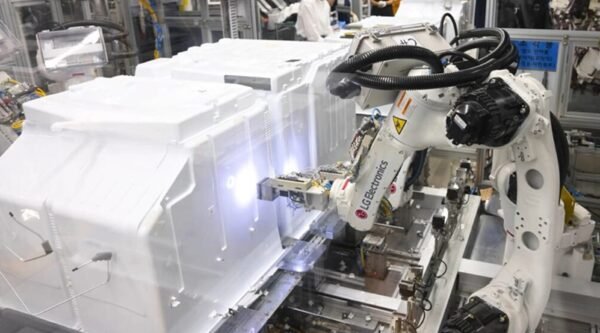
The integration of artificial intelligence into manufacturing environments is rapidly transforming how safety is managed on the factory floor. As industrial operations become more complex, the need for advanced safety solutions grows. AI-driven technologies are now at the forefront, offering real-time monitoring, predictive analytics, and automated responses that help prevent accidents and minimize risks. Understanding the role of AI in production safety systems is essential for manufacturers aiming to protect workers, ensure compliance, and maintain operational continuity.
This article explores how smart technologies are reshaping safety protocols, the practical applications of AI in factory settings, and best practices for implementation. For those interested in broader manufacturing innovations, you may also find value in our guide on ai in manufacturing data collection, which covers how data-driven insights can further enhance safety and efficiency.
How AI Enhances Factory Safety Protocols
Traditional safety systems in factories have relied heavily on manual checks, periodic inspections, and reactive measures. With the adoption of AI, these approaches are evolving into proactive, data-driven processes. Machine learning algorithms can analyze vast streams of sensor data to detect anomalies, predict potential hazards, and trigger alerts before incidents occur.
For example, computer vision systems can monitor production lines for unsafe behaviors, such as workers entering restricted zones or failing to wear protective equipment. These systems can instantly notify supervisors or even halt machinery to prevent accidents. By leveraging AI-powered safety solutions, manufacturers can reduce human error and create a safer work environment.
Key Applications of AI in Industrial Safety
The practical uses of AI in safeguarding factory operations are diverse and continually expanding. Here are several impactful applications:
- Real-Time Hazard Detection: AI-enabled cameras and sensors can identify spills, smoke, or equipment malfunctions as they happen, allowing for immediate intervention.
- Predictive Maintenance: By analyzing machine performance data, AI can forecast equipment failures that could lead to unsafe conditions, enabling timely repairs and reducing downtime.
- Worker Behavior Analysis: Advanced analytics can monitor compliance with safety protocols, such as wearing helmets or harnesses, and provide feedback or training recommendations.
- Automated Emergency Response: AI systems can coordinate evacuation procedures, shut down hazardous machinery, and communicate with emergency services during critical incidents.
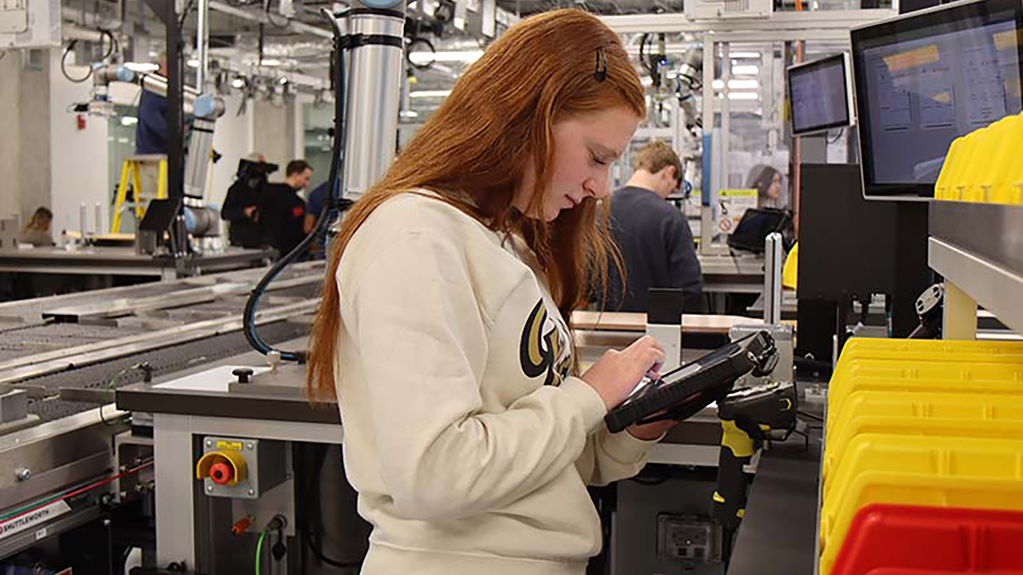
Benefits of AI-Driven Safety Systems in Manufacturing
The advantages of implementing AI for workplace safety extend far beyond compliance. Here are some of the most significant benefits:
- Faster Incident Response: Automated detection and alerting enable immediate action, reducing the severity of accidents.
- Continuous Monitoring: Unlike manual inspections, AI systems provide 24/7 surveillance, ensuring that potential hazards are never overlooked.
- Data-Driven Insights: AI platforms collect and analyze safety data over time, helping organizations identify patterns and implement targeted improvements.
- Cost Savings: By preventing accidents and minimizing downtime, AI-based safety systems can lead to substantial financial savings for manufacturers.
For a deeper look at how smart algorithms can streamline other aspects of production, explore our article on role of ai in lean manufacturing, which discusses efficiency gains across operations.
Challenges and Considerations for AI Adoption
While the potential of AI in industrial safety is clear, there are important factors to consider before implementation. Data privacy, integration with legacy systems, and workforce training are common hurdles. Factories must ensure that AI solutions are compatible with existing infrastructure and that employees understand how to interact with new technologies.
Additionally, the quality of data used to train AI models is crucial. Inaccurate or incomplete data can lead to false alarms or missed hazards. Manufacturers should prioritize robust data collection and validation processes to maximize the effectiveness of their safety systems.
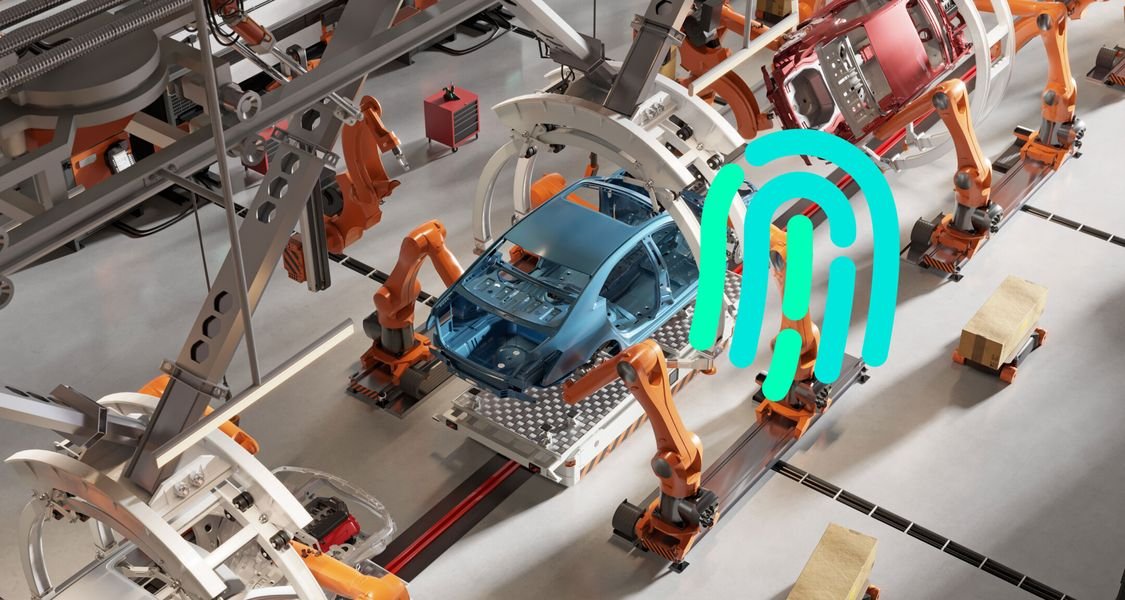
Best Practices for Implementing AI in Safety Management
To fully realize the benefits of AI-enhanced safety, manufacturers should follow these best practices:
- Start with a Pilot Program: Test AI solutions on a small scale to evaluate performance and identify potential issues before a full rollout.
- Engage Employees: Involve workers in the adoption process, provide training, and address concerns about job security or privacy.
- Integrate with Existing Systems: Ensure that AI platforms can communicate with current machinery, sensors, and safety protocols.
- Regularly Update Models: Continuously refine AI algorithms using new data to improve accuracy and adapt to changing conditions.
- Monitor and Audit: Establish procedures for ongoing monitoring and periodic audits to verify system effectiveness and compliance.
Manufacturers interested in leveraging data for smarter safety management may also benefit from reading about how ai supports just in time production, which highlights the synergy between efficiency and safety in modern factories.
Industry Examples and Future Outlook
Leading manufacturers are already seeing positive results from AI-powered safety initiatives. For instance, automotive plants use computer vision to monitor assembly lines and prevent collisions between humans and robots. Food processing facilities employ predictive maintenance to avoid equipment failures that could cause contamination or injury.
As AI technologies mature, we can expect even more advanced applications, such as autonomous drones for hazardous inspections or wearable devices that monitor worker health in real time. For further insights into the evolving landscape, this overview of AI in manufacturing provides a comprehensive look at current trends and future possibilities.
Frequently Asked Questions
How does AI improve worker safety in factories?
AI enhances worker safety by providing real-time monitoring, predictive analytics, and automated alerts. These systems can detect unsafe behaviors, identify potential hazards, and respond quickly to incidents, reducing the risk of injury.
What are the main challenges of using AI for safety management?
Common challenges include integrating AI with legacy equipment, ensuring high-quality data for model training, addressing employee concerns about privacy, and maintaining system reliability. Overcoming these hurdles requires careful planning and ongoing support.
Can AI systems replace human safety managers?
While AI can automate many safety tasks and provide valuable insights, human oversight remains essential. AI is most effective when used to support, not replace, experienced safety professionals who can interpret results and make informed decisions.
How do manufacturers get started with AI-powered safety solutions?
The best approach is to begin with a pilot project, focusing on a specific safety challenge. Engage employees, ensure compatibility with existing systems, and work with trusted technology partners to scale successful solutions across the organization.
For more on optimizing production with smart technology, see our article on how ai enhances machine performance.