
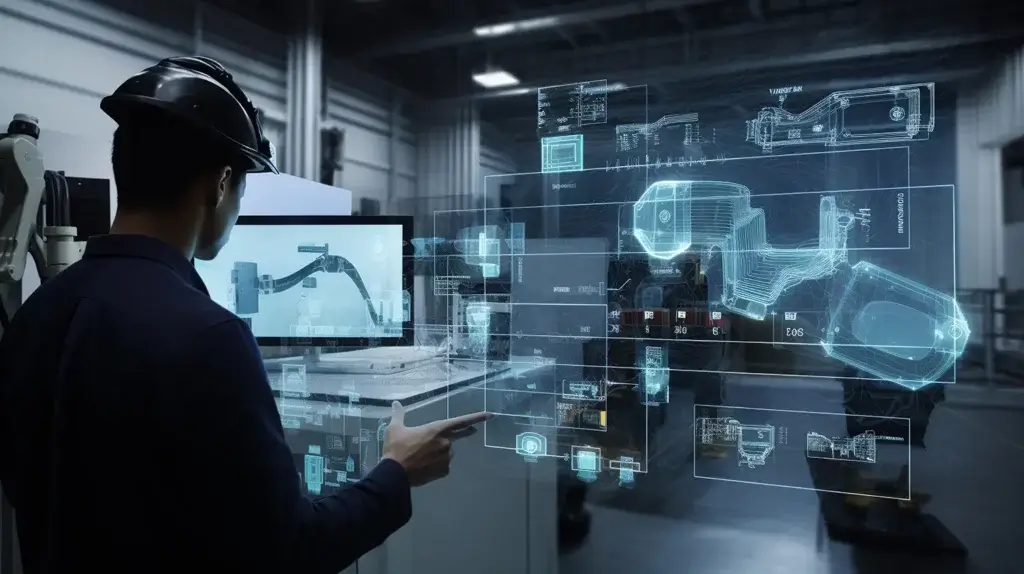
The manufacturing sector is undergoing a transformation powered by the industrial internet of things and AI. By integrating intelligent sensors, connected devices, and advanced analytics, factories are becoming more efficient, adaptive, and resilient. This evolution, often called Industry 4.0, is not just about automation—it’s about creating a network of smart machines and systems that can learn, predict, and optimize operations in real time.
As more manufacturers adopt these technologies, the benefits are clear: improved productivity, reduced downtime, better quality control, and more informed decision-making. However, understanding how to implement and maximize these digital tools is essential for companies aiming to stay competitive in a rapidly changing landscape.
For those interested in how artificial intelligence is transforming specific manufacturing processes, our resource on artificial intelligence in factory automation offers practical insights into smarter operations and automation strategies.
Understanding the Industrial IoT and AI Revolution
The convergence of industrial internet of things and AI is reshaping how factories operate. The industrial IoT refers to the network of sensors, devices, and machines that collect and exchange data throughout a manufacturing facility. When combined with artificial intelligence, this data can be analyzed and acted upon automatically, enabling predictive maintenance, real-time quality monitoring, and adaptive production scheduling.
This synergy allows manufacturers to move beyond simple automation. Instead, they can create self-optimizing systems that respond to changes in demand, supply chain disruptions, or equipment conditions with minimal human intervention.
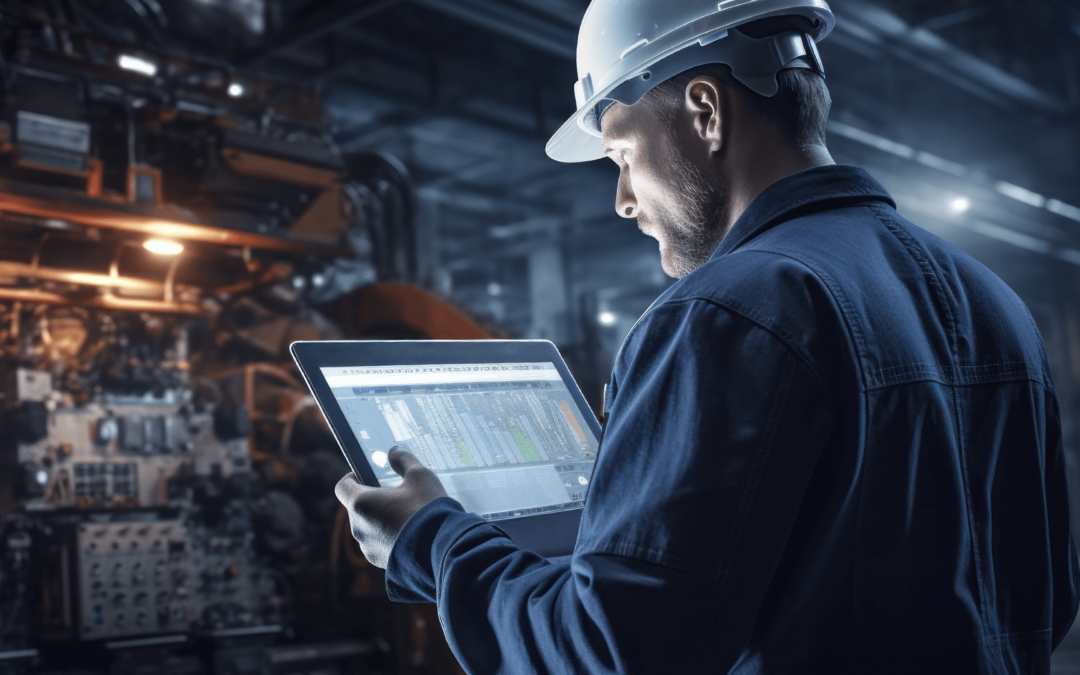
Key Benefits of Smart Factory Integration
Implementing connected devices and intelligent analytics brings a range of advantages to modern manufacturing environments:
- Predictive Maintenance: Sensors monitor equipment health, allowing AI systems to predict failures before they occur. This reduces unplanned downtime and extends machinery lifespan.
- Quality Assurance: Real-time data collection and analysis enable rapid detection of defects, ensuring consistent product quality. For a deeper look at this topic, see our article on AI powered inspection systems in manufacturing.
- Resource Optimization: Data-driven insights help factories use energy, materials, and labor more efficiently, reducing waste and operational costs.
- Flexible Production: Smart systems can quickly adjust to changes in demand or product specifications, supporting mass customization and agile manufacturing.
- Enhanced Safety: Automated monitoring of environmental conditions and worker safety reduces the risk of accidents and ensures compliance with regulations.
How to Implement Industrial IoT and AI in Manufacturing
Adopting these technologies requires a strategic approach. Here are key steps for integrating smart systems into your factory:
- Assess Current Infrastructure: Evaluate your existing equipment and IT systems to identify integration opportunities and potential challenges.
- Define Clear Objectives: Set measurable goals, such as reducing downtime, improving throughput, or enhancing product quality.
- Deploy Connected Devices: Install sensors and IoT-enabled machinery to collect real-time data from critical processes.
- Leverage AI Analytics: Use machine learning algorithms to analyze data, generate insights, and automate decision-making. For example, our guide on ai in predictive analytics explains how forecasting issues can prevent costly disruptions.
- Integrate with Existing Systems: Ensure seamless communication between new IoT devices, legacy machinery, and enterprise software.
- Train Staff: Equip your workforce with the skills needed to operate and maintain smart technologies.
- Monitor and Iterate: Continuously track performance metrics and refine your approach based on data-driven feedback.
Real-World Applications of Connected Manufacturing
The practical uses of industrial internet of things and AI are diverse and growing. Some common applications include:
- Automated Scheduling: AI-driven systems optimize production schedules, balancing machine availability, labor, and supply chain constraints. Explore more about this in our post on ai algorithms for production planning.
- Material Handling: Intelligent robots and conveyors adapt to changing workflows, reducing errors and improving throughput. Learn how this works in our article on ai in material handling.
- Energy Management: Smart sensors track energy consumption and identify opportunities for savings, supporting sustainability goals.
- Supply Chain Visibility: IoT devices provide real-time tracking of materials and products, improving transparency and responsiveness.
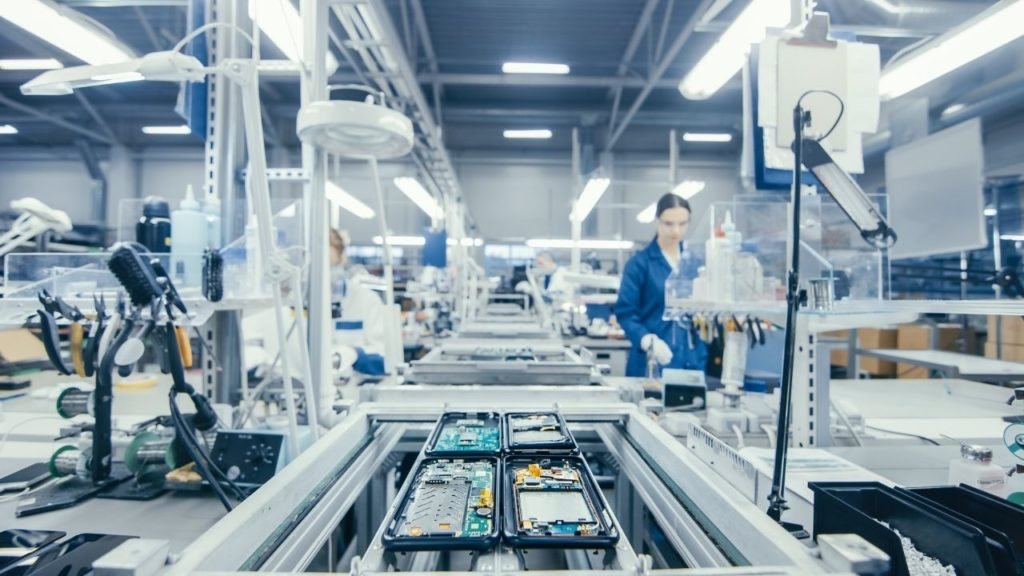
Challenges and Considerations for Smart Factory Adoption
While the advantages are compelling, manufacturers must also address several challenges when implementing these technologies:
- Data Security: Increased connectivity can expose factories to cyber threats. Robust security protocols and regular audits are essential.
- Integration Complexity: Connecting new IoT devices with legacy systems often requires custom solutions and careful planning.
- Data Management: The volume of information generated can be overwhelming. Effective data storage, processing, and analysis tools are critical.
- Change Management: Employees may need training and support to adapt to new technologies and workflows.
- Cost: Initial investments in hardware, software, and training can be significant, but long-term savings and productivity gains often justify the expense.
For a broader perspective on the current state and future trends of artificial intelligence in industry, the latest McKinsey report on AI adoption provides valuable insights and benchmarks.
Best Practices for Maximizing Value from Industrial IoT and AI
To fully realize the benefits of smart manufacturing, consider these best practices:
- Start Small, Scale Fast: Begin with pilot projects in high-impact areas, then expand successful solutions across the organization.
- Foster Collaboration: Encourage cross-functional teams to share data and insights, breaking down silos between IT, operations, and engineering.
- Focus on Interoperability: Choose open standards and modular systems to ensure flexibility and future-proofing.
- Prioritize Security: Implement strong cybersecurity measures from the outset to protect sensitive data and maintain trust.
- Measure and Refine: Use key performance indicators (KPIs) to track progress and guide continuous improvement.
Frequently Asked Questions
What is the difference between industrial IoT and traditional automation?
Traditional automation relies on pre-programmed machines to perform repetitive tasks. In contrast, industrial IoT connects machines, sensors, and systems to a network, enabling real-time data collection and analysis. When combined with AI, these systems can adapt, learn, and optimize processes beyond what conventional automation allows.
How does artificial intelligence enhance predictive maintenance?
AI analyzes data from sensors to identify patterns and anomalies that indicate potential equipment failures. This allows maintenance teams to address issues before they cause downtime, improving reliability and reducing costs.
What are the main barriers to adopting smart factory technologies?
The biggest challenges include integrating new and legacy systems, ensuring data security, managing the large volume of generated data, and training staff to use new tools effectively. Upfront costs can also be a concern, but the long-term benefits often outweigh initial investments.